Subterranean termites are among the most destructive pests found in the United States. They can cause significant damage to wooden structures and pose a threat to homes and buildings if not properly managed. This guide provides an overview of subterranean termites, signs of infestation, and effective pest control methods to protect your property.
Understanding Subterranean Termites
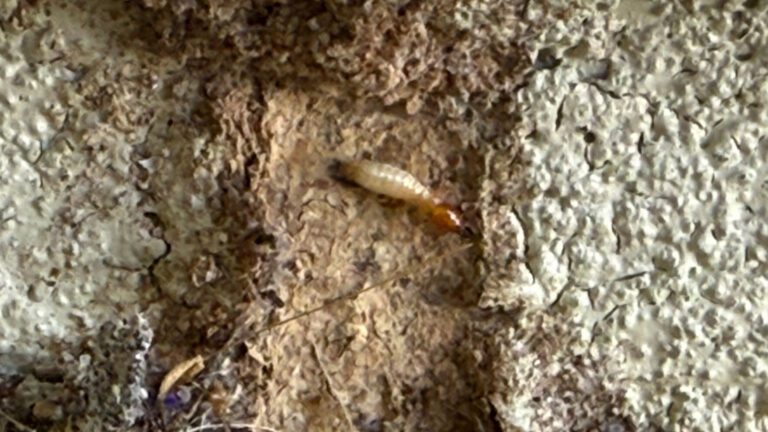
Subterranean termites live underground and build extensive networks of tunnels to reach food sources, primarily wood. They are social insects that live in colonies, which can contain thousands to millions of individuals, including workers, soldiers, and reproductive queens and kings.
Signs of Subterranean Termite Infestation
- Mud Tubes: Termites construct mud tubes to travel from their underground colonies to food sources. These tubes are often found on foundations, walls, or crawl spaces.
- Damaged Wood: Wood infested by termites may sound hollow when tapped, and may have blistered or darkened areas.
- Discarded Wings: Reproductive termites, called swarmers, shed their wings after mating. Piles of wings near windowsills or doors can indicate a nearby colony.
- Frass: Termite droppings, known as frass, may appear as small pellets or powder.
Prevention Strategies
- Eliminate Moisture: Termites are attracted to moisture. Repair leaking pipes, ensure proper drainage, and reduce humidity in crawl spaces and basements.
- Remove Wood-to-Ground Contact: Avoid placing wood directly on soil. Maintain a gap between soil and wooden structures, including decks, fences, and siding.
- Store Firewood Away from Home: Keep firewood, lumber, and other cellulose materials at least 20 feet away from the foundation.
- Seal Entry Points: Fill cracks and gaps in foundation walls and around utility lines to prevent termites from entering.
- Regular Inspections: Schedule annual professional inspections, especially in areas prone to termite activity.
Termite Control Methods
Liquid Termiticides:
Liquid treatments create a chemical barrier around the foundation, killing termites that try to cross it. Professional application is recommended for effective coverage.
Baiting Systems:
Bait stations containing slow-acting insecticides are placed around the perimeter. Termites feed on the bait and share it with the colony, leading to its elimination.
Foam and Dust Treatments:
Foam and dust formulations can be injected into wall voids or wood to target active infestations.
Physical Barriers:
During construction, installing physical barriers such as stainless steel mesh or sand can deter termite entry.
Aftercare and Monitoring
- Continue regular inspections to ensure termites have not returned.
- Maintain moisture control and repair any structural damage promptly.
- Keep landscaping and mulch away from the foundation.
Subterranean termites can cause extensive damage if left unchecked. Through a combination of prevention, regular inspections, and professional treatments, homeowners can protect their property and minimize the risk of termite infestation. If you suspect termites, contact a pest control expert promptly to assess the situation and recommend appropriate solutions.
Any content, resident submissions, guest columns, advertisements, and advertorials are not necessarily endorsed by or represent the views of Best Version Media LLC (BVM) or any municipality, homeowners associations, businesses, or organizations that this publication serves. BVM is not responsible for the reliability, suitability, or timeliness of any content submitted, inclusive of materials generated or composed through artificial intelligence (AI). All content submitted is done so at the sole discretion of the submitting party.