At The Learning Experience Academy of Education, we believe that play is far more than a way to pass the time—it’s a powerful tool for learning and growth. In the early years, children absorb information about the world around them not just through instruction, but through exploration, experimentation, and imagination. Play-based learning transforms curiosity into meaningful learning experiences, helping children develop critical skills that last a lifetime.
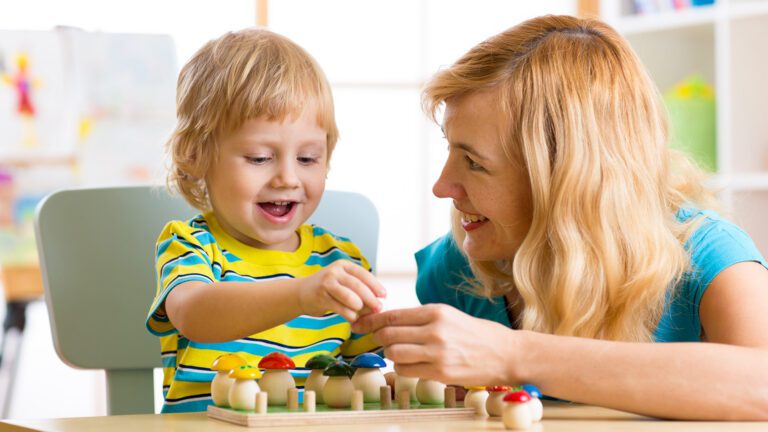
Play-based learning allows children to engage with concepts in ways that feel natural and enjoyable. At The Learning Experience Academy of Education, our proprietary L.E.A.P.® curriculum incorporates hands-on activities that teach problem-solving, creativity, and social-emotional skills. Whether building with blocks, experimenting with water and sand, or participating in imaginative role-play, children are actively learning while they play. This type of learning encourages children to think critically, make decisions, and understand cause and effect—all foundational skills for school readiness and beyond.
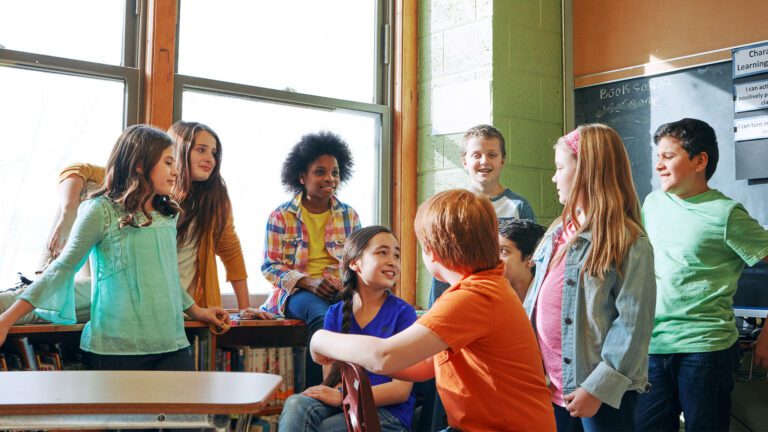
Social development is another major benefit of play-based learning. When children interact during cooperative games or group projects, they practice communication, empathy, and collaboration. They learn how to take turns, share ideas, and solve conflicts with peers. These social-emotional skills are just as important as cognitive development, setting the stage for healthy relationships both inside and outside the classroom.
Play also fosters creativity and self-expression. At The Learning Experience Academy of Education, learning centers encourage children to explore art, music, dramatic play, and storytelling. These activities allow children to express their thoughts, emotions, and ideas in safe and imaginative ways. Creative play nurtures confidence, resilience, and a sense of curiosity, helping children approach challenges with a positive mindset.
Another important aspect is that play-based learning adapts to each child’s developmental stage. Teachers observe children’s interests and abilities, then guide them toward experiences that challenge and inspire them without causing frustration. This individualized approach helps each child progress at their own pace, building a love of learning that is both enjoyable and sustainable.
Physical development is woven naturally into play as well. Activities that involve climbing, balancing, running, or manipulating small objects strengthen motor skills, coordination, and overall health. Combining movement with cognitive and social challenges ensures a holistic approach to early childhood education.
At The Learning Experience Academy of Education in Cosby Village, our focus on play-based learning prepares children for success in school and in life. By turning curiosity into action, encouraging exploration, and supporting social and emotional growth, we provide a foundation that fosters lifelong learning. When children play, they aren’t just having fun—they’re building the skills, confidence, and creativity that will guide them for years to come.
Play isn’t just an activity—it’s the first step in a child’s journey toward discovery, independence, and achievement. At The Learning Experience Academy of Education, we’re proud to make every day a playful, meaningful learning experience.
Any content, resident submissions, guest columns, advertisements, and advertorials are not necessarily endorsed by or represent the views of Best Version Media LLC (BVM) or any municipality, homeowners associations, businesses, or organizations that this publication serves. BVM is not responsible for the reliability, suitability, or timeliness of any content submitted, inclusive of materials generated or composed through artificial intelligence (AI). All content submitted is done so at the sole discretion of the submitting party.