Collagen is one of the primary building blocks of our skin. It’s what gives skin structure, strength, and that youthful, smooth appearance many of us strive to maintain. Unfortunately, collagen production naturally begins to slow in our 20s, and by the time we reach our 40s, collagen is breaking down faster than our bodies can replace it.
After menopause, women can lose up to 30% of their collagen within the first five years. Over time, this loss begins to show in the form of fine lines, wrinkles, decreased facial volume, thinning or crepey skin, sagging, and slower wound healing. When we look in the mirror, we may notice hollowing or darkness under the eyes, a more squared facial shape rather than the youthful heart shape we once had, the development of jowls, and a less defined jawline.
Patients often ask why signs of aging seem to become more noticeable once they reach their 30s. The main reason is that our bodies simply aren’t rebuilding collagen as quickly as it is being lost. Several factors contribute to this process. Previous UV exposure from the sun or tanning beds and hormonal changes are common causes. However, a lesser-known factor is a history of smoking, which reduces blood flow and can lead to earlier collagen breakdown. Diet also plays a role, especially one high in sugar, which can damage and stiffen collagen fibers, contributing to more visible signs of aging.
Another question we frequently hear is whether oral collagen supplements are effective for restoring collagen in the skin. While these supplements may offer some benefits, the reality is that most collagen consumed orally is broken down into amino acids during digestion rather than going directly to the skin. Collagen supplements can still support overall protein intake and aid in tissue repair. For this reason, they can be most beneficial when paired with treatments that stimulate collagen production and require healing.
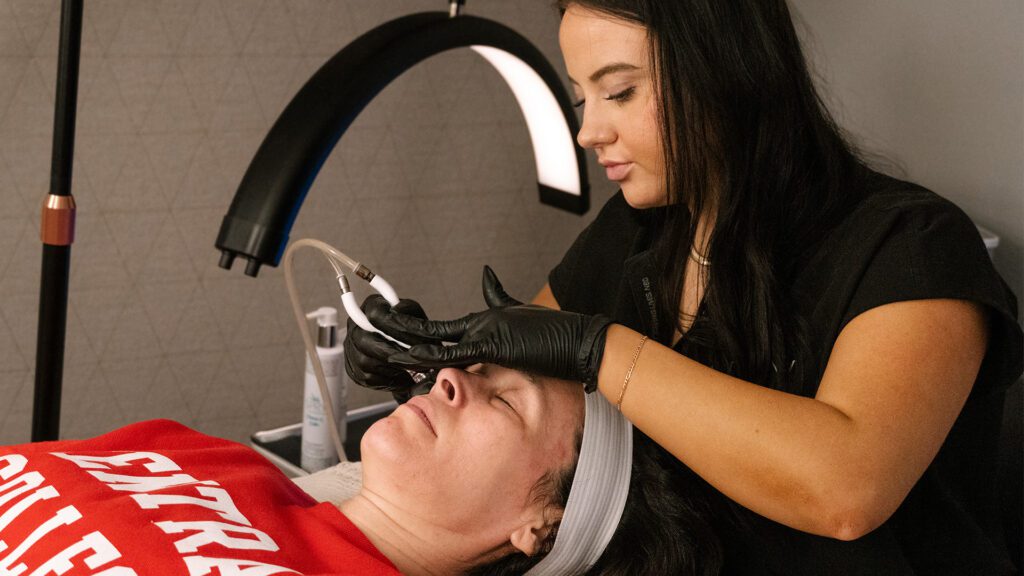
For those looking to improve skin quality and support long-term anti-aging results, consistent aesthetic treatments are often the most effective approach. Treatments such as microneedling, chemical peels, collagen-stimulating injectables like Sculptra®, and Exion® radiofrequency skin tightening are designed to encourage the body’s natural collagen production.
In addition to professional treatments, we strongly recommend incorporating medical-grade skincare products into your routine. Unlike many over-the-counter options, medical-grade products are formulated to penetrate the skin’s barrier and influence the new cells produced during the healing process after treatments.
At SPRY Skin & Wellness Center, we work with patients to develop personalized treatment plans that combine both products and services to support healthy, collagen-producing skin.
If you’re curious about your options, we invite you to join us for a fun and informative afternoon at our Healthy Skin Event on May 13, 2026, from 1–4 p.m. at SPRY Skin & Wellness Center, 1047 Thorndale Ave., Waterloo. Guests will enjoy drinks and light snacks while learning more about our services and skincare products through educational sessions.
Any content, resident submissions, guest columns, advertisements, and advertorials are not necessarily endorsed by or represent the views of Best Version Media LLC (BVM) or any municipality, homeowners associations, businesses, or organizations that this publication serves. BVM is not responsible for the reliability, suitability, or timeliness of any content submitted, inclusive of materials generated or composed through artificial intelligence (AI). All content submitted is done so at the sole discretion of the submitting party.