Dear Reader,
I would like to start by asking you a question:
What do you think of when you hear the word chiropractor?
I am sure that, for many of you, the phrase “bone cracker” comes to mind, or maybe “spine doctor.” What you may find interesting is that chiropractors go through an academic program that is at the same level as a medical doctor’s. Now, our specialization is quite different, and we do not spend as much time learning about pharmacology, nor do we learn how to perform surgery. Yet, our study of the sciences is essentially the same. We learn accurate diagnosis of pathological and biomechanical conditions that affect the human body, from pediatric to geriatric cases.
When you think of a chiropractor, I want you to reframe the profession in your mind as a multidisciplinary, holistic physician who primarily focuses on the function of the joints and the development of a sound human frame.
I would like to introduce a definition for you that is commonly used in chiropractic offices:
The subluxation complex is a motion segment dysfunction in which alignment, movement integrity, and/or physiological function are altered despite intact joint contact surfaces, resulting in biomechanical and neurological changes that may influence organ system function and general health.
The above is a composite definition from several sources to make it concise and more complete. To break it down further, the subluxation complex is a series of joints and tissues that are not working as they are supposed to, which leads to motion restrictions, muscle contractions, and pain from nerve irritation. These mechanical breakdowns, over time, lead to the development of osteoarthritis and chronic pain patterns that, if left untreated, may lead to disc degeneration and potentially organ dysfunction. Our goal is to correct joint dysfunction to help alleviate symptoms you are currently experiencing and help prevent the development of more severe chronic conditions.
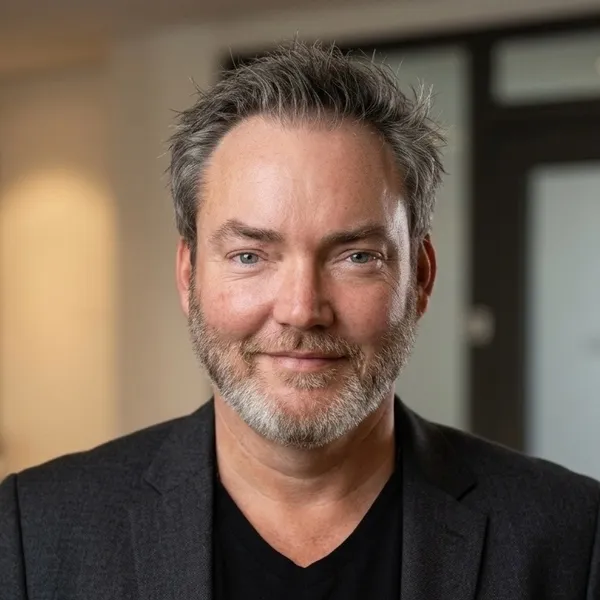
As the clinic director of 100% Chiropractic, I bring a wide range of experience and academic expertise. In addition to being a licensed chiropractor and licensed massage therapist, I have a master’s degree in nutrition and human performance and am certified in acupuncture, chiropractic nutrition, holistic nutrition, family herbalism, and iridology. I also have many hours of applied kinesiology training. I am passionate about learning and promise to continue bettering myself so that I can be the best provider for the community.
If there is one frustration I have as a provider, it is that our profession has done a terrible job of informing the public about what a chiropractor is, what we do, and how qualified we are to address public health concerns. So, I am going to do my best to be a resource for you. I hope that you learn something with each article that guides you toward a better understanding of chiropractic and begin viewing us as a viable alternative to traditional primary care. To be clear, chiropractors do not replace your medical provider; however, we are qualified to be part of your healthcare team. Our goal is to help you reach your health goals through holistic medicine and manual therapy.
Any content, resident submissions, guest columns, advertisements, and advertorials are not necessarily endorsed by or represent the views of Best Version Media LLC (BVM) or any municipality, homeowners associations, businesses, or organizations that this publication serves. BVM is not responsible for the reliability, suitability, or timeliness of any content submitted, inclusive of materials generated or composed through artificial intelligence (AI). All content submitted is done so at the sole discretion of the submitting party.