May is Lyme Disease Awareness Month, a time dedicated to increasing understanding of Lyme disease and promoting prevention. As warmer weather draws people outdoors for hiking, gardening, and family activities, the risk of tick exposure rises across many regions. This month serves as an important reminder to learn how Lyme disease is transmitted, recognize early symptoms such as fever, fatigue, and the characteristic bull’s-eye rash, and take simple protective steps like using repellent and performing tick checks. By raising awareness and encouraging early detection and treatment, we can help reduce the impact of Lyme disease and protect the health of our communities.
As the owner of Guardian Mosquito, Tick & Turf Control, I have seen firsthand how deeply Lyme disease and other tick-borne illnesses can affect families in our community. I personally know friends, neighbors, and clients whose lives have been disrupted by the long and often frustrating journey of diagnosis and recovery. Those experiences have strengthened my commitment not just to running a business, but to being part of the solution. Through education, proactive tick control treatments, and community outreach, I am dedicated to helping prevent the spread of Lyme disease and giving families greater peace of mind in their own backyards. For me, it’s more than pest control—it’s about protecting the people and places I care about.
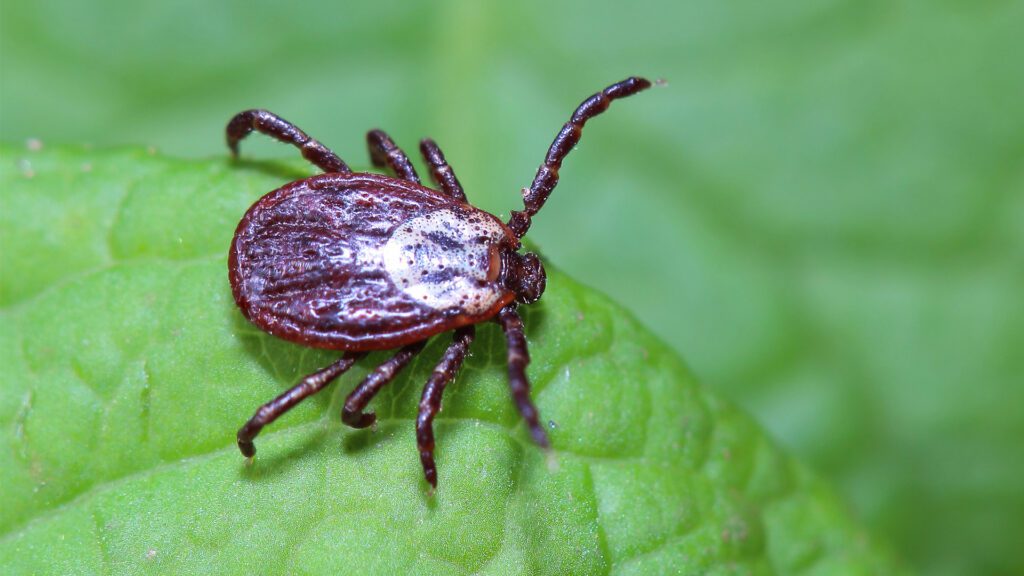
Proper tick identification and removal are essential steps in reducing risk. Not all ticks carry the same diseases, so identifying the species—such as distinguishing a deer tick from other common varieties—can help determine next steps. If you find a tick attached to the skin, use fine-tipped tweezers to grasp it as close to the skin’s surface as possible and pull upward with steady, even pressure. Avoid twisting, crushing, or using home remedies like heat or petroleum jelly, as these methods can increase the chance of infection. After removal, clean the area thoroughly with soap and water or rubbing alcohol, and monitor for symptoms such as rash or fever. Pennsylvania residents can send ticks to PA Tick Labs for identification and testing. Acting quickly and correctly can significantly lower the risk of disease transmission.
Prevention is key when it comes to protecting your family from ticks. Wearing long sleeves and pants helps shield your skin from bites, especially in wooded or grassy areas. Use EPA-approved repellents on exposed skin and consider treating clothing with permethrin for added protection. After spending time outdoors, perform thorough tick checks on yourself, children, and pets.
At home, keep your yard clean and well-maintained by mowing regularly, removing leaf litter, and creating a clear barrier between wooded areas and lawn spaces. Don’t forget the family dog—talk to your veterinarian about appropriate tick prevention products and check pets thoroughly after they’ve been outdoors.
A few simple precautions can go a long way in reducing your risk and keeping the outdoors enjoyable and safe. If you have areas of concern in your yard, Guardian Mosquito, Tick & Turf Control is happy to evaluate your space and help you create a safer environment for your family.
Any content, resident submissions, guest columns, advertisements, and advertorials are not necessarily endorsed by or represent the views of Best Version Media LLC (BVM) or any municipality, homeowners associations, businesses, or organizations that this publication serves. BVM is not responsible for the reliability, suitability, or timeliness of any content submitted, inclusive of materials generated or composed through artificial intelligence (AI). All content submitted is done so at the sole discretion of the submitting party.