Fiberglass swimming pools are known for their durability, low maintenance and smooth surfaces, but one of their most important features is the interior finish. The finish is not simply cosmetic; it is a critical structural and protective layer that influences appearance, longevity, water chemistry stability and user comfort.
A fiberglass pool shell is constructed in layers. Beneath the visible surface is a composite structure of fiberglass reinforcement and resin that provides strength and flexibility. The interior finish, commonly called a gelcoat, is the final outer layer applied during manufacturing. This gelcoat is a specialized marine-grade coating engineered to resist water absorption, ultraviolet degradation, staining and chemical exposure. Unlike plaster finishes in concrete pools, fiberglass gelcoat is non-porous. This smooth, sealed surface reduces algae adhesion and minimizes the need for aggressive chemical treatments.
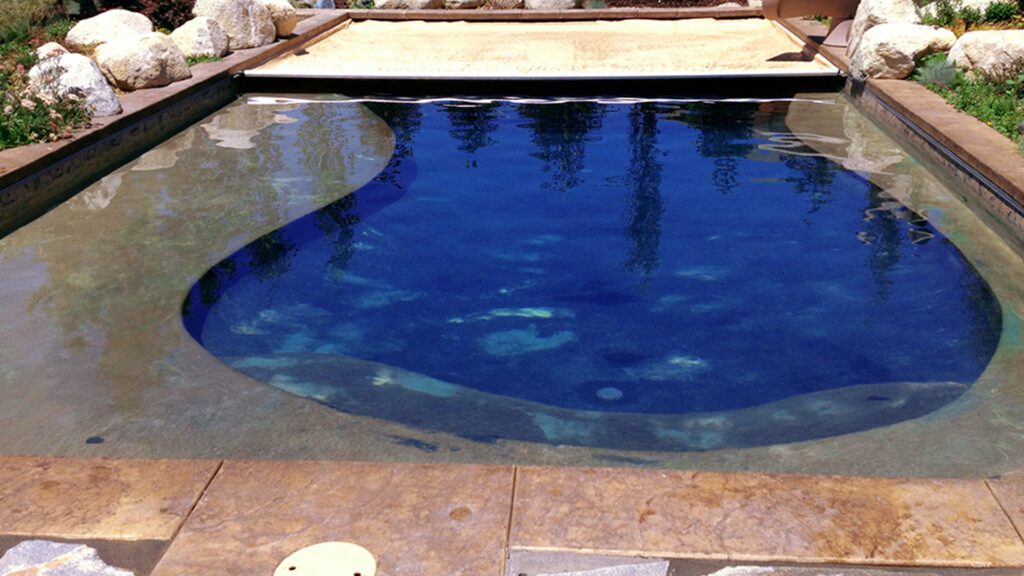
Modern fiberglass finishes are available in a wide range of colors and visual effects. Early fiberglass pools were limited to basic white or light blue finishes, but advancements in manufacturing have introduced multi-dimensional finishes with metallic flecks, quartz-like shimmer and layered pigments that change appearance with light and water depth. These finishes create a reflective effect that enhances the pool’s color, often producing deep blues, teals or lagoon-style hues that vary throughout the day. The water acts as a lens, amplifying the finish beneath it.
Beyond appearance, the finish contributes directly to maintenance efficiency. Because fiberglass surfaces are smooth and non-abrasive, they are gentle on skin and swimsuits. The non-porous nature means fewer microscopic cavities where algae and bacteria can anchor. This reduces brushing frequency and chemical demand compared to rougher surfaces like plaster. Many pool owners notice improved water clarity and lower long-term maintenance costs as a result.
Durability is another key advantage. High-quality fiberglass finishes are engineered to withstand temperature swings, freeze-thaw cycles and ground movement without cracking. When properly manufactured and installed, the finish can maintain its gloss and color for decades. Fading is minimal when UV-stable pigments are used, and modern gelcoats are formulated to resist chalking or surface breakdown. However, finish longevity still depends on balanced water chemistry. Prolonged exposure to improper pH or sanitizer levels can dull any pool surface over time.
Some manufacturers now offer enhanced surface technologies, including proprietary gelcoat systems and composite enhancements that reduce maintenance and extend color/gloss life as well as increase stain resistance and gloss retention. These advanced finishes aim to further reduce maintenance while extending the aesthetic lifespan of the pool interior.
In practical terms, selecting a fiberglass finish is a balance of style and function. Darker finishes create dramatic water color but may show debris more easily, while lighter finishes reflect sunlight and keep water temperatures slightly cooler. Regardless of color choice, a well-engineered fiberglass finish provides a smooth, resilient and visually striking surface that is central to the appeal of fiberglass pools.
For homeowners seeking a long-lasting, low-maintenance pool interior with modern design flexibility, fiberglass finishes represent one of the most advanced surface technologies available in residential swimming pool construction.
Any content, resident submissions, guest columns, advertisements, and advertorials are not necessarily endorsed by or represent the views of Best Version Media LLC (BVM) or any municipality, homeowners associations, businesses, or organizations that this publication serves. BVM is not responsible for the reliability, suitability, or timeliness of any content submitted, inclusive of materials generated or composed through artificial intelligence (AI). All content submitted is done so at the sole discretion of the submitting party.