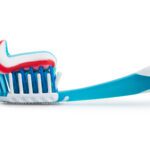
When you finally emerge from a bout of the flu or a nasty cold, your first instinct might be to deep-clean your entire house. You wash your sheets, disinfect the doorknobs, and—if you’re like many people—stare suspiciously at your toothbrush.
It is natural to wonder if that plastic wand of bristles has become a germ stick just waiting to reinfect you. According to the American Dental Association (ADA), the answer is not a simple yes or no, but rather a common-sense approach to personal hygiene.
The Mystery of Re-Infection
The biggest concern for most people is whether using the same toothbrush will bring the illness right back into their system. Interestingly, the risk of self-reinfection is actually quite low because of how your immune system works.
When you get sick, your body creates specific antibodies to fight off that particular strain of virus or bacteria. By the time you have recovered, those antibodies are still on guard. This means that even if a few lingering flu germs are hanging out on your bristles, your body is already primed to keep them from making you sick again.
Why a Fresh Start Is Still Smart
Even though you might not reinfect yourself, there are still several very good reasons to consider a fresh start. Protecting others in your household is a primary concern, especially if you store your toothbrush in a shared holder. Bacteria and viruses can migrate between brushes that touch, potentially spreading your illness to your family through cross-contamination.
Furthermore, while viruses like the common cold do not usually pose a reinfection risk, certain bacteria are more resilient. Many dentists recommend replacing your toothbrush immediately after you finish a course of antibiotics for strep throat to ensure those stubborn bacteria are gone for good.
Sometimes, the simple psychological benefit of a clean break from an illness is worth the small cost of a new brush. It can help you feel refreshed and move past the period of being unwell.
The ADA Rules for a Healthy Brush
The American Dental Association does not strictly mandate a new brush after every minor sniffle, but they do emphasize proper maintenance to keep your mouth healthy year-round. Regardless of illness, the ADA recommends replacing your toothbrush every three to four months as a general rule.
If the bristles look frayed, matted, or begin to fan out before that time, you should replace it sooner. Worn bristles are significantly less effective at removing plaque and keeping your gums healthy.
It is also vital to let your brush air dry completely between uses rather than storing it in a closed container. Moist, dark environments are a playground for bacteria, so keeping it upright and in the open air is much safer.
The Final Verdict
Ultimately, if you have just recovered from a standard cold, you do not necessarily have to toss your brush, but it remains a great precautionary measure if you live with others.
If you have survived a bacterial infection like strep or if your brush is already approaching that three-month mark, go ahead and treat yourself to a new one. Your smile and your immune system will both be better off for it.
Article compiled from the American Dental Association
Any content, resident submissions, guest columns, advertisements, and advertorials are not necessarily endorsed by or represent the views of Best Version Media LLC (BVM) or any municipality, homeowners associations, businesses, or organizations that this publication serves. BVM is not responsible for the reliability, suitability, or timeliness of any content submitted, inclusive of materials generated or composed through artificial intelligence (AI). All content submitted is done so at the sole discretion of the submitting party.