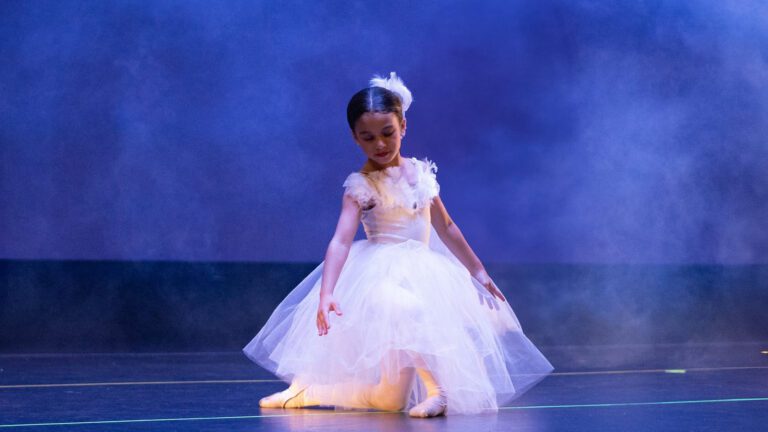
Starting a new activity always comes with a mix of excitement and uncertainty, and enrolling your child in their first dance season is no different. You may be wondering what to buy, what the classroom looks like from the inside, and whether your child will love it or want to quit after three weeks. These are completely normal questions, and the good news is that the first season of dance is almost always more joyful and manageable than parents expect. Here is what you should know going in.
Getting Dressed for Class
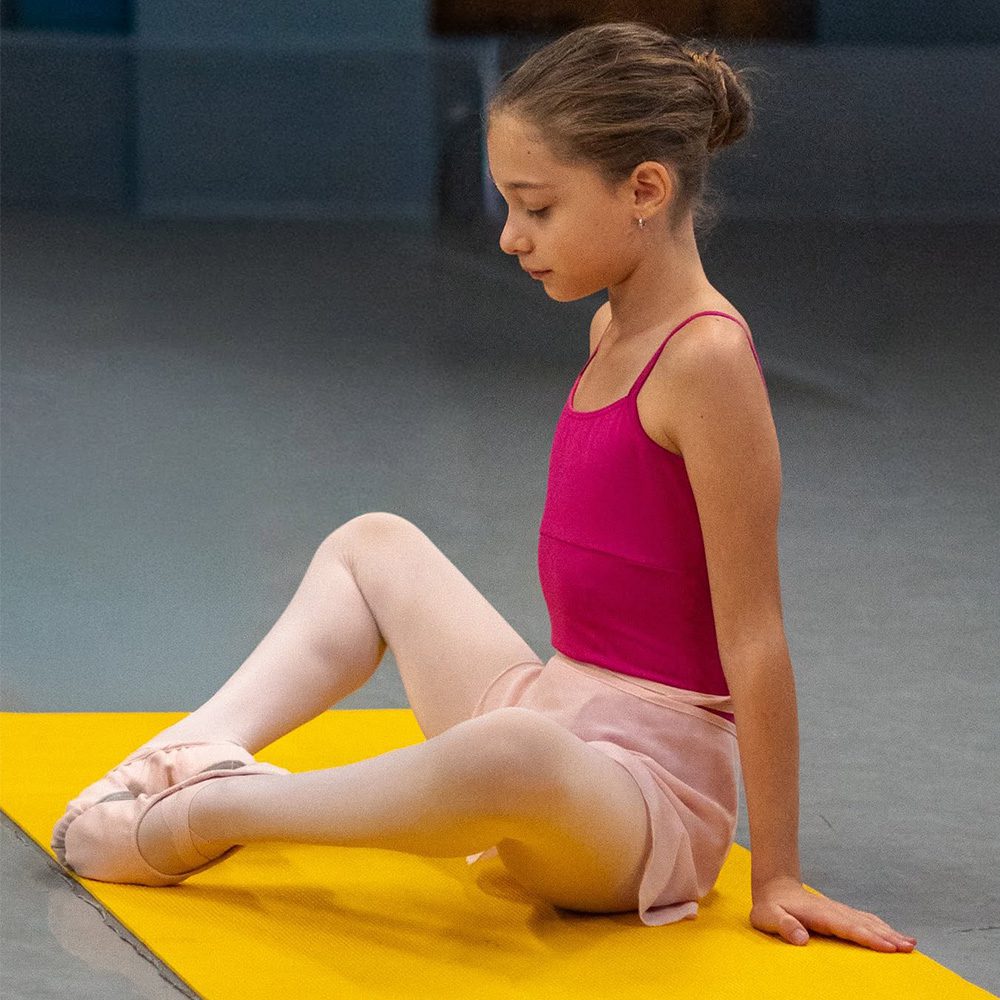
Proper attire is more than a dress code. Dance clothing is designed to allow a full range of motion, let instructors observe body alignment, and minimize distractions during class. For most beginning students, this means form-fitting shorts or leggings, a fitted top or leotard, and the appropriate footwear for their style. Ballet typically requires ballet slippers. Tap classes need tap shoes. Jazz and musical theater often use jazz sneakers or slip-ons.
One word of advice for brand-new families: resist the urge to invest heavily in the first few months. Start with the basics your studio requires. Most children find their footing and grow to love it, but if you are not certain yet, a modest starter wardrobe is perfectly appropriate. You can always build from there.

Classroom Etiquette for Students and Parents
If your child’s studio asks parents to wait in a lobby or reception area rather than watching from inside the room, trust the reasoning. Children, especially young ones, perform very differently when a parent is visible. They call out, seek approval, or become distracted in ways that make it harder for them to focus and actually learn. The studio is their space. Most children settle in beautifully once they understand that pickup is right after class.
As for the children themselves: arriving a few minutes early, listening when the instructor speaks, and treating the space with care are the three essentials.
Practicing at Home
At beginning levels, formal at-home practice is not necessary or expected. What you will likely notice instead is your child spontaneously dancing in the kitchen, playing music and asking you to watch, or showing you a step they learned. That is practice. That is exactly what it should look like at this stage.
If they want to share what they learned, let them show you and celebrate it, even if the “leap” looks more like a hop. Avoid drilling or correcting at home unless an instructor has specifically asked you to reinforce something. The goal right now is joy, confidence, and a love of moving.
The First Performance
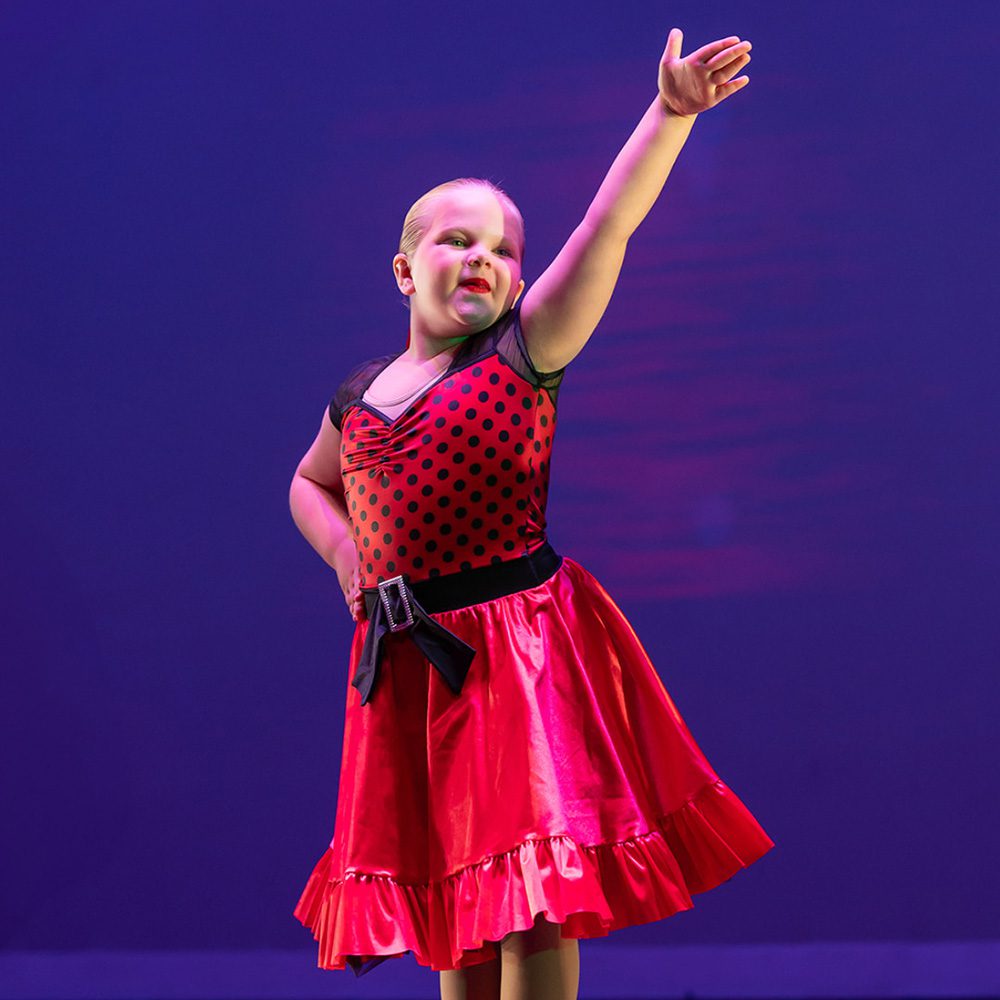
Most studios hold a showcase or recital at some point during the year, and it will likely be one of the more memorable experiences of your child’s life. For both of you. Expect nerves in the weeks leading up to it. Expect your child to say they do not want to do it. This is completely normal. Nerves before performing are not a sign that something is wrong. They are a sign that something matters.
When they step out under those lights and find you in the audience, something shifts. Parents consistently describe watching their child perform for the first time as one of those quietly extraordinary moments.
A Word on the Whole First Year
The first season of anything new has a learning curve, for children and for families alike. There will be weeks when your child is tired, or bored, or swears that dance is not for them anymore. There will also be weeks when they practically skip through the door.
Stay the course. Focus on whether they are generally happy, growing, and connected to their instructor and peers. Perfection is not the goal. Progress, confidence, and a sense of belonging are what you are really after. That is what the performing arts give children, and it tends to show up in every other part of their lives too.
Robin Snyder-Wiencek is the founder and director of EMC Performing Arts Studio in New Freedom, PA, which has served the greater Baltimore City and Southern York communities since 1992. She is a regular contributor to Southern York Living on topics related to arts education and child development.
Any content, resident submissions, guest columns, advertisements, and advertorials are not necessarily endorsed by or represent the views of Best Version Media LLC (BVM) or any municipality, homeowners associations, businesses, or organizations that this publication serves. BVM is not responsible for the reliability, suitability, or timeliness of any content submitted, inclusive of materials generated or composed through artificial intelligence (AI). All content submitted is done so at the sole discretion of the submitting party.