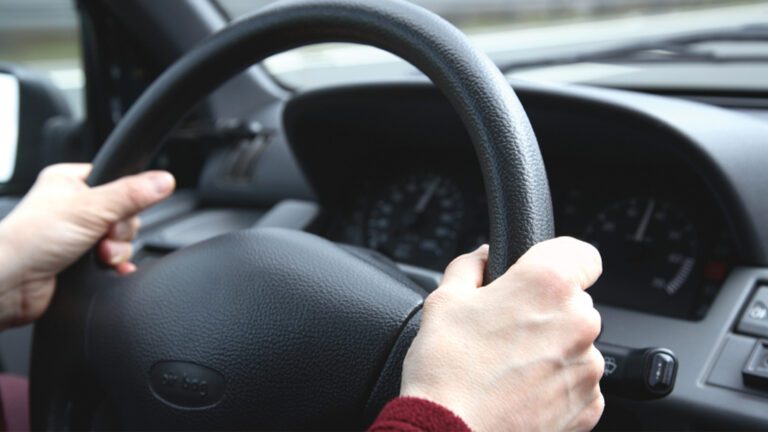
For most teenagers, summer means freedom. For families here in Halls, it’s a helpful reminder to stay aware and make sure teen drivers are prepared for a safe summer. For safety experts, however, it marks the beginning of one of the most dangerous times of the year on the road. The “100 Deadliest Days” is a safety campaign and statistical period identified by AAA and other traffic safety organizations. It refers to the time between Memorial Day and Labor Day, when fatal crashes involving teen drivers increase significantly.
Why Is This Period So Dangerous?
During the summer, school is out, and teenagers spend more time on the road; often driving unsupervised and with friends. Key risk factors include distractions, speeding, inexperience, and the lack of seatbelt use. Distractions were a factor in nearly 60% of teen crashes largely due to passengers or mobile devices. Most teens don’t realize that taking your eyes off the road –even for 2 seconds– can double your chances of crashing. Speeding was another factor in approximately 30% of fatal teen crashes.
Teens often don’t see the importance of reducing their speed for current conditions and can find themselves with little to no response time when avoiding a collision.
While being distracted and speeding are major factors, a teen driver’s inexperience is often the core issue. Teen drivers (ages 16–19) are nearly three times more likely to be involved in a fatal crash than drivers aged 20 and older. During the summer, teens log more unsupervised miles on unfamiliar roads—often heading to lakes, parks, or parties—where they encounter hazards they haven’t yet learned to navigate, such as high-speed rural roads or heavy holiday traffic. Another significant contributor is the lack of seat-belt use. Roughly 60% of teen drivers killed in summer crashes were not wearing a seatbelt. There are many excuses for not wearing a seatbelt, but study after study has shown that wearing a seatbelt is more likely to save a life than take one.
Safety tips for Parents and Teens
To combat these risks, the most effective tool recommended by safety experts is a Parent-Teen Driving Agreement that sets clear rules regarding curfews, passenger limits, and phone use. This document should clearly outline rules for the summer months, including passenger limits. It has been identified in several studies that the addition of teen passengers in a car can significantly increase the risks of potential crashes.
Nighttime driving. Most fatal teen crashes happen between 9 p.m. and midnight. Setting an earlier summer driving curfew can save lives.
The “Phone-Free” Rule encourages your teen to use smartphone-blocking technology or “Do Not Disturb” modes to eliminate digital distractions.
Some additional tips for parents include supervised practice. Even after a teen is licensed, continue to supervise their driving in varied unfamiliar conditions to help build experience.
For the vehicle, conduct a monthly maintenance check to ensure proper tire inflation and tire tread wear is above the minimum recommended 4/32’s depth. Checking all fluid levels are at acceptable levels and brakes are in good working order.
Have an emergency kit in the trunk with water, first aid kit, jumper cables, and a flashlight.
Finally, lead by example; parents should model safe behaviors like buckling up and obeying speed limits to ensure your household is prepared for the “100 Deadliest Days.” A little awareness and preparation can go a long way in helping your teen stay safe and confident on the road this summer.
Any content, resident submissions, guest columns, advertisements, and advertorials are not necessarily endorsed by or represent the views of Best Version Media LLC (BVM) or any municipality, homeowners associations, businesses, or organizations that this publication serves. BVM is not responsible for the reliability, suitability, or timeliness of any content submitted, inclusive of materials generated or composed through artificial intelligence (AI). All content submitted is done so at the sole discretion of the submitting party.