GLP-1 medications like Ozempic and Wegovy have changed the conversation around weight loss in a way that nothing has in decades. People who struggled for years are seeing real results. That’s worth acknowledging and worth celebrating.
But there’s something people may not be hearing from their doctors, their pharmacists, or their social media feeds. Something that can quietly undermine the very results they’re working so hard to achieve.
When you lose weight rapidly, you don’t only lose fat. You lose muscle, too. The hidden cost of fast weight loss.
This isn’t specific to GLP-1 drugs. Any time you eat significantly less than your body needs, muscle loss happens alongside fat loss. This is called a calorie deficit, necessary to lose fat. But when the deficit is extreme, the body, faced with a sudden and rapidly shrinking fuel supply, begins breaking down muscle tissue for energy.
The faster the weight loss, the more pronounced this effect tends to be. GLP-1 medications work partly by significantly reducing appetite, which can accelerate weight loss quickly enough that muscle loss becomes a genuine concern. For someone who starts out with limited muscle, this can be a serious problem.
Why muscle matters more than most people realize
Most of us think of muscle in terms of appearance: definition, tone, and strength. But muscle does something far more important. It’s the engine of your metabolism.
Muscle tissue burns calories at rest. The more of it you have, the more energy your body uses just to keep you going through an ordinary day. Lose a significant amount of muscle and your metabolism slows, sometimes dramatically. That makes maintaining weight loss harder and regaining weight easier, once the medication ends or the dose changes.
There’s more. Muscle protects your joints, supports your posture, and keeps you stable on your feet. It’s what lets you carry groceries, climb stairs, play with your grandchildren, and live independently as you age. Weakness and frailty aren’t inevitable parts of getting older. They’re largely the result of losing muscle over time and not replacing it. This is what’s at stake when muscle loss goes unaddressed: slow metabolism, weakness, and eventually frailty.
The role of resistance training
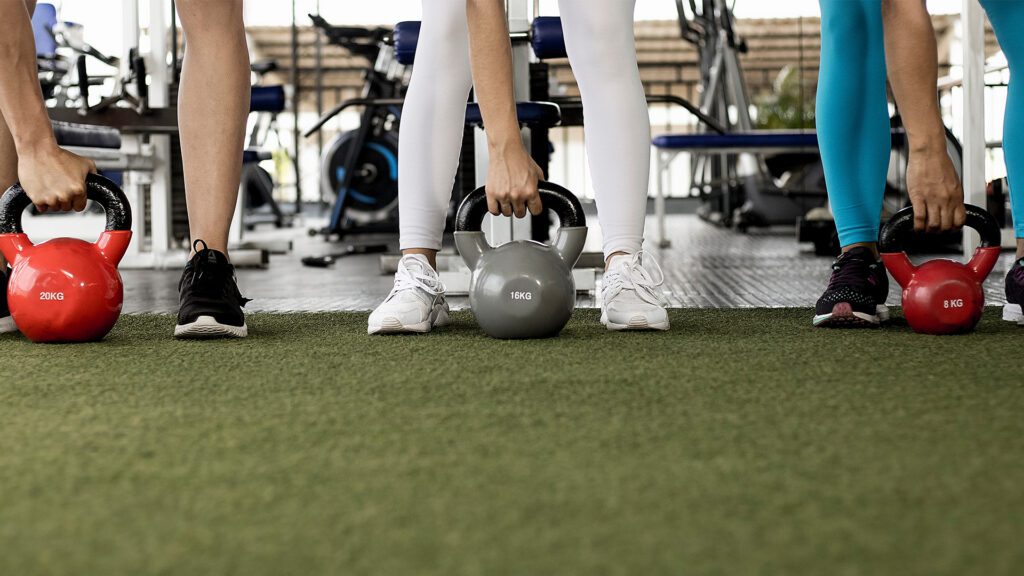
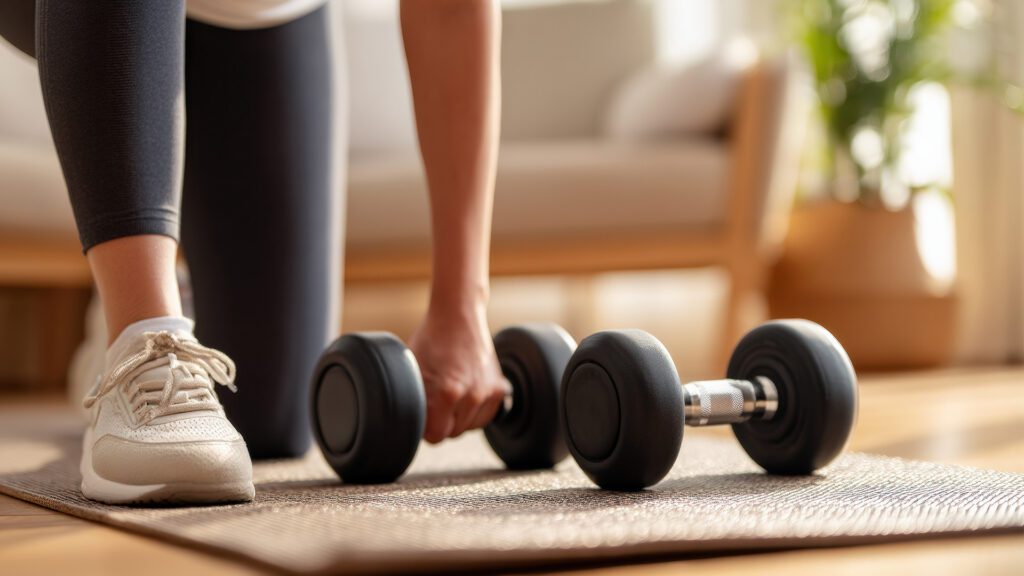
People taking GLP-1 medications who combine them with regular resistance training preserve significantly more muscle than those who don’t. In some cases, they actually build muscle while losing fat. The scale goes down, and what’s underneath improves at the same time: the muscle-to-fat ratio that determines how strong, healthy, and functional you feel every day.
Resistance training sends a direct signal to your body to hold onto muscle even when you’re eating less. It is the most effective tool we have for protecting muscle during weight loss.
The medication handles appetite and fat loss. The training protects and builds the muscle that makes that fat loss sustainable, healthy, and lasting.
If you or someone you know is taking a GLP-1 medication, the decision deserves respect. These drugs are genuinely helping people. But the results are best protected and best sustained when resistance training is part of the picture.
Losing weight is one goal. Losing weight while getting stronger, faster, and more capable? That’s transformation. And that’s what happens when the two work together.
Any content, resident submissions, guest columns, advertisements, and advertorials are not necessarily endorsed by or represent the views of Best Version Media LLC (BVM) or any municipality, homeowners associations, businesses, or organizations that this publication serves. BVM is not responsible for the reliability, suitability, or timeliness of any content submitted, inclusive of materials generated or composed through artificial intelligence (AI). All content submitted is done so at the sole discretion of the submitting party.