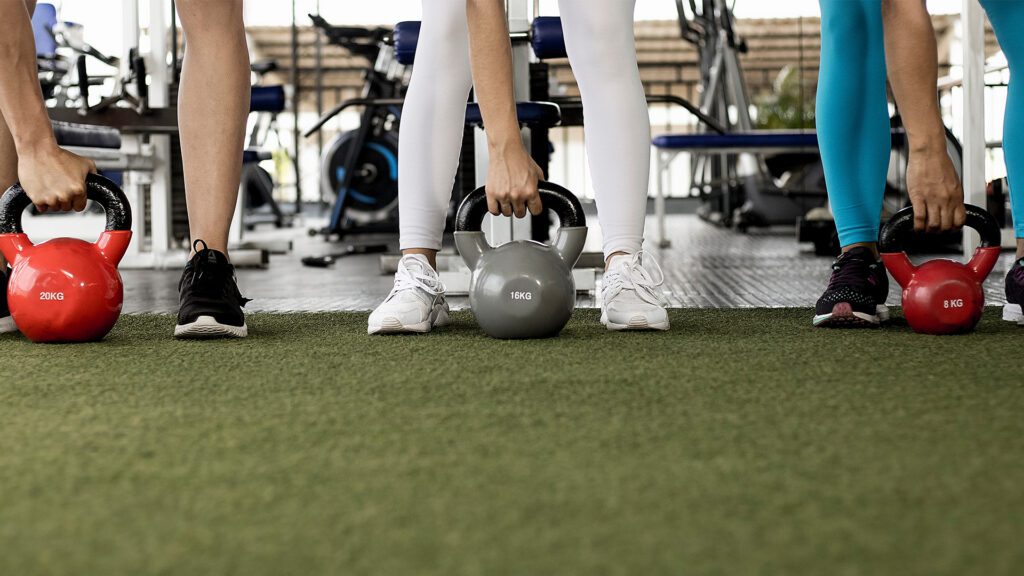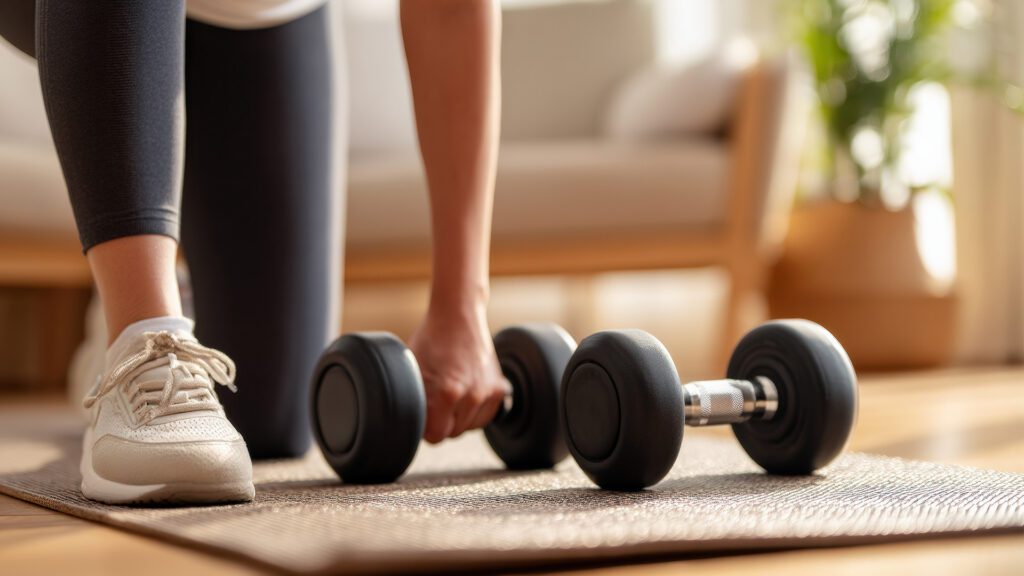
Could the best thing you do for your brain this year be picking up a dumbbell?
A post made the rounds on social media recently, which got people talking. It claimed that lifting weights is basically a prescription drug for your brain and that it could protect your memory and even help prevent Alzheimer’s. We hear a lot of big claims in the fitness world, especially with attention seekers, so we looked into it. Turns out, there’s more truth to it than you might expect.
Your body is smarter than you think
Most people hit the gym to look or feel better. Maybe lose a few pounds, keep the back pain away, and stay mobile as we get older. All great goals that can be achieved with lifting. But something else is happening when you lift weights that most people never hear about.
When you work your muscles hard, your body releases a protein that travels through your bloodstream and ends up in your brain. Once it gets there, it helps grow new brain cells, keeps existing ones healthy, and strengthens the connections between them. Your muscles and your brain are in constant conversation, and exercise is one of the things that gets them talking.
Research has found that people who strength train regularly show real, measurable changes in the part of the brain responsible for memory. That same area is the first one Alzheimer’s tends to affect. The science is still evolving, but the pattern keeps showing up: stronger body, sharper mind.
Lifting is only part of the story
Nobody is saying that picking up a dumbbell three times a week is a cure for Alzheimer’s. It isn’t. Alzheimer’s is complicated, and things like genetics and age play a big role. No gym membership is going to change that entirely.
What the research does suggest is that people who stay physically active tend to stay mentally sharper as they age. And strength training, it turns out, is one of the better ways to get there. So is walking, swimming, or biking. You don’t have to choose one over the other.
What this means for you
You don’t need to become a powerlifter. Two or three days a week of resistance training is what most of the studies show. Free weights, machines, resistance bands, or even squats and push-ups at home all count.
One study followed a group of older adults through a resistance training program and found that the brain benefits were still measurable years after the program ended. That’s a pretty good return on investment that anyone would be foolish to pass up.
The takeaway
That social media post wasn’t wrong; it just didn’t tell the whole story. Lifting weights won’t guarantee you a sharp mind forever. But the evidence is clear enough that it’s worth taking seriously. Your brain is counting on your body to keep moving. Give it something to work with.
At Active Life Fitness in Garwood, we work with people at every level, including many who walk through the door having never lifted a weight in their lives. Some of them are in their 60s and 70s. Within a few months, they’re stronger, moving better, and telling us they feel more like themselves again. That never gets old for us.
If you’ve wanted to start a lifting program but didn’t know where to start or have been just plain scared, come in and talk to us. We’ll figure out together where to begin.
*See our offer in this month’s Cranford Neighbors Magazine or call 908-389-8009 to learn more.
Sources: International Journal of Molecular Sciences (2024); Ageing Research Reviews (2024). This article is for informational purposes only and is not a substitute for medical advice. Talk to your doctor before starting any new exercise program.
Any content, resident submissions, guest columns, advertisements, and advertorials are not necessarily endorsed by or represent the views of Best Version Media LLC (BVM) or any municipality, homeowners associations, businesses, or organizations that this publication serves. BVM is not responsible for the reliability, suitability, or timeliness of any content submitted, inclusive of materials generated or composed through artificial intelligence (AI). All content submitted is done so at the sole discretion of the submitting party.