Children’s natural curiosity and love for play make the kitchen a perfect space for learning. In our previous article, we explored how play kitchens spark creativity, build social skills, and introduce early math and life concepts. Food is a universal language, incorporating it into play allows children to connect with different cultures, strengthen problem-solving skills, and develop a deeper appreciation for the culinary world. Now, let’s bring those ideas to life with simple, engaging activities that support young children in becoming confident Tiny Chefs.
Recipe Creation Station
Encourage children to create their own recipes using simple templates or blank paper. Encourage them to write or draw ingredients, give their dish a name, and describe how it’s made. This activity fosters creativity and early literacy while helping children understand how food comes together. Displaying their recipes in a cookbook or having them present their dish to family and friends adds a sense of pride and ownership.
Order Up!
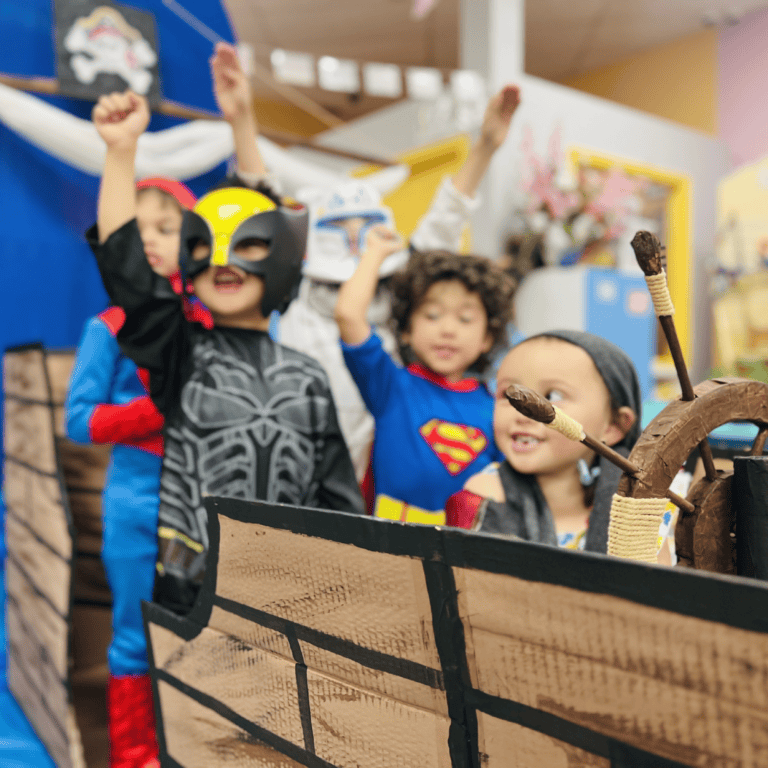
Transform your play kitchen into a restaurant where children take on roles such as chef, server, or customer. Through this activity, children practice communication, patience, and active listening while building teamwork, and empathy. Taking orders, preparing pretend meals, and serving others helps them understand social interactions in a fun and meaningful way. Add a menu board or set up a simple grocery station where children can shop for ingredients before cooking!
The Measuring Challenge
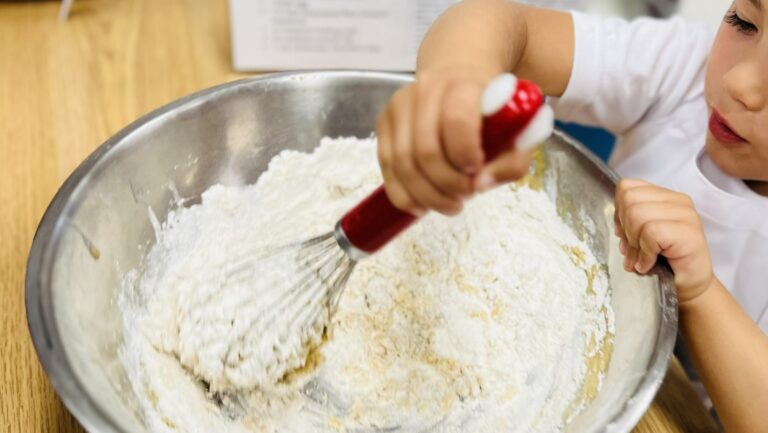
Provide measuring cups and spoons during play or simple food prep, encouraging children to measure ingredients. Ask questions like, “How many scoops do we need?” to support counting and comparison. This hands-on activity builds early math skills and helps children understand quantity and volume in a natural, engaging way.
Cooking Experience (Hand-On Fun!)
Bring learning into the real world by involving children in simple, no-cook food preparation. Tasks like washing fruits, assembling sandwiches, or making yogurt parfaits allow children to safely participate in the kitchen. Following step-by-step instructions helps build focus and sequencing skills, while completing a dish gives them a strong sense of accomplishment. With guidance, these small experiences lay the foundation for lifelong cooking confidence.
Around the World in a Kitchen
Explore different cuisines by choosing a country and preparing a simple dish together. As children help prepare, they can learn about ingredients, flavours, and traditions, building an appreciation for cultural diversity and fostering their knowledge of global diversity.
Sensory Exploration with Ingredients
Cooking is a full sensory experience, and even simple additions can make a big impact. Provide small jars of spices like cinnamon or dried herbs for children to smell and explore. Talking about scents and textures helps expand vocabulary while strengthening sensory awareness.
By combining imaginative play with rich real-world experiences, these activities help children build confidence, creativity, and practical skills. Whether they are inventing recipes, role-playing in a restaurant, or prepare a snack, exploring cultural cuisines, each moment in the kitchen becomes an opportunity to learn and grow. With a little guidance, today’s playful moments can inspire a lifelong love of cooking.
Any content, resident submissions, guest columns, advertisements, and advertorials are not necessarily endorsed by or represent the views of Best Version Media LLC (BVM) or any municipality, homeowners associations, businesses, or organizations that this publication serves. BVM is not responsible for the reliability, suitability, or timeliness of any content submitted, inclusive of materials generated or composed through artificial intelligence (AI). All content submitted is done so at the sole discretion of the submitting party.