Part Two: How Tiny Blood Vessels Affect Your Heart, Brain, Memory, Mood, and Stress
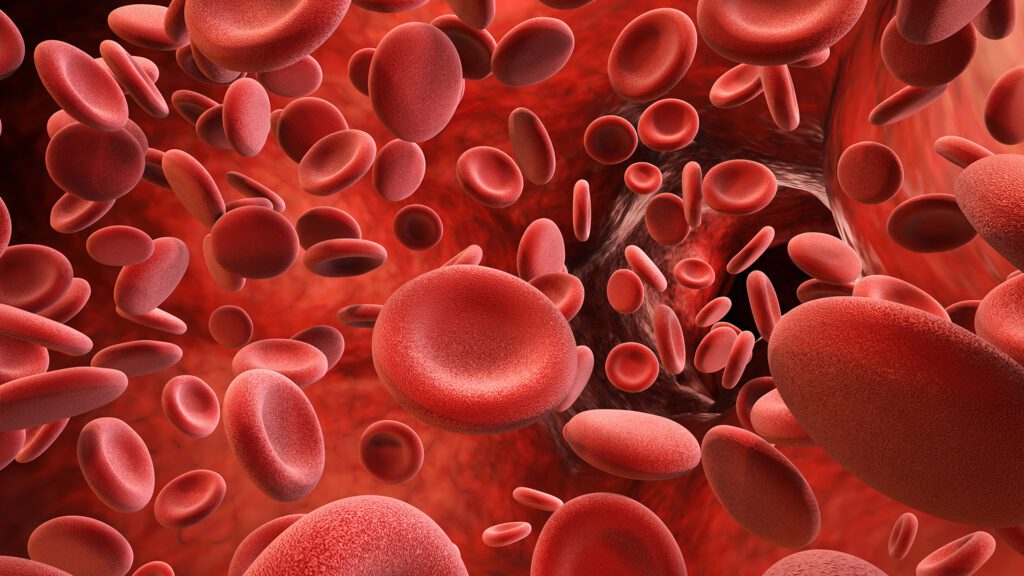
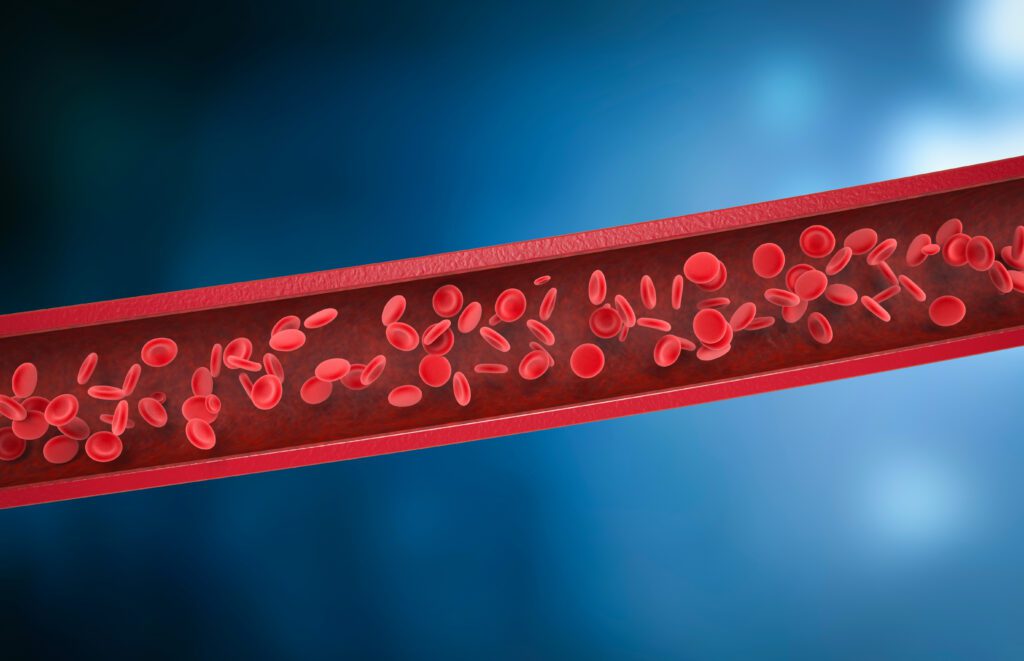
In Part One, we talked about microcirculation, the vast network of tiny blood vessels that carry oxygen and nutrients directly to your cells. If you’re just joining us, here’s the key idea: Most of your circulation happens in vessels too small to see on a standard heart scan. And those small vessels are where the real work gets done.
Now let’s take this a step further.
When these tiny vessels don’t open and relax the way they should, your cells don’t receive the oxygen they need. When that happens, tissues can feel starved for energy, even if the larger arteries look perfectly normal.
That helps explain something that has puzzled doctors for years: some people have chest discomfort or fatigue, yet their heart tests show “no blockage.” The highways are open, but the side streets are narrow.
And this doesn’t just affect the heart.
Research shows that problems in small blood vessels are linked to memory changes, mood disorders later in life, diabetes, and high blood pressure. Even the small vessels in the back of the eye can reflect what’s happening in the brain.
Why would tiny vessels influence so much?
It comes down to oxygen. Every organ relies on a steady supply, including your brain, your heart, your kidneys, and your muscles. When that delivery system slows down, performance declines.
Stress plays a large role here. When we live in constant “fight or flight,” the body tightens blood vessels. That response is helpful in emergencies, but it is not helpful when it becomes a lifestyle.
Over time, that tension affects the smallest vessels first.
Microcirculation also directs immune cells to areas of injury and helps regulate inflammation. In other words, it plays a role in how well you recover.
Here’s the encouraging part: small vessels respond beautifully to the right support.
When we improve blood flow at the microscopic level, we improve oxygen delivery at the cellular level. And when cells receive what they need, they function better.
In Part Three, I’ll outline five practical ways to strengthen this system, starting with what you eat, how you move, and how you manage stress, because sometimes the biggest improvements begin in the smallest places.
Any content, resident submissions, guest columns, advertisements, and advertorials are not necessarily endorsed by or represent the views of Best Version Media LLC (BVM) or any municipality, homeowners associations, businesses, or organizations that this publication serves. BVM is not responsible for the reliability, suitability, or timeliness of any content submitted, inclusive of materials generated or composed through artificial intelligence (AI). All content submitted is done so at the sole discretion of the submitting party.