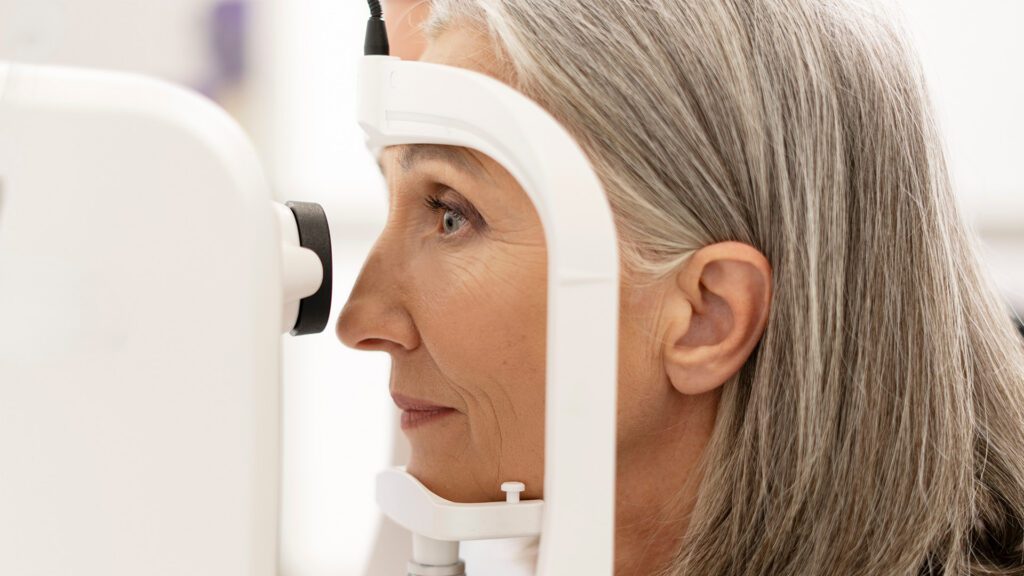
From helping people manage type 2 diabetes to driving dramatic weight loss, GLP-1 medications have quickly become some of the most talked-about treatments today. But as their popularity grows, so do questions – especially about side effects. One that has been getting asked: can these medications affect your vision?
The answer is a bit more nuanced than a simple yes or no.
A Quick Adjustment Period
GLP-1 medications work by lowering blood sugar and improving how the body handles insulin. For many people, those changes can happen relatively quickly – which is great for overall health, but can briefly throw your eyes off balance.
Some users report blurry vision, trouble focusing, or vision that seems to fluctuate. While this can be frustrating, it’s usually temporary. As your blood sugar stabilizes, your vision typically follows. Think of it as your eyes adjusting to a new normal.
When Diabetes is Part of the Picture
For people living with diabetes, eye health is already a concern. Conditions like diabetic retinopathy, caused by damage to the small blood vessels in the retina, can affect vision over
time. Interestingly, any rapid improvement in blood sugar, whether from medication, diet, or lifestyle changes. can sometimes make retinopathy appear worse at first. Doctors have known about this effect for years, and it’s not unique to GLP-1 drugs.
The key point: better blood sugar control still protects your eyes in the long run. It just may require a bit of monitoring early on.
A Rare but Serious Concern
You may also come across mentions of a condition called Anterior Ischemic Optic Neuropathy (AION). This is a rare condition involving reduced blood flow to the optic nerve, which can lead to sudden vision loss, usually in one eye. It tends to occur without pain and may appear as a shadow or missing area in your vision.
So, are GLP-1 medications to blame? At this point, there’s no clear evidence that they directly cause AION. Researchers are paying attention, but cases appear to be very uncommon. It’s also worth noting that diabetes itself, and the blood vessel changes that come with it, can increase the risk of this condition.
What Should You Watch For?
Most people taking GLP-1 medications won’t experience serious eye problems. Still, it’s smart to be aware of symptoms that shouldn’t be ignored:
- Sudden vision loss
- Persistent or worsening blurriness
- Dark or missing areas in your field of vision
If any of these occur, seek medical care right away.
The Bottom Line
GLP-1 medications are powerful tools for improving metabolic health and, for most people, they’re both safe and effective. While your vision might temporarily fluctuate as your body adjusts, lasting eye problems are uncommon.
As with many things in medicine, awareness is key. Regular eye exams, especially if you have diabetes, remain one of the best ways to protect your vision, no matter what medications you’re taking.
Dr. Joey Arencibia is president of Southeast Eye Group and an optometrist at the Hiawassee location. He is also the Lake Chatuge Living Expert Contributor for Eye Care. Contact him by phone at (706) 896-3303.
Any content, resident submissions, guest columns, advertisements, and advertorials are not necessarily endorsed by or represent the views of Best Version Media LLC (BVM) or any municipality, homeowners associations, businesses, or organizations that this publication serves. BVM is not responsible for the reliability, suitability, or timeliness of any content submitted, inclusive of materials generated or composed through artificial intelligence (AI). All content submitted is done so at the sole discretion of the submitting party.