Some friends ask why I know so much about the weather. Well for over 30 years I’ve tried to help clients mitigate property risks from storm damage. Each season has its own characteristics to deal with. I help by setting up home insurance coverage, educating clients and the public on best practices before, during and after storms, and by advocating for clients when they suffer a loss.
The annual hurricane season runs from June 1 until November 30. This year’s hurricane season is predicted to be slightly less active than average. But don’t let that fool you. A look back at recent years suggests that the number of storms in hurricane season may be an unreliable predictor of how much damage is caused.
I would have lost a bet that Massachusetts would get hit by a hurricane two seasons ago. The North Atlantic Ocean temperatures were much warmer than usual so early in the summer and there were predictions of a highly active hurricane season. I watched the formation of many storms off the coast of Africa, Caribbean Sea, and the Gulf of Mexico. We didn’t get hit mainly because of the Sarara Winds blowing sand into the atmosphere neutered the storms and lessening their long-range impact on land.
Before Hurricane Season
- Review your insurance polices with your agent to ensure you have adequate coverage in case of damage or flooding.
- De-clutter your gutters at least twice a year, as clogged gutters can cause water to back up during a hurricane and damage your roof or leak inside your home.
- Remove dead trees and prune nearby branches to reduce the risk of a diseased, weakened tree or tree limb falling on your home during intense winds and rain.
Before Hurricane Strikes
- Plan an evacuation route in case of emergency.
- Stock up on emergency supplies including water, a first aid kit, medication, and a flashlight with extra batteries.
- Place important documents (such as birth certificates, passports, and medical files) in a waterproof container.
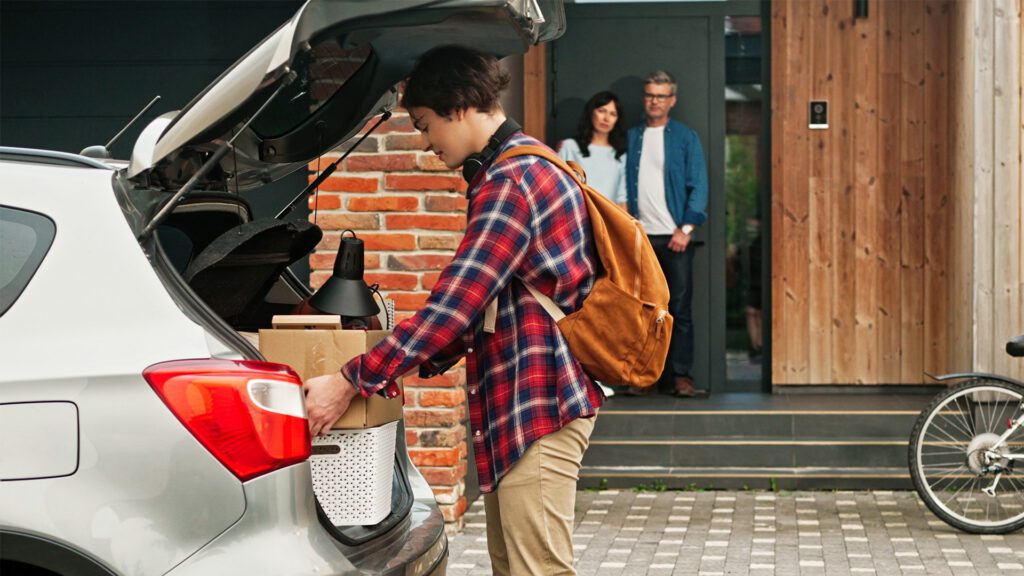
- Secure outdoor items like patio furniture, trampolines, potted plants, and bikes. If possible, bring them indoors.
- Move your vehicles to a garage or higher ground in case of flooding and avoid parking near overhanging branches.
During a Hurricane
- Frequently check for sever weather warnings and important news updates within your area.
- Always follow your area’s disaster preparedness plans.
- If your area is prone to flooding, move furniture off the floor and electronic devices to elevated surfaces.
- If your home is serviced by well water, fill buckets and bathtubs with water to use until your water pump is powered by electricity again.
How you fare after a hurricane or other severe weather event is a factor of your preparation. If you’re prepared and know how to implement the things that you need to do to help you through a major storm, you’ll do so much better than if you didn’t prepare or have a plan. It’s much like your insurance protection, it’s only as good as it’s set up before a storm, accident, or sudden event.
If you or anyone you know has an insurance related question, call Atlantic Insurance where “Having the Right Coverage, is No Accident!”
Any content, resident submissions, guest columns, advertisements, and advertorials are not necessarily endorsed by or represent the views of Best Version Media LLC (BVM) or any municipality, homeowners associations, businesses, or organizations that this publication serves. BVM is not responsible for the reliability, suitability, or timeliness of any content submitted, inclusive of materials generated or composed through artificial intelligence (AI). All content submitted is done so at the sole discretion of the submitting party.