At The Learning Experience Academy of Education, early childhood education goes far beyond letters and numbers. One of the most important areas of development during the early years is social skills—how children communicate, cooperate, and connect with others. Building these skills early sets the foundation for positive relationships, emotional intelligence, and success in school and life.
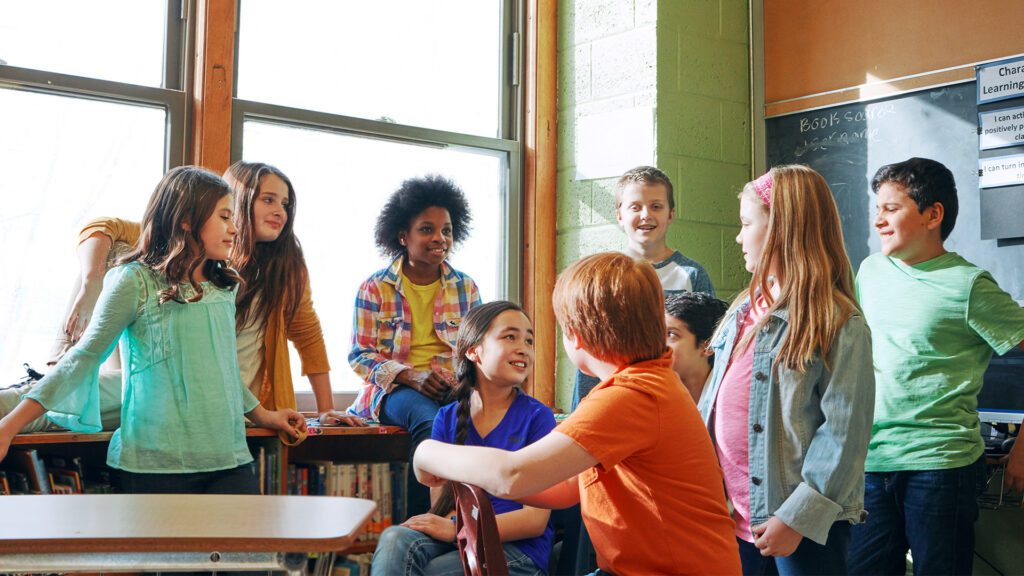
Young children are naturally curious about the world around them, but learning to navigate social situations takes guidance and practice. At The Learning Experience Academy of Education, our classrooms are designed to provide countless opportunities for children to interact, collaborate, and problem-solve with peers. From small-group activities to imaginative play centers, children learn how to share, take turns, and respect the perspectives of others.
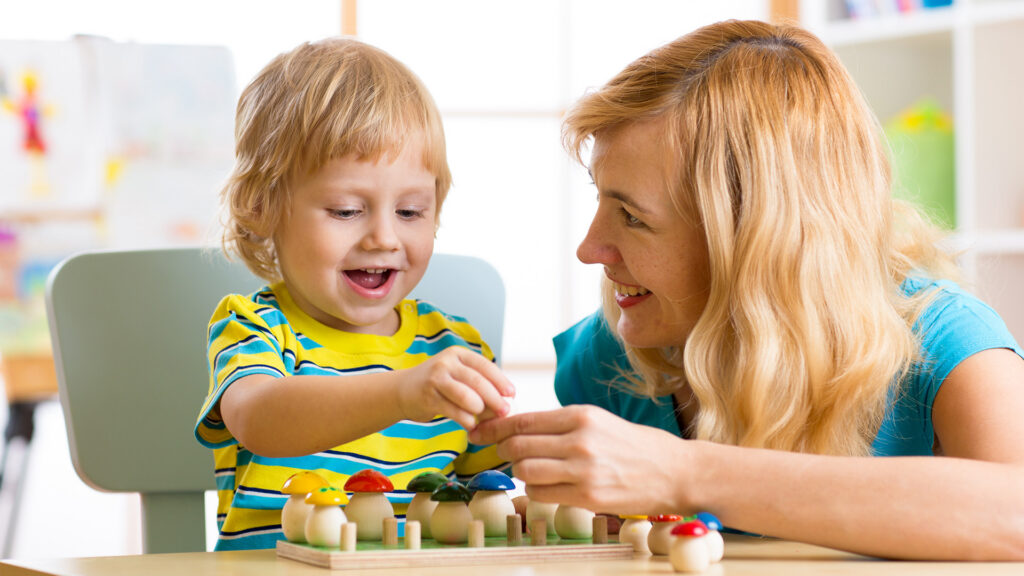
Play is a critical tool in social development. Cooperative games and role-playing allow children to practice empathy and communication in a safe environment. For example, building a “store” in dramatic play or working together on a simple art project encourages children to negotiate roles, express their ideas, and respond to feedback. These experiences teach patience, listening, and conflict resolution—skills that carry into every aspect of their lives.
Another key aspect of developing social skills is emotional awareness. Children at The Learning Experience Academy of Education are guided in identifying their feelings and understanding how their actions affect others. Teachers model positive behavior, encourage self-expression, and provide strategies for managing frustration or disappointment. These early lessons in self-regulation and empathy are crucial for forming healthy friendships and navigating group settings.
Social skills also grow through structured routines and group experiences. Circle time, story sharing, and collaborative projects give children consistent opportunities to practice attention, cooperation, and communication. When children see these behaviors reinforced daily, they gain confidence in interacting with peers and adults alike.
Importantly, each child develops at their own pace. Teachers observe individual progress, celebrate small milestones, and offer gentle guidance to support growth. By creating an environment that balances structure with freedom, children feel safe to experiment socially, try new behaviors, and develop their unique personalities.
Physical play further supports social growth. Activities on the playground, obstacle courses, or group movement games encourage teamwork, turn-taking, and problem-solving in real time. Children learn to navigate space, follow rules, and respond to peers’ cues—all while building coordination and confidence.
At The Learning Experience Academy of Education in Cosby Village, we understand that social skills are the foundation of lifelong success. By providing a supportive environment where children interact meaningfully, manage emotions, and learn from peers, we help them develop confidence, empathy, and communication abilities that will last a lifetime.
Investing in social skill development during the early years isn’t just about preparing children for school—it’s about shaping thoughtful, resilient, and connected individuals. At The Learning Experience Academy of Education, we make every interaction an opportunity for children to grow socially, emotionally, and personally.