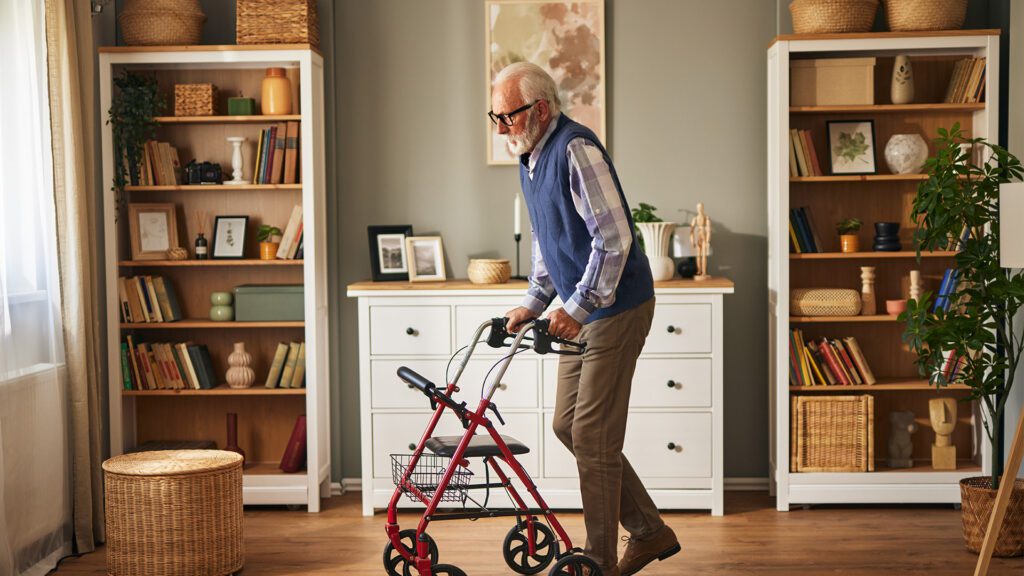
For many older adults, a fall is not just a frightening moment. It can become the beginning of a difficult recovery period that affects independence, confidence and daily life.
Even a relatively minor fall can make simple tasks suddenly challenging. Getting in and out of bed, preparing meals, bathing safely, managing medications or simply walking from room to room may require temporary support. Families are often left trying to balance work, caregiving responsibilities and concern for a loved one’s safety all at once.
One of the most important things families can do after a fall is avoid rushing recovery. Returning home from the hospital or rehabilitation center does not always mean someone is ready to safely manage alone. In-home personal care can provide an extra layer of support during this critical transition period and help reduce the risk of another fall.
Simple measures can also make a meaningful difference:
- Remove loose rugs and clutter
- Improve lighting in hallways and bathrooms
- Install grab bars where needed
- Encourage proper hydration and nutrition
- Make sure medications are reviewed regularly
Many families are surprised to learn that in-home care is not only for major medical situations. Some people need short-term assistance after surgery, illness or a fall, while others benefit from ongoing companionship, dementia support, homemaking help or assistance with daily activities.
The goal is often simple: helping someone remain safe, comfortable and independent at home for as long as possible.
Contact Julie Combs for more information at 904-646-8993 or homelifepc.com.
Any content, resident submissions, guest columns, advertisements, and advertorials are not necessarily endorsed by or represent the views of Best Version Media LLC (BVM) or any municipality, homeowners associations, businesses, or organizations that this publication serves. BVM is not responsible for the reliability, suitability, or timeliness of any content submitted, inclusive of materials generated or composed through artificial intelligence (AI). All content submitted is done so at the sole discretion of the submitting party.