Mental Health, Minority Stress, and the Rise of Non-Alcoholic Alternatives in LGBTQ+ Communities
Like many communities, LGBTQ+ social life has long been shaped by alcohol, particularly through bars and nightlife that once served as rare spaces of safety and belonging. Yet research increasingly shows that this relationship is deeply intertwined with mental health challenges and structural stressors. As non-alcoholic beverages gain popularity, they offer a meaningful shift in how queer individuals navigate coping, community, and well-being.
A key framework for understanding substance use in LGBTQ+ populations is minority stress theory, which suggests that chronic stigma, discrimination, and social exclusion create unique stress for marginalized groups. Studies consistently demonstrate that these stressors are linked to higher rates of anxiety, depression, and trauma-related symptoms among sexual and gender minorities. These mental health disparities in turn are directly associated with increased vulnerability to substance use as a coping mechanism. Minority stress has been shown to predict substance use both directly and indirectly through heightened psychological distress.
Empirical data supports the extent of this disparity. LGBTQ+ individuals exhibit higher levels of problem alcohol use compared to non-LGBTQ+ populations, often beginning in adolescence. Broader public health research similarly finds that substance use disorders—including alcohol dependence—are more prevalent among LGBTQ+ adults, largely due to stressors related to discrimination and identity-based stigma. Among LGBTQ+ youth, experiences of victimization and discrimination significantly increase the likelihood of substance use, highlighting how early these patterns can develop.
Importantly, substance use in these contexts is often less about recreation and more about regulation—an attempt to manage emotions, anxiety, or trauma. Researchers have described substance use among sexual and gender minorities as a response to both external stressors, such as violence or rejection, and internal stressors, such as internalized stigma or identity concealment. This reframes drinking not simply as a cultural norm, but as a coping strategy embedded within broader systems of inequality.
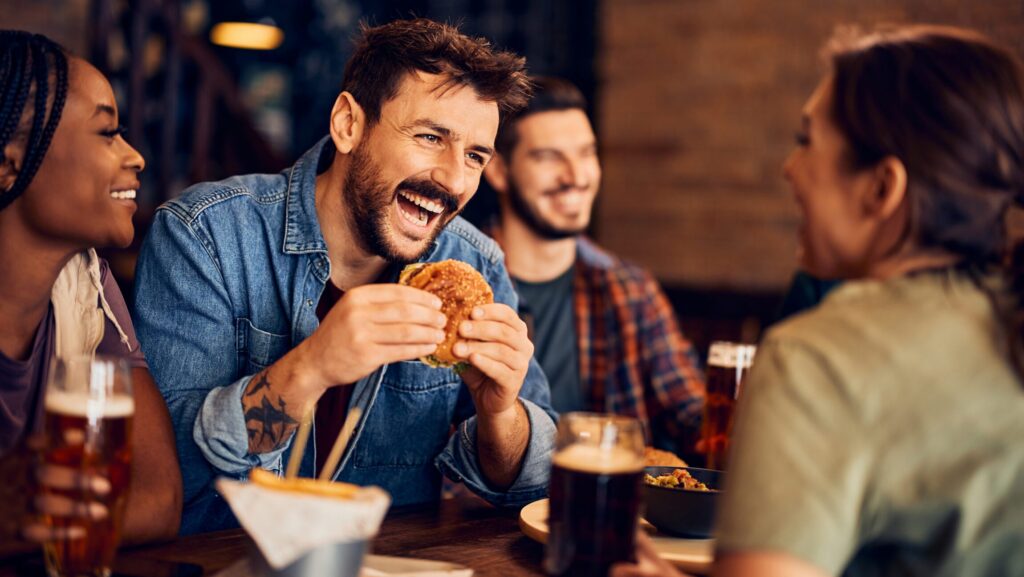
However, a cultural shift is underway, with the rise of non-alcoholic beverages offering an alternative that preserves social rituals without reinforcing harmful coping patterns. For LGBTQ+ individuals seeking to reduce or eliminate alcohol intake, these options create space for conscious consumption, and allow for continued participation in social life without the psychological or physiological costs of intoxication.
This shift is particularly significant in queer spaces, where opting out of drinking has historically meant opting out of community. Non-alcoholic alternatives challenge that binary. They allow individuals to remain socially engaged while prioritizing mental health, aligning with broader trends toward wellness and self-awareness. In this sense, non-alcoholic beverages function not just as products, but as tools of harm reduction and self care.
Ultimately, the intersection of minority stress, mental health, and substance use reveals a deeper truth: drinking culture in LGBTQ+ communities has never been purely about pleasure. As non-alcoholic options become more visible and culturally accepted, they open the door to reimagining a new queer social life; one that centers on connection, resilience, and intentional well-being over coping alone.
References
Fish, J. N., et al. (2023). Minority stress and substance use among LGBTQ+ populations. Taylor & Francis Online.
Hughes, T. L., et al. (2016). Alcohol use and alcohol-related problems among sexual minority women. NIH.
The Trevor Project. (2021). Substance Use, Minority Stress, and Mental Health Among LGBTQ Young People.
McCabe, S. E., et al. (2018). Substance use and mental health disparities among sexual minority adults. RecoveryAnswers.org.
Meyer, I. H. (2003). Prejudice, social stress, and mental health in lesbian, gay, and bisexual populations: Conceptual issues and research evidence.
Any content, resident submissions, guest columns, advertisements, and advertorials are not necessarily endorsed by or represent the views of Best Version Media LLC (BVM) or any municipality, homeowners associations, businesses, or organizations that this publication serves. BVM is not responsible for the reliability, suitability, or timeliness of any content submitted, inclusive of materials generated or composed through artificial intelligence (AI). All content submitted is done so at the sole discretion of the submitting party.