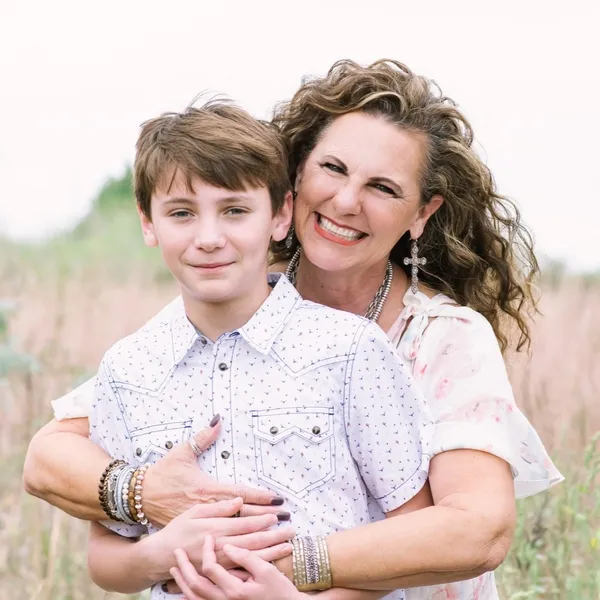
My name is Mackalla Crumpley. I am a licensed chemical dependency counselor- intern at Safe Haven Counseling Center in Friendswood, Texas. I hold a bachelor’s degree in psychology and am currently a graduate student at Houston Christian University, pursuing a degree in Clinical Mental Health Counseling.
My passion in the mental health field is working in addiction counseling. I strive not only to help clients find ongoing success in their recovery journey but also to support the family and loved ones who are directly affected by addiction.
My treatment approach is integrative, holistic, and faith-based. I strive to create a safe, judgment-free space and firmly believe that all humans are worthy of healing, redemption, and restoration. Throughout this article, my goal is to educate readers on the relationship between addiction and mental health and my approach to the recovery process.
Addiction and mental health are interdependent, each imposing a powerful influence on the other. Many individuals struggling with chemical addictions or behavioral addictions frequently experience co-occurring mental health conditions. Mental health can be a powerful driving force behind the development of an addiction. Many individuals turn to substances or compulsive behaviors seeking temporary relief, starting a cycle where addiction worsens mental health symptoms, which in turn fuels further addictive behaviors. This vicious cycle intensifies both mental health disorders and addiction. All forms of addiction, whether substance-related or behavioral, affect the brain’s structure, function, and chemistry, producing lasting changes that impair decision-making, emotional regulation, and reward processing. With treatment and commitment to long-term recovery, the brain has the capacity to adapt, repair, and strengthen itself. Due to the complex relationship of mental health and addiction, I believe effective recovery must address the whole person, encompassing mind, body, and spirit.
I believe that integrated approaches combining holistic techniques, such as Emotional Freedom Technique (EFT) and faith, with traditional, evidence-based psychotherapies create a sturdy foundation for long-term healing. EFT is a mind-body technique that helps regulate emotions, encourages self-acceptance, and reduces cravings. Trauma-informed, evidence-based psychotherapies such as CBT, DBT, and MI target the underlying thoughts, behaviors, and emotional patterns that sustain addiction, while also building healthier coping skills and motivation for lasting change. Spiritual integration of faith can be foundational by creating purpose and meaning, instilling hope, encouraging forgiveness, and resilience. The integration of faith can strengthen recovery at its core.
When psychotherapy, holistic techniques, and spirituality are integrated, individuals gain the tools not only to achieve sobriety but also to heal emotionally, mentally, and spiritually, creating a sustainable path toward long-term recovery.
If you are seeking support struggling with addiction, a loved one affected by addiction, or just needing extra support during ongoing recovery, reach out to Safe Haven Counseling Center today. I would be honored to work alongside you.
You can schedule an appointment with Mackalla at mackalla@myshcc.org
To learn more about Safe Haven Counseling Center, LLC or find a provider that specializes in your needs, please call (832) 872-2077 or visit www.myshcc.org
Any content, resident submissions, guest columns, advertisements, and advertorials are not necessarily endorsed by or represent the views of Best Version Media LLC (BVM) or any municipality, homeowners associations, businesses, or organizations that this publication serves. BVM is not responsible for the reliability, suitability, or timeliness of any content submitted, inclusive of materials generated or composed through artificial intelligence (AI). All content submitted is done so at the sole discretion of the submitting party.