Most homeowners don’t think about their electrical panel until something goes wrong. A breaker that keeps tripping. Lights that flicker when the AC kicks on. An outlet that just stops working. When I trace these issues back, the real problem is usually deeper than the symptom. It’s a panel sized for a different era, wiring that’s been quietly deteriorating, or circuits that were never built to carry the loads we put on them now.
A 100-amp panel, standard in most homes built before the mid-’90s, was designed for window AC units and tube TVs. Today’s households run central air, hot tubs, home offices, and EV chargers. When a panel gets pushed past its capacity, breakers trip, circuits overheat, and in the worst cases, fires start inside walls. A 200-amp upgrade isn’t glamorous, and no one is posting their new breaker box on Instagram. But it’s the thing that makes everything else in your house work safely.
If your home is more than 20 years old, a few things are worth paying attention to. Breakers that trip when you run the microwave and the AC at the same time. Warm or discolored outlet covers. A faint burning smell near the panel. Two-prong outlets still in use, which means there’s no ground wire.
Living at the shore means dealing with weather most of the state doesn’t think twice about. When the power goes out and comes back on, that surge can fry electronics and damage appliances. A whole-home surge protector is installed at the panel and covers everything downstream for a reasonable cost. Generator transfer switches are another smart move, which let you safely run a generator without back-feeding the grid.
The part people get excited about is the outdoor work. Landscape lighting. Deck and patio outlets. Outdoor kitchen wiring. Hot tub hookups. EV chargers. But a lot of the outdoor electrical I come across was done without permits or proper weatherproof ratings. When I wire an outdoor space, I’m also thinking about where you’ll need power five years from now, not just today. Putting in a patio? Let’s run conduit for lighting while the ground is already open. Want an EV charger down the road? Let’s make sure the panel can handle it before you pour concrete over the only path to the garage.
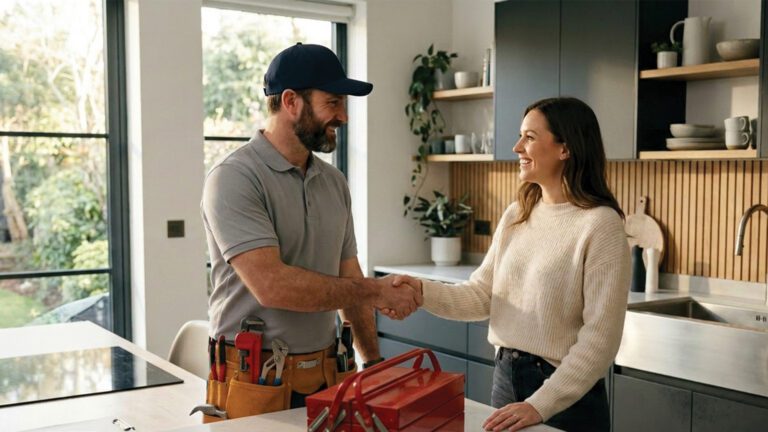
Most homeowners aren’t looking for a sales pitch. They want someone to walk through their house, tell them what’s fine and what’s not, and what makes sense to tackle now versus later. That’s how I approach every call. If your electrical system has been out of sight and out of mind, it might be worth a conversation.
Nick Savacool is the owner of Savacool Electric and a resident of Point Pleasant for over 10 years. Connect with Nick at 201-248-3247, savacool.electric@gmail.com, or savacoolelectric.com.
Any content, resident submissions, guest columns, advertisements, and advertorials are not necessarily endorsed by or represent the views of Best Version Media LLC (BVM) or any municipality, homeowners associations, businesses, or organizations that this publication serves. BVM is not responsible for the reliability, suitability, or timeliness of any content submitted, inclusive of materials generated or composed through artificial intelligence (AI). All content submitted is done so at the sole discretion of the submitting party.