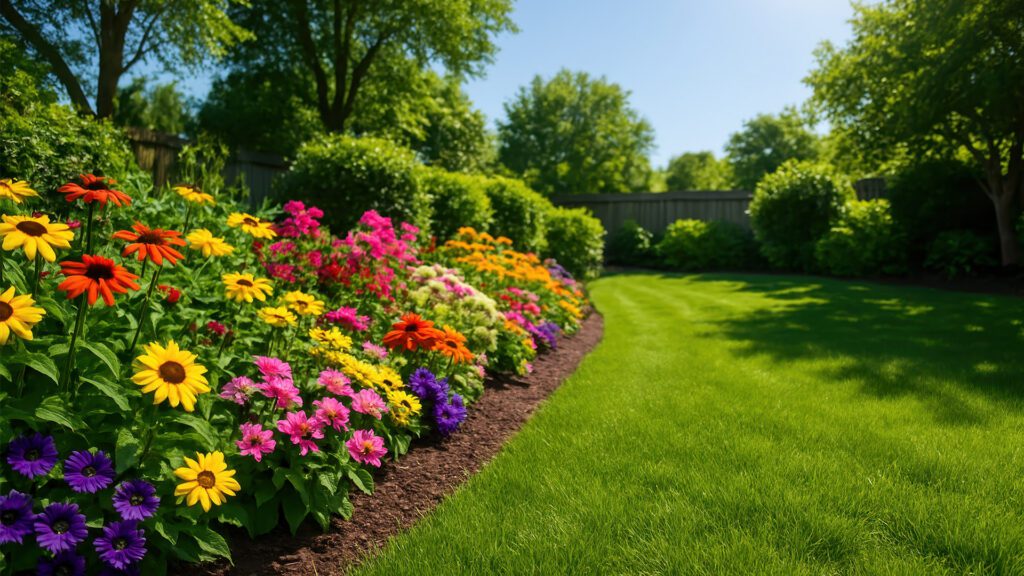
One of the first questions we ask when recommending plants is, “How much sun does the area get?”
Different plants require different amounts of sunlight based on where they naturally grow. Matching plants to the proper light conditions is one of the most important steps for gardening success.
For example, if you plant a shade-loving plant in full sun, it will quickly scorch and struggle. On the other hand, if you try to grow tomatoes in a shady location, you may get plenty of leaves but very few tomatoes.
When shopping for plants, always make sure the varieties you choose will receive the recommended amount of sunlight in the location where you plan to plant them.
SUNLIGHT GUIDELINES
Here are some guidelines when it comes to how much sun your plants require based on their light tolerance, as noted on the label:
- Full Sun: At least 6 hours of direct sunlight per day. Many flowering plants, vegetables, and herbs require full sun to grow and bloom well.
- Part Sun/Part Shade: About 3-6 hours of direct sun per day. These plants benefit from some sunlight but also appreciate protection during the hottest part of the day.
- Shade: Less than 3 hours of direct sun per day, or filtered light through trees. Shade plants are adapted to lower light conditions.
CONSIDER THE DIRECTION OF YOUR GARDEN
The direction your garden faces also affects how much sun it receives.
- North-facing areas are generally the shadiest, because the sun travels from east to west and provides little direct sunlight on the north side of a building.
- South-facing areas usually receive the most sun and heat, especially during the middle and late afternoon.
- East-facing areas receive morning sun, which is usually gentler and cooler.
- West-facing areas receive afternoon and evening sun, which is typically hotter and more intense.
While researchers often say sunlight intensity is similar throughout the day, many gardeners notice that afternoon sun tends to feel stronger than morning sun. Because of this, many shade-loving plants can tolerate some morning sunlight but may struggle with hot afternoon exposure.
Taking a few minutes to observe how the sun moves across your yard will help you choose the right plants—and give them the best chance to thrive.