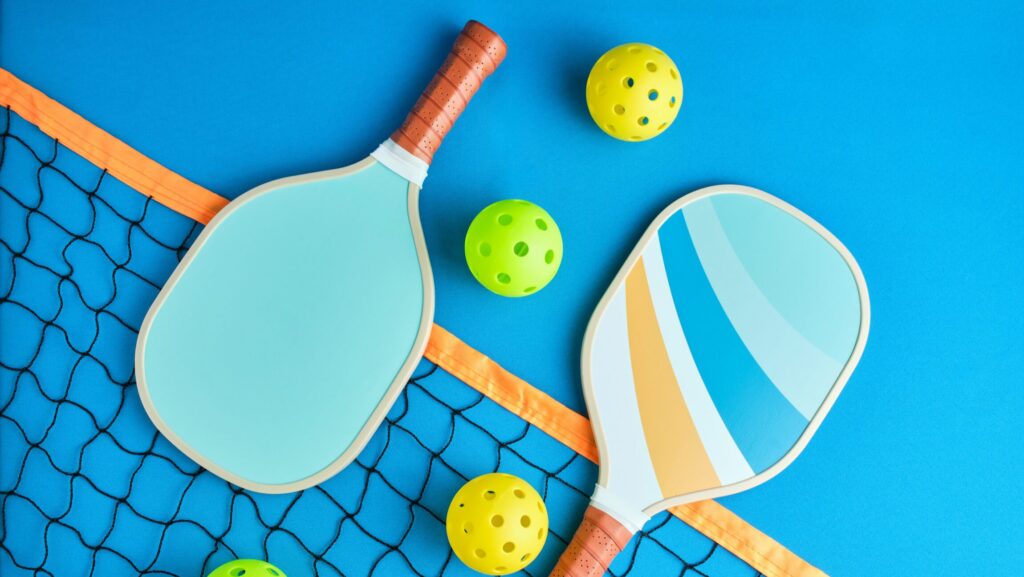
Pickleball is one of the fastest-growing sports enjoyed by people of all ages and skill levels. The combination of fun, social interaction, and physical activity makes it an excellent way to stay active, improve fitness, and connect with others, both on and off the court.
*Please note: This information is intended as a general guideline and is not specific to your individual needs or abilities. Before beginning any new exercise or activity program, it’s recommended that you consult with your physiotherapist or healthcare professional to ensure it is safe and appropriate for you.*
Credit: Kenaston Common Physiotherapy
Warm Up
A comprehensive warm-up is the best way to prevent injury on the court. Start with light jogging, high knees, or butt kicks to gradually increase heart rate. Then include dynamic movements, like leg swings, ankle circles, lunges, torso twists, shoulder rolls, and wrist circles. Try agility practice with lateral shuffles, side steps, or grapevine. Finish with specific stretching for calf, hamstring, and forearm muscles.
Modify by holding onto a wall for balance, moving more slowly, and sitting when needed.
Strength Training
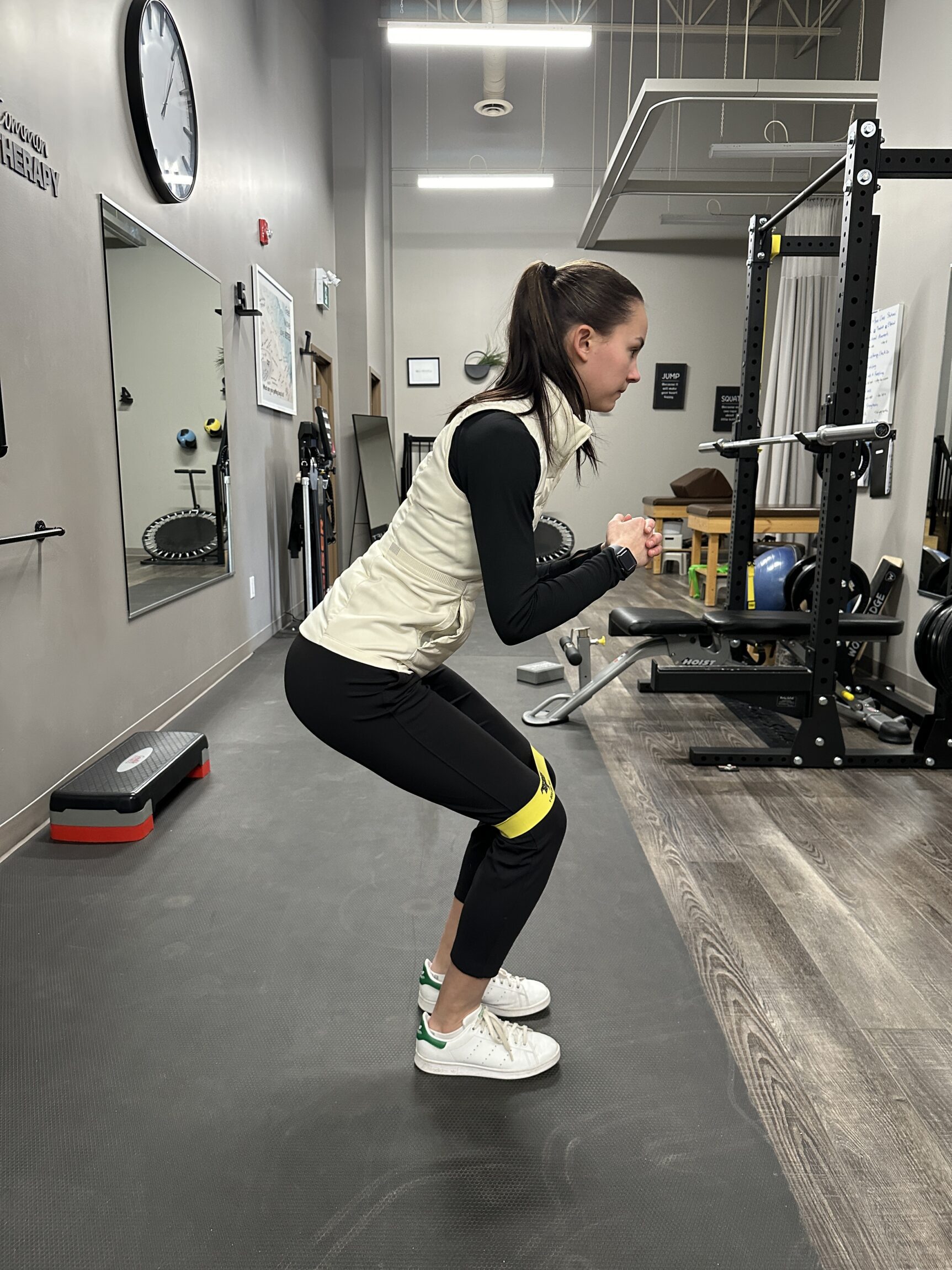
Pickleball requires strength and stability of the upper body, lower body, and core. Try to incorporate your favourite variation of these exercises into your workout routine.
- Upper Body Exercises: rows, chest press, internal/external shoulder rotation with band
- Lower Body Exercises: squats, lunges, deadlifts, bridges
- Core Exercises: wall or floor plank shoulder taps and oblique twists
Whether you’re just starting out or looking to progress, always keep these tips in mind: focus on form first, start with body-weighted exercises and gradually increase, allow for rest days in between sessions, include a warm-up and a cooldown, and remember to breathe.
Credit: Kenaston Common Physiotherapy
Balance and Fall Prevention
Having confidence in your balance is the number-one way to limit fall and fracture risk while playing pickleball. Try incorporating balance practice into your everyday life by standing on one leg while at the countertop. When this gets too easy, crank it up a notch by adding arm or leg reaches.
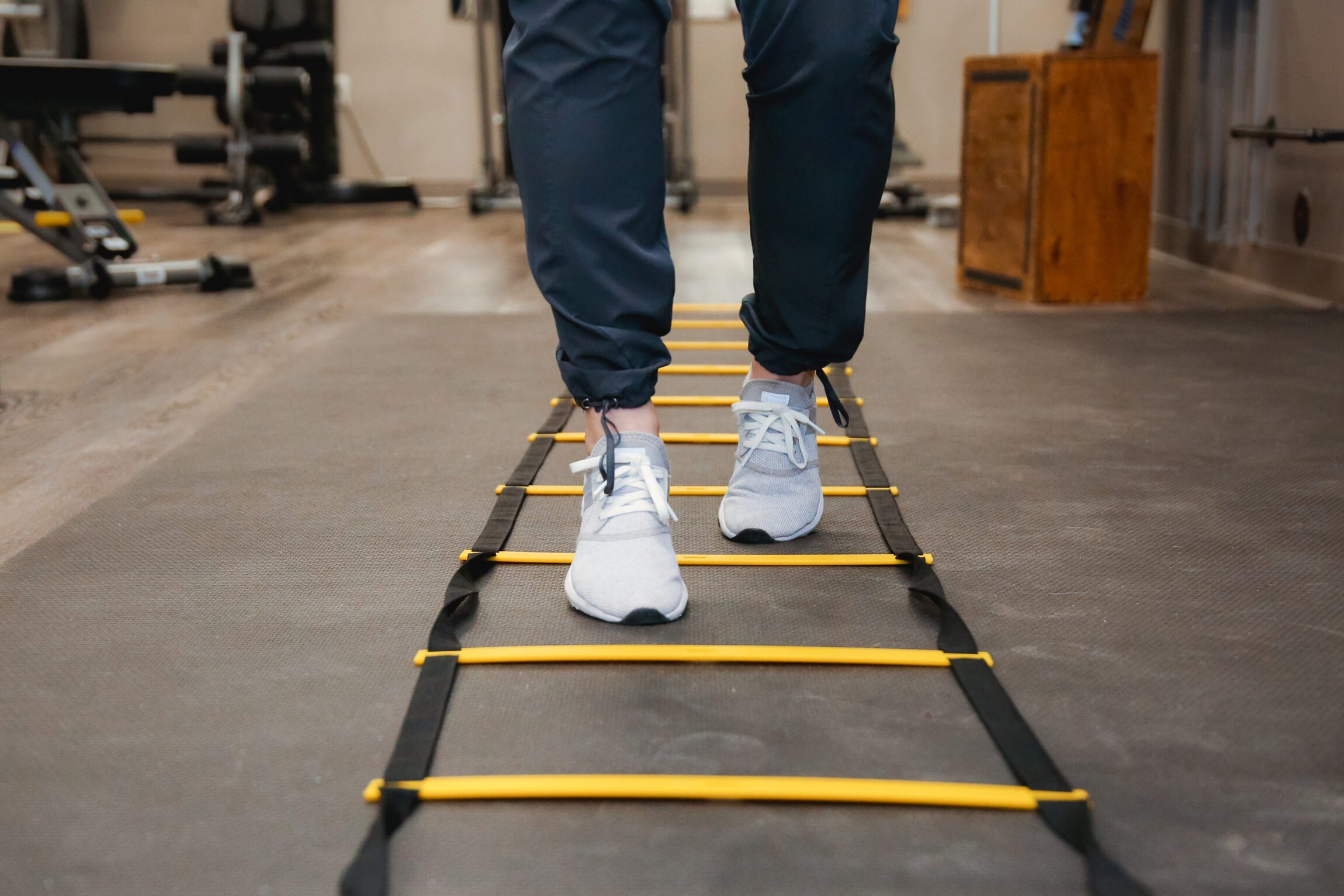
Adding exercises like step-ups and step-downs to your workouts will help strengthen the leg muscles used to support the body when standing on one leg. Be sure to include agility training, such as ladder exercises or grapevine, to replicate in-game movements. On the court, always wear a court or pickleball shoe. These are designed with strong traction and stability to support your feet and ankles during side-to-side movements and quick stops.
Common Injuries
Tennis elbow is an overuse injury of the forearm muscles that control wrist movements and grip strength. Having strong upper back and shoulder muscles will help to reduce excess forces through forearm tendons. Including the wrists in your warm-up and cooldown sessions will help alleviate stiffness associated with overuse.
Calf or achilles tendon strain is one of the most commonly seen injuries in pickleball. It will typically happen due to an insufficient warm-up, a rapid change of direction, or repeated push-off movements. Treat these injuries with rest, ice, gentle movements, and a rehabilitation plan from your physiotherapist.
Knee osteoarthritis (OA) flare-up: Starting a new activity or a sudden increase in volume can cause pain, swelling, and stiffness in knees with OA. Make sure to always complete a thorough warm-up and cooldown; gradually increase play frequency, duration, and intensity; wear supportive footwear, consider bracing options, and take rests as needed.
Struggling with a pickleball injury? Looking for an exercise plan to optimize injury prevention? Call 204-489-4737 or visit us at kcphysiotherapy.com to book an assessment with our physiotherapists or athletic therapists.
Any content, resident submissions, guest columns, advertisements, and advertorials are not necessarily endorsed by or represent the views of Best Version Media LLC (BVM) or any municipality, homeowners associations, businesses, or organizations that this publication serves. BVM is not responsible for the reliability, suitability, or timeliness of any content submitted, inclusive of materials generated or composed through artificial intelligence (AI). All content submitted is done so at the sole discretion of the submitting party.