The kitchen, dink shot, drop shot, lob shot, three numbers scoring, two-bounce rule… I could talk all day about how the game of pickleball works, but there is something more powerful behind this sport.
Pickleball may be the fastest-growing sport in the country, but its real impact goes far beyond the court. At parks, country clubs, rec centers and local communities, it’s reshaping not just how people play. It is emerging as something far more dynamic: a modern social hub built on energy, accessibility and connection.
Where sports like golf and tennis once defined the rhythm of social life, pickleball is introducing something more immediate and inclusive. Its accessibility lowers the barrier to entry, inviting players of all ages, skill levels and economic means to step in and participate. You don’t need years of experience to enjoy the game, and that simplicity is exactly what makes it powerful.
What starts as a match quickly becomes something more. Rotations lead to introductions, casual games spark conversations and friendly competition evolves into genuine connection. In a way, pickleball is reviving the original spirit of what it meant to belong to a club but without the club—bringing people together through shared experience, not just a shared membership.
A big part of that shift is how the game is programmed.
Today’s pickleball facilities aren’t just offering court time—they’re curating social experiences. Round robins, themed mixers, charity tournaments and league play create a steady cadence of activity that keeps members engaged. These events blur the line between sport and social life, where a quick game can turn into dinner plans or a weekend tournament becomes the highlight of the month.
This evolution is redefining what people expect from a club-like environment but without the club. It’s not about fancy amenities; it’s about belonging.
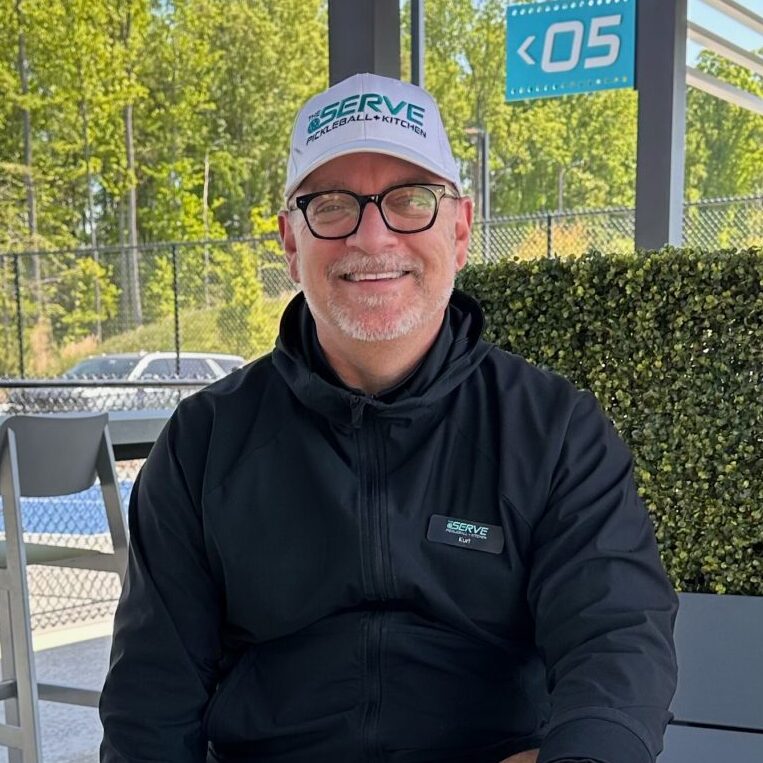
Pickleball creates a natural “third place,” somewhere between home and work, where people show up not just to play, but to be part of something. The energy is constant, the environment is welcoming and the connections feel authentic. As a certified coach at The Serve Pickleball and Kitchen here in Lake Norman, this is what I love most about what this sport is doing for people.
Even the sound of the game reflects this shift. The steady “pop” of a paddle against that ball has become a kind of heartbeat, signaling activity, interaction and a sense of community in motion.
In the end, pickleball’s rise isn’t just about a new sport. It’s about a new model of engagement—one that prioritizes accessibility, fosters connection and turns everyday play into a meaningful experience.
And that may be its greatest contribution of all: redefining not just how people compete but why they come together in the first place.
Any content, resident submissions, guest columns, advertisements, and advertorials are not necessarily endorsed by or represent the views of Best Version Media LLC (BVM) or any municipality, homeowners associations, businesses, or organizations that this publication serves. BVM is not responsible for the reliability, suitability, or timeliness of any content submitted, inclusive of materials generated or composed through artificial intelligence (AI). All content submitted is done so at the sole discretion of the submitting party.