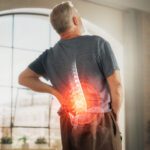
Slipped discs, or disc herniations, are a common source of significant discomfort and can lead to severe back pain, sciatica, arm pain, and even headaches. The quest for relief often drives individuals to seek immediate solutions, frequently turning to over-the-counter (OTC) medications and, for more severe pain, opioids. These pain management strategies, while initially effective, can inadvertently pave a dangerous path to addiction.
OTC medications like nonsteroidal anti-inflammatory drugs (NSAIDs) and acetaminophen are commonly used for managing the discomfort associated with slipped discs. Unfortunately, their usage is generally intended for short-term relief and does not address the underlying issues causing chronic pain. Moreover, prolonged use of these medications can result in severe side effects, including gastrointestinal damage, liver problems, cardiovascular risks, and dependency. These drawbacks highlight the limitations of relying solely on OTC solutions and the importance of pursuing alternatives that address pain without adverse health impacts.
The reliance on opioids is also a prevalent issue. These powerful drugs are prescribed to alleviate severe pain by reducing the transmission of pain signals and altering brain responses. Despite their effectiveness, opioids carry a high risk of addiction, transforming patients’ experiences with pain into dangerous cycles of dependency. The euphoric effects produced by opioids can swiftly lead to misuse, as evidenced by alarming statistics from the National Institute on Drug Abuse (NIDA), which report a high number of daily overdoses related to these medications.
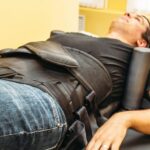
Amid these concerns, alternative treatments become increasingly appealing for those suffering from the debilitating effects of slipped discs. One promising avenue is non-invasive, non-surgical spinal decompression therapy offered by centers like Disc Centers of America in Eustis and Laser Pain Centers-Eustis. This approach provides a potentially safer and effective alternative, focusing on the root causes of the pain without the associated risks of medication overuse. By utilizing specialized equipment to carefully relieve pressure on spinal discs, this method aims to promote healing and pain relief.
“I was in a car accident almost 20 years ago. You can still see the scar under my hair where I had 70 stitches. I have lived in pain and told Dr. Wagner in my consultation with her how much Motrin I take every day and every week! I went through at least 2-3 bottles per week for over a decade. After about two months of her taking care of me, I told Dr. Wagner I was no longer taking any for several days! She wasn’t nearly as excited as I was because she didn’t realize how long I had been taking them for and how they ripped up my stomach. She said she almost” fell off her stool” when she looked at my paperwork and saw how many pills I was popping! I feel a lot better and hope I’m off that stuff for good!” M. C.
Consider the experience of M.C., who, after enduring a severe accident, relied on Motrin for years—consuming multiple bottles weekly. Under proper care and guidance, M.C. successfully ceased taking the medication and experienced a significant improvement in well-being, illustrating the substantial benefits of exploring more sustainable pain management options.
With the rise in opioid prescription rates and subsequent addiction issues, the medical community is becoming increasingly aware of the need for comprehensive pain management strategies. As opioid-related complications continue to pose significant societal challenges, integrating holistic treatments and alternative therapies into routine care provides a promising direction. At my clinic, we employ specific technologies that ease pain naturally and non-invasively, with machines like the Matrix providing electro-analgesia, Class IV laser for pain relief, and non-surgical spinal decompression. Some of these can even be utilized over a person’s previous surgical site, offering solutions to those with failed back surgery syndrome and chronic pain.
While slipped discs can significantly impact quality of life, pursuing pain relief through OTC medications and opioids presents marked risks. These common medical methods, often accompanied by negative side effects, underscore the necessity for more balanced approaches to back pain management. Non-invasive spinal decompression therapy offers a viable path forward for individuals seeking relief without the dangers of medication dependency. This strategy, supported by medical oversight and tailored to individual needs, holds the promise of more effective and lasting results in managing the chronic pain associated with slipped discs.
Don’t let the pain from slipped discs control your life or lead you down the path of accidental addiction. Explore these non-invasive and natural healing therapies at Disc Centers- Eustis in Wagner Chiropractic. Contact us today for a personalized consultation to discover how our innovative approach can provide you with lasting relief and reclaim your quality of life. I, Dr. Wagner am committed to helping you avoid back surgery and stay off addictive medications.