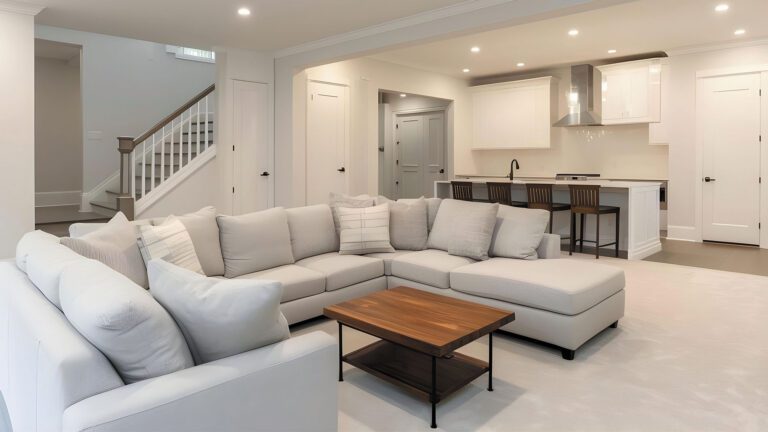
Natural wood is making a strong comeback in kitchen design, and its renewed popularity is rooted in its timeless beauty, warmth, and versatility. After years of sleek, minimalist kitchens dominated by synthetic and glossy materials, homeowners and designers are turning back to wood to create spaces that feel inviting and connected to nature.
One key appeal of natural wood is its ability to bring texture and character into the kitchen. Each slab or plank carries unique grain patterns and color variations, ensuring no two pieces are exactly alike. This individuality adds depth and personality to kitchens, moving away from the uniformity of mass-produced surfaces. Wood’s rich tones—from light oak to deep walnut—can complement a wide range of kitchen styles, from rustic farmhouse to contemporary minimalism.
Beyond aesthetics, natural wood offers practical benefits. It is a renewable resource, making it a sustainable choice compared to synthetic alternatives. Advances in finishing techniques allow wood to be more durable and resistant to moisture and wear, addressing common concerns about its use in kitchens where humidity and spills are frequent.
Design trends also emphasize biophilic elements, which aim to incorporate nature into indoor spaces for improved wellbeing. Natural wood perfectly fits this trend, creating kitchens that are not only functional but also nurturing environments.
Cabinetry, countertops, flooring, and even open shelving made from natural wood are popular choices, often paired with neutral colors and organic materials like stone and metal. This blend ensures kitchens feel balanced, warm, and grounded.
Natural wood is reclaiming its place at the heart of kitchen design by offering beauty, sustainability, and a connection to nature. Its unique aesthetic and practical qualities make it a preferred option for those wanting kitchens that are both stylish and inviting.
Any content, resident submissions, guest columns, advertisements, and advertorials are not necessarily endorsed by or represent the views of Best Version Media LLC (BVM) or any municipality, homeowners associations, businesses, or organizations that this publication serves. BVM is not responsible for the reliability, suitability, or timeliness of any content submitted, inclusive of materials generated or composed through artificial intelligence (AI). All content submitted is done so at the sole discretion of the submitting party.