If you’ve renewed your homeowners insurance recently, you already know something has changed. Premiums are up — way up. And for some homeowners in Evergreen, Conifer and Morrison, the letters arriving aren’t renewal notices at all. They’re non-renewals.
Here’s something most homeowners don’t realize: your insurance company isn’t just looking at your address and claims history anymore. They’re looking at your house. Literally.
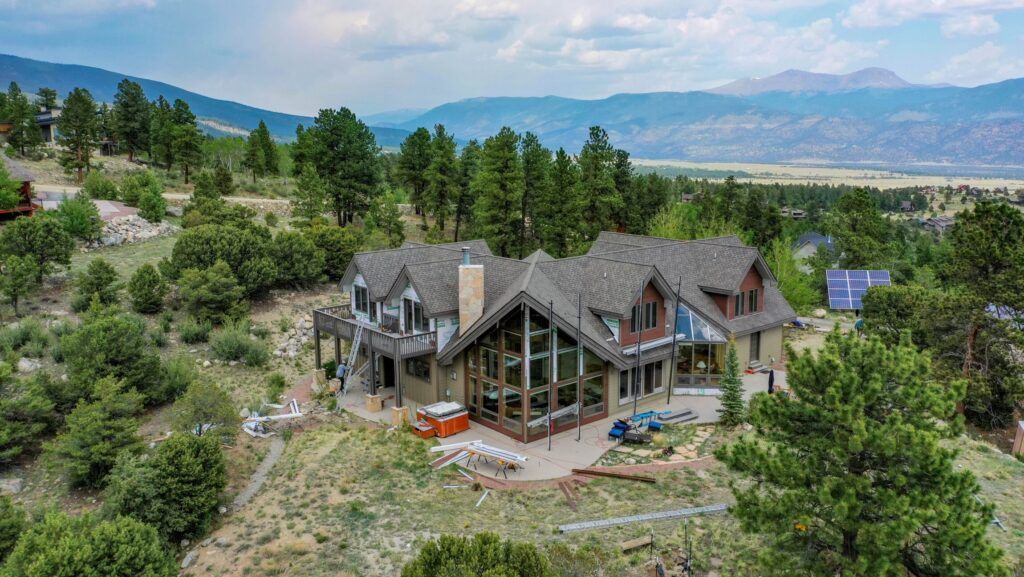
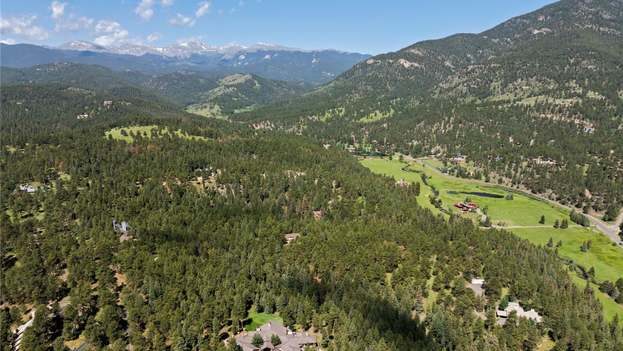
Insurers now use satellite imagery, aerial photography and third-party risk scoring to evaluate properties. They’re examining roof condition, vegetation proximity, siding materials and how your home sits in relation to wildfire corridors and defensible space zones. That aging cedar siding? They see it. Trees brushing against your roofline? Factored in. A wood deck without a noncombustible buffer zone? That’s in your score too.
Sometimes the assessment is wrong and can be appealed. But often, it’s accurate — the home simply presents more risk than the carrier wants to insure.
Colorado’s House Bill 1182 takes effect this July, and it’s going to change the conversation between homeowners and insurers. For the first time, carriers will be required to disclose exactly how they’re calculating your wildfire risk score. They’ll have to explain what factors are driving your premium and what mitigation steps could lower it. And you’ll have the right to appeal your risk score if you believe it doesn’t reflect the work you’ve done.
Here’s the catch: to benefit from these new protections, the work has to be done first. Homeowners who complete mitigation before July will be positioned to take full advantage of the transparency and appeal options the new law provides. Those who wait may find themselves another renewal cycle behind.
When insurers evaluate wildfire risk, they’re looking at your home’s ignition potential — how likely it is that embers, radiant heat or direct flame contact will ignite your structure. The answers come down to materials, maintenance and the immediate zone around your home.
Roofing matters enormously. A Class A fire-rated roof is increasingly table stakes in the foothills. But siding is often overlooked. Cedar and wood-based sidings are beautiful, but they’re combustible. Fiber cement siding is noncombustible and can significantly improve how a home scores in wildfire risk models.
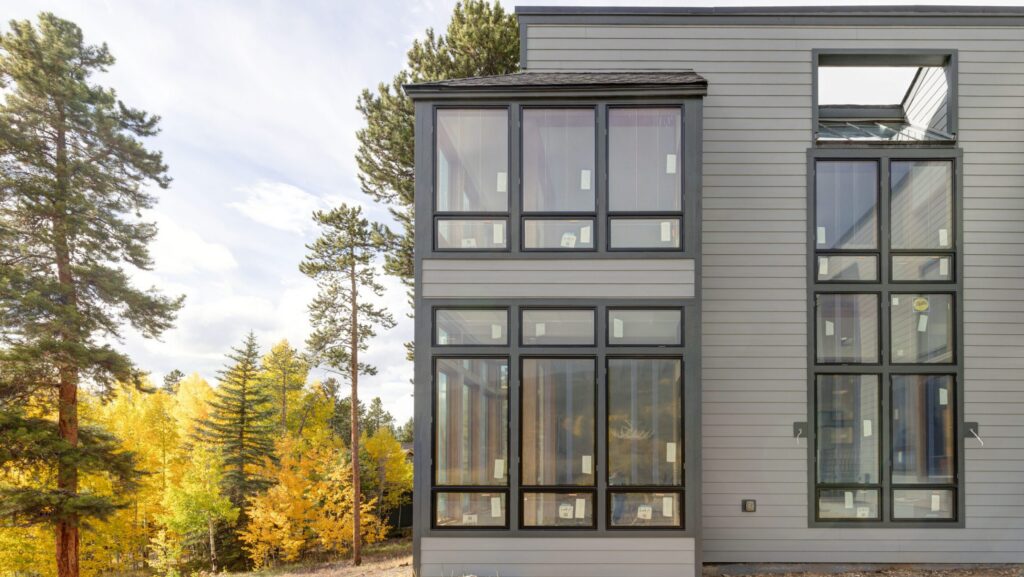
Windows are another factor. Older single-pane or failed double-pane windows are weak points where radiant heat can enter the structure. Modern windows with tempered glass and proper sealing perform dramatically better in fire exposure scenarios.
The homes that will fare best in this new insurance landscape are the ones where thoughtful improvements address multiple concerns at once — looking better, standing up to Colorado’s climate and presenting a lower risk profile to underwriters evaluating them from above.
Any content, resident submissions, guest columns, advertisements, and advertorials are not necessarily endorsed by or represent the views of Best Version Media LLC (BVM) or any municipality, homeowners associations, businesses, or organizations that this publication serves. BVM is not responsible for the reliability, suitability, or timeliness of any content submitted, inclusive of materials generated or composed through artificial intelligence (AI). All content submitted is done so at the sole discretion of the submitting party.