Paint is one of the most powerful tools a homeowner has: it refreshes a space, boosts curb appeal, and protects surfaces from the elements. But beneath a smooth, freshly painted surface, serious problems can quietly take hold. Water damage, mold growth, deteriorating wood, compromised electrical wiring, and pest infestations are just a few of the issues that a coat of paint can conceal from even the most attentive eye.
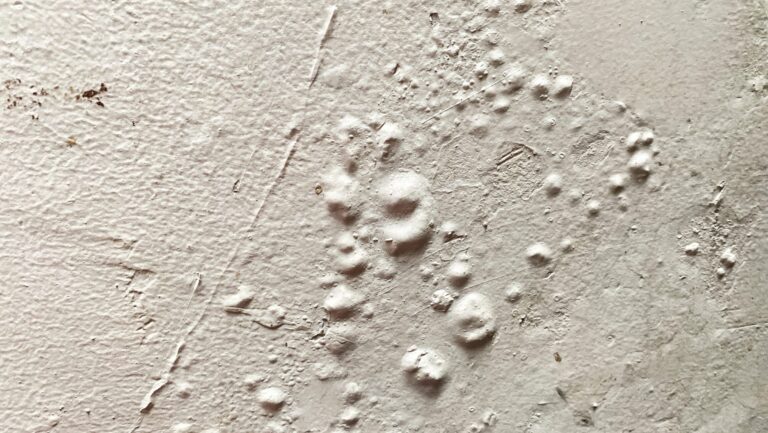
When a paint job begins to fail (peeling, bubbling, or cracking) it’s rarely just a cosmetic issue. More often, it’s a warning sign that something beneath the surface demands attention.
Water damage, especially, is among the most serious and costly problems a home can face. Broken pipes, roof leaks, poor sealing, and ground moisture can all allow water to infiltrate walls over time, weakening materials, causing surfaces to warp or crack, and quietly compromising a home’s integrity from the inside out. It’s one of the leading causes of property insurance claims in the state, and it is one of the most significant drivers of reduced home value. Early detection is not just a smart precaution, but a necessity for Florida homeowners.
A fresh coat of paint might temporarily mask these problems, but it does nothing to stop the damage from progressing. Paint is a finishing layer, not a repair, and requires a sound, properly prepared surface to perform as intended. Applied over underlying damage, it will fail prematurely and leave the root cause untouched.
The right approach is always to identify and address the source of the problem first. That means thorough inspection followed by proper preparation: cleaning, sanding, priming, and repairing imperfections before a single drop of paint is applied.
Paint is more than a finishing touch; it’s a protective layer that plays a meaningful role in preserving a home’s appearance, value, and longevity. But it works best as part of a larger system, one that includes honest assessment, proper preparation, and timely repair. The wiser move is to ask what’s underneath. Catching problems early, before they escalate, is almost always less expensive and less disruptive than addressing them after the damage has spread.
Because a well-maintained home doesn’t just look good, it stays structurally sound, safe, and protected for years to come.
Any content, resident submissions, guest columns, advertisements, and advertorials are not necessarily endorsed by or represent the views of Best Version Media LLC (BVM) or any municipality, homeowners associations, businesses, or organizations that this publication serves. BVM is not responsible for the reliability, suitability, or timeliness of any content submitted, inclusive of materials generated or composed through artificial intelligence (AI). All content submitted is done so at the sole discretion of the submitting party.