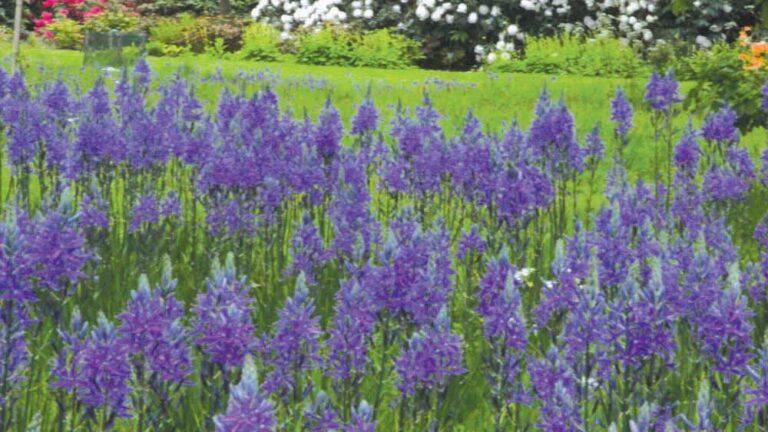
In a season defined by sunshine and longer days, summer in Gloucester invites us outdoors. Yet even as we step into nature, it’s easy to remain tethered to our devices as we check messages, take photos, and scroll through the very moments we’re meant to experience. What if this summer, we chose to step away from technology, even for a little while?
This doesn’t have to mean going completely off the grid. Sometimes, it simply begins with paying attention. In gardens, along walking paths, and even in our own backyards, a quieter world is constantly unfolding, one that rewards patience and presence. Pollinators are at the heart of that world. Bees moving methodically from bloom to bloom, butterflies drifting through the air, and other beneficial insects quietly sustaining the ecosystems around us. These small but vital creatures support not only the beauty of our landscapes but also the health of our food systems and local environment. And yet, they’re often overlooked, noticed only when we slow down enough to see them. Gloucester offers countless opportunities to reconnect in this way, from parks and trails to thoughtfully designed garden spaces. At Brent and Becky’s, visitors can experience this up close. The display gardens are designed to attract pollinators throughout the growing season, creating a living, ever-changing landscape where bees and butterflies are part of the experience. Walking the garden paths without distraction, it becomes easy to notice the hum of activity, the movement between blooms, and the intricate relationships that sustain the natural world.
For families, these moments often turn into something more. A child pausing to watch a bee gather pollen or following a butterfly across a path isn’t just an observation, it’s discovery. Without screens competing for attention, curiosity takes the lead, and learning happens organically. These shared experiences—simple, unstructured, and grounded in nature—can become some of the most memorable parts of a summer day. While pollinators can be observed in the gardens most days, programs like the
Pollinator Passport, held from June 15–20 at Brent and Becky’s, encourage visitors to explore, observe, and interact with the environment in a hands-on way. Rather than rushing from one activity to the next, participants are invited to slow their pace, notice details, and deepen their understanding of the natural systems at work around them. This kind of engagement doesn’t require expertise, only attention. Whether it’s recognizing the difference between a bee and a butterfly, noticing which flowers attract
the most activity, or simply sitting quietly and observing, these small acts reconnect us with the rhythms of the season.
Choosing to slow down and engage in the moment, even briefly, can shift the way we experience summer. It allows us to step out of distraction and into awareness, to trade constant updates for quiet observation. In doing so, we not only gain a deeper appreciation for pollinators and the role they play in our environment, but also rediscover a sense of calm, curiosity, and connection that often gets lost in the noise. This summer, Brent and Becky’s offers more than just a place to visit. It offers a chance to notice what’s been there all along.
3 Butterflies to Watch for in Gloucester Gardens
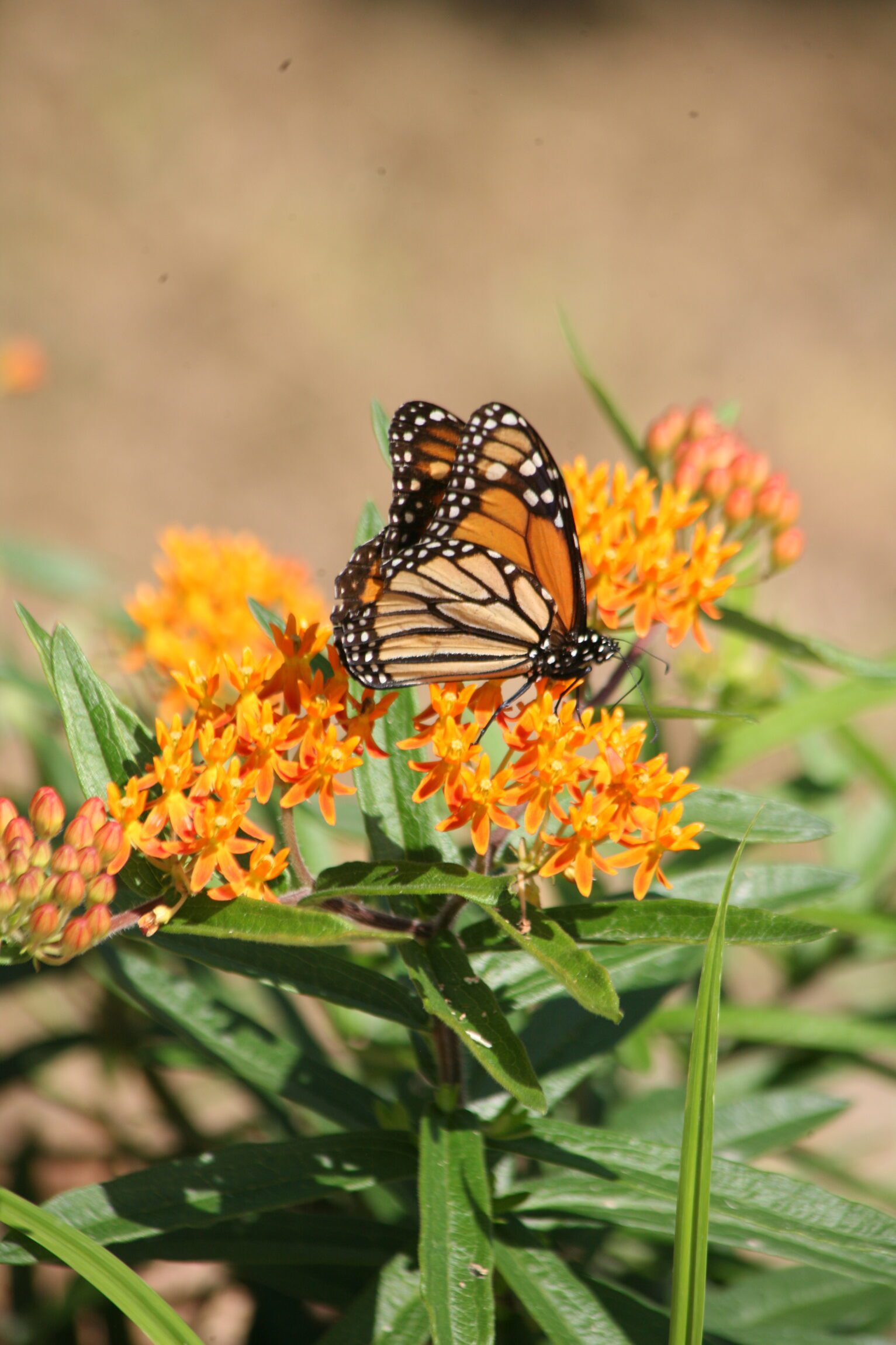
Monarch
(Photo by Denise Hutchins)
Recognizable for their bright orange wings with black veins, monarchs rely on milkweed
and are often seen drifting through early summer gardens. Their slow, graceful flight
makes them easy to spot and a favorite for all ages.
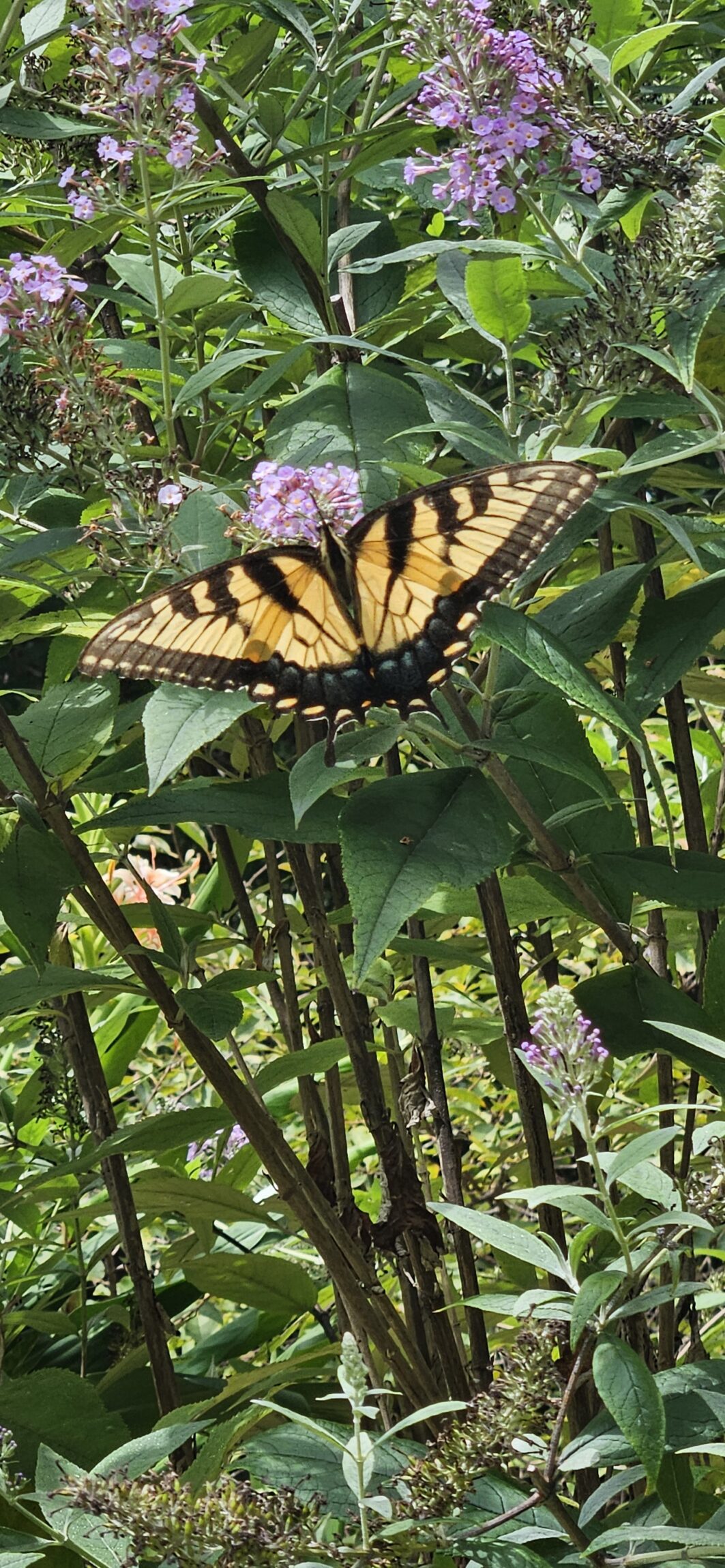
Eastern Tiger Swallowtail
(Photo by Denise Hutchins)
Large and striking, these yellow butterflies with bold black stripes glide between nectar-
rich blooms like coneflowers and phlox. Their size and gentle movement make them
one of the easiest butterflies to observe.
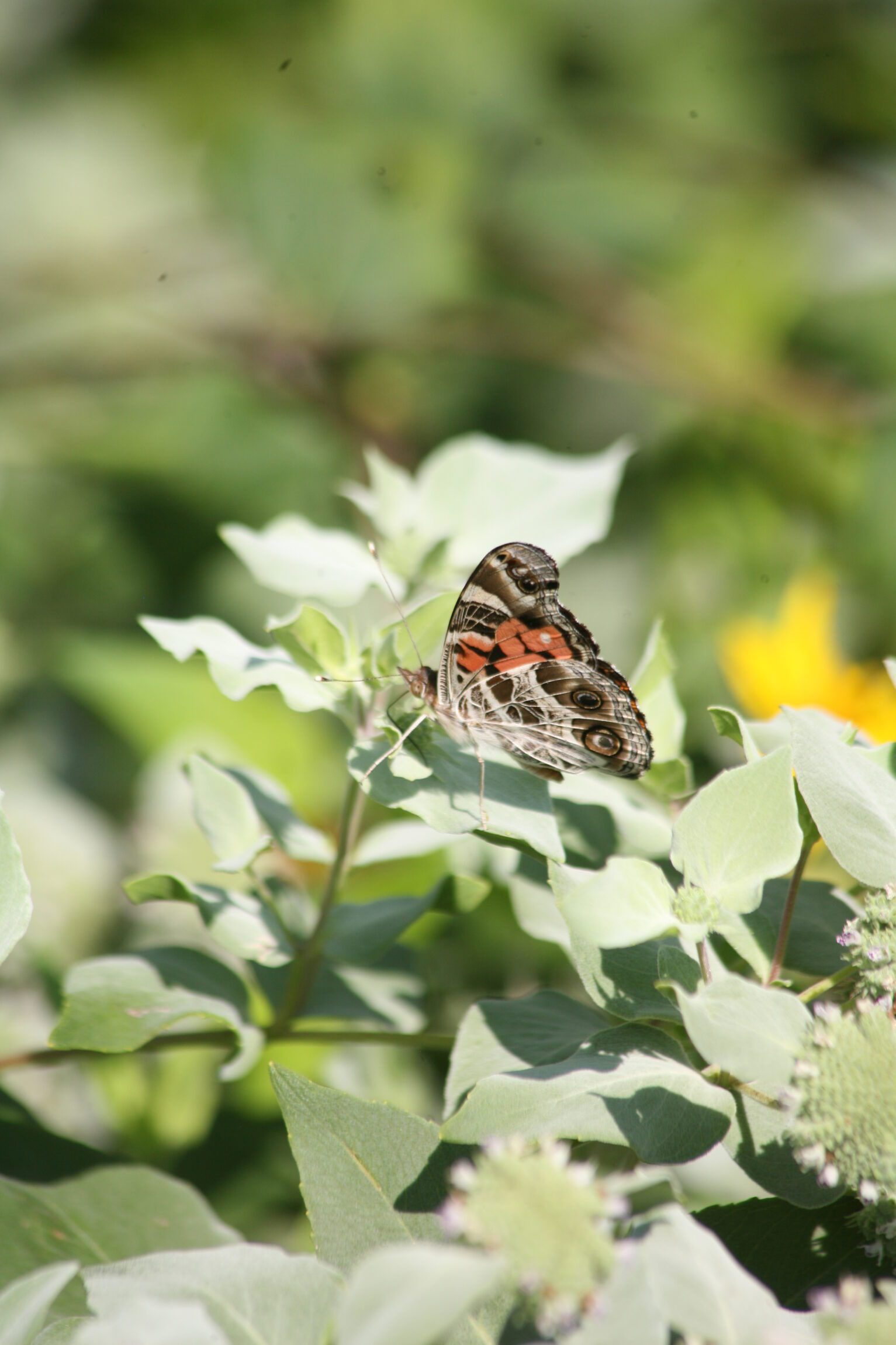
American Lady
(Photo by Denise Hutchins)
A warm orange butterfly marked by small eyespots, the American Lady is commonly
found in sunny garden spaces. Look for them visiting nectar sources like asters and
other summer blooms, adding quick flashes of color as they move.
Tip: Look for butterflies on warm, sunny mornings when garden activity is at its peak.
Any content, resident submissions, guest columns, advertisements, and advertorials are not necessarily endorsed by or represent the views of Best Version Media LLC (BVM) or any municipality, homeowners associations, businesses, or organizations that this publication serves. BVM is not responsible for the reliability, suitability, or timeliness of any content submitted, inclusive of materials generated or composed through artificial intelligence (AI). All content submitted is done so at the sole discretion of the submitting party.