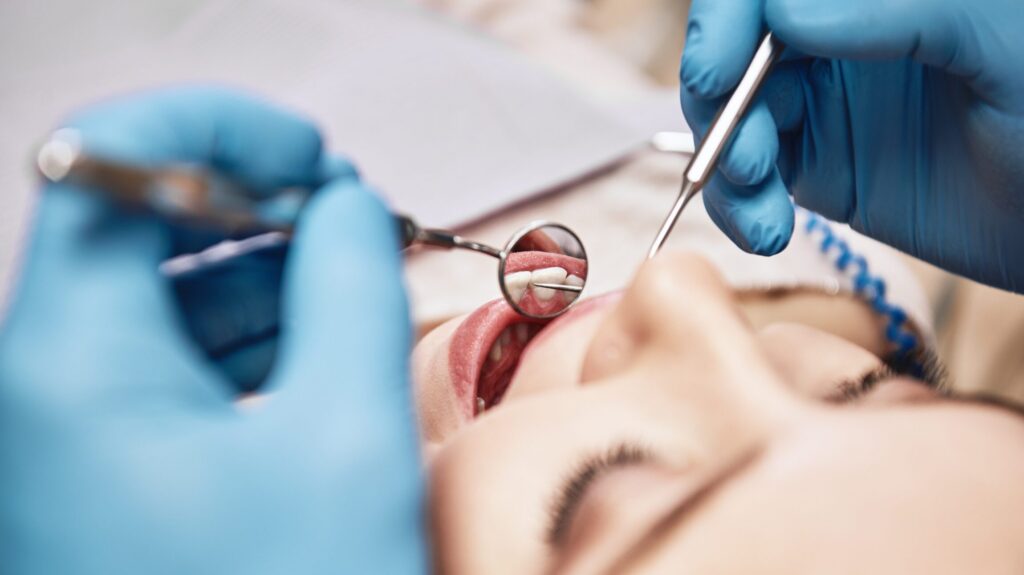
A comprehensive oral exam is about much more than checking for cavities. These routine visits play an important role in identifying early warning signs, monitoring changes over time, and helping patients protect both their oral and overall health.
One of the biggest misconceptions is that pain is the first sign of a dental issue. In reality, pain is often a late-stage symptom. Many common problems, including cavities, can develop quietly without noticeable discomfort. Decay frequently forms between teeth or beneath existing fillings—areas that are difficult to see and easy to miss without professional tools. During a comprehensive exam, dental X-rays can detect these issues early, often allowing for simpler, less invasive treatment.
Oral exams can also reveal concerns that go beyond your teeth and gums. The mouth is closely connected to the rest of the body, and dentists are often among the first healthcare providers to notice signs of broader health conditions. For example, acid erosion on teeth may indicate acid reflux or digestive issues. Other findings, such as gum inflammation, may be linked to systemic conditions like diabetes or cardiovascular health. Dentists may also identify signs of teeth grinding, clenching, or even sources of chronic headaches.
Another critical component of a comprehensive oral exam is oral cancer screening. Early signs can be subtle and easy to overlook, including small red or white patches, persistent sores, or changes in tissue. During an exam, the dentist evaluates the tongue, cheeks, throat, and surrounding areas to detect anything unusual. Early detection significantly improves outcomes, making regular check-ups an important part of preventive care.
A typical comprehensive oral exam includes a review of your medical and dental history, an evaluation of your teeth and gums, periodontal measurements, bite and jaw assessment, oral cancer screening, and dental X-rays when needed. Existing dental work is also examined to ensure it remains in good condition. Following the exam, findings are discussed and, if necessary, treatment options are outlined based on your individual needs and preferences.
For patients who feel anxious about visiting the dentist, it’s important to know that modern dental care places a strong emphasis on comfort and communication. Open discussions, personalized care, and a supportive environment can make a significant difference in the overall experience.
Regular dental exams are a simple but powerful way to stay ahead of potential problems and maintain long-term health. Even if it has been a while since your last visit, taking that first step can help prevent more complex issues down the road.
Any content, resident submissions, guest columns, advertisements, and advertorials are not necessarily endorsed by or represent the views of Best Version Media LLC (BVM) or any municipality, homeowners associations, businesses, or organizations that this publication serves. BVM is not responsible for the reliability, suitability, or timeliness of any content submitted, inclusive of materials generated or composed through artificial intelligence (AI). All content submitted is done so at the sole discretion of the submitting party.