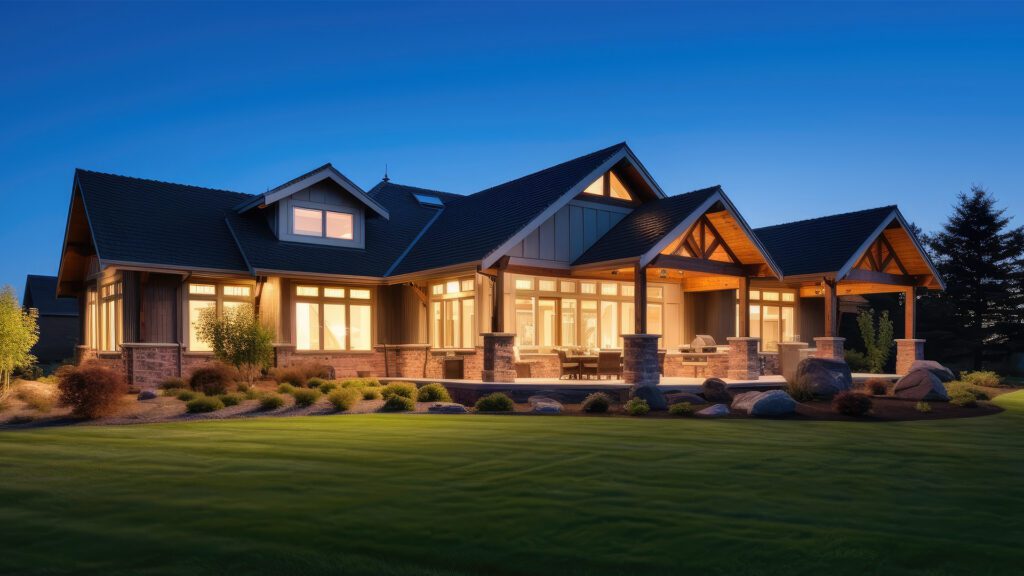
For many older adults in the North End and throughout the Puget Sound, home is more than just a place to live. It is where children were raised, holidays were celebrated, memories were created, and breathtaking views are still enjoyed. The desire to remain there for as long as possible is understandable. However, there is often a question that goes unasked – will your home continue to support your needs over the next five to ten years?
One of the biggest concerns for older adults is fall prevention. The good news is that many of the biggest hazards can be improved with simple fixes. Removing loose rugs, improving lighting, installing handrails, and reducing clutter can all increase safety significantly. Bathrooms are often the most dangerous rooms in a house because of the potential for wet surfaces. Grab bars, walk-in showers, and comfort-height toilets can all be safety upgrades at a fairly affordable price point.
The ease of mobility is related to fall prevention but warrants separate discussion. Stairs may become difficult to navigate due to age, injury, or health conditions. The location and access points for the essential spaces like bedrooms, bathrooms, kitchen, and laundry room are also important considerations. If they are not easy to get to, thought needs to be given to what would make them accessible.
Beyond just safety, it is important to consider the ongoing costs and responsibilities that come with maintaining a home. There are often recurring expenses for landscaping, maintenance, appliance servicing and replacement, and other projects that can arise without warning. Attempting to tackle these tasks yourself might seem like a way to save money, but it can also increase the risk of falls, injuries, or costly mistakes. As homes age, especially in the Pacific Northwest, maintenance needs and their associated expenses often increase. By planning ahead and honestly assessing things, you can make informed decisions about what your current home will require to continue to serve you in the years ahead.
Lastly, and perhaps most importantly, consider your support system. Family, friends, neighbors, faith communities, and local organizations can all play a vital role in helping people successfully age in place. Your ability to stay socially connected is just as important as maintaining a safe home environment.
The goal of this thought exercise isn’t to decide today where you’ll live ten years from now. It is to start a conversation before a fall, illness, or unexpected event forces a decision. For some people, the right answer may be home modifications. For others, it may be downsizing, moving closer to family, or exploring a retirement community. Regardless of what works for you, the best decisions are usually made in advance, when there is ample time to thoughtfully evaluate all of the options available. After all, aging in place isn’t really about staying in the same house forever. It’s about maintaining independence, safety, and quality of life where you call home.
Any content, resident submissions, guest columns, advertisements, and advertorials are not necessarily endorsed by or represent the views of Best Version Media LLC (BVM) or any municipality, homeowners associations, businesses, or organizations that this publication serves. BVM is not responsible for the reliability, suitability, or timeliness of any content submitted, inclusive of materials generated or composed through artificial intelligence (AI). All content submitted is done so at the sole discretion of the submitting party.