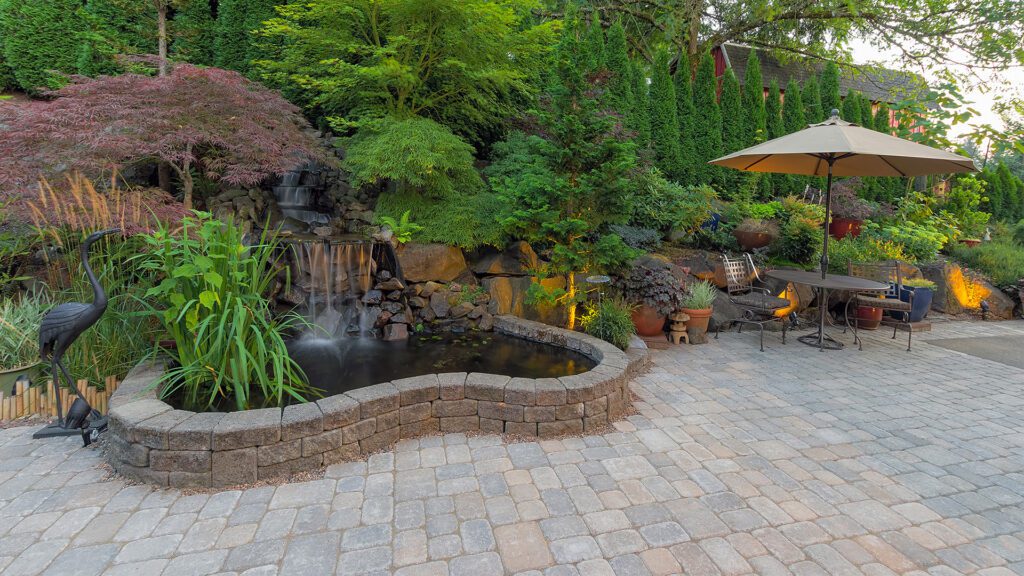
As temperatures rise and outdoor living becomes a daily routine, homeowners begin to notice how their patios, walkways, and other hardscape features respond to summer conditions. From heat retention to surface wear, the warmest months can reveal important insights about the functionality, comfort, and durability of outdoor spaces.
One of the most common concerns is why hardscape surfaces feel so hot during summer. Materials such as concrete, stone, and brick naturally absorb heat from direct sunlight. Darker colors and smooth finishes tend to retain that heat longer, which can make patios and walkways uncomfortable to walk on during peak afternoon hours. This is especially noticeable in areas with little shade or airflow.
Another frequent question is whether extreme heat can cause damage to hardscapes. The answer is yes. High temperatures cause materials to expand, and over time, this repeated expansion and contraction can lead to small cracks, shifting pavers, or uneven surfaces. These issues are more likely to occur when proper spacing, base preparation, or drainage is lacking.
Safety is also a major concern during the summer months. Increased water use from sprinklers, rainstorms, and pool activity can make surfaces slippery. Without proper maintenance, algae and mildew can form, creating hazardous conditions. Regular cleaning and correct grading help prevent water from pooling and reduce the risk of sips and falls.
Summer also puts hardscapes to the test in terms of long-term durability. With more outdoor gatherings, heavier foot traffic, and constant use, weaknesses often become more noticeable. Loose pavers, unstable steps, and worn edges tend to reveal themselves during this season, making it an ideal time for homeowners to assess what may need repair or reinforcement.
Finally, summer offers a real-life view of how outdoor spaces truly function. Homeowners begin to notice traffic patterns, seating placement, shade coverage, and overall surface comfort. These observations provide valuable insight into what improvements could enhance both usability and enjoyment.
Understanding how hardscapes respond to summer conditions allow homeowners to make informed decisions that improve safety, comfort, and longevity, while getting the most out of their outdoor living spaces.
Any content, resident submissions, guest columns, advertisements, and advertorials are not necessarily endorsed by or represent the views of Best Version Media LLC (BVM) or any municipality, homeowners associations, businesses, or organizations that this publication serves. BVM is not responsible for the reliability, suitability, or timeliness of any content submitted, inclusive of materials generated or composed through artificial intelligence (AI). All content submitted is done so at the sole discretion of the submitting party.