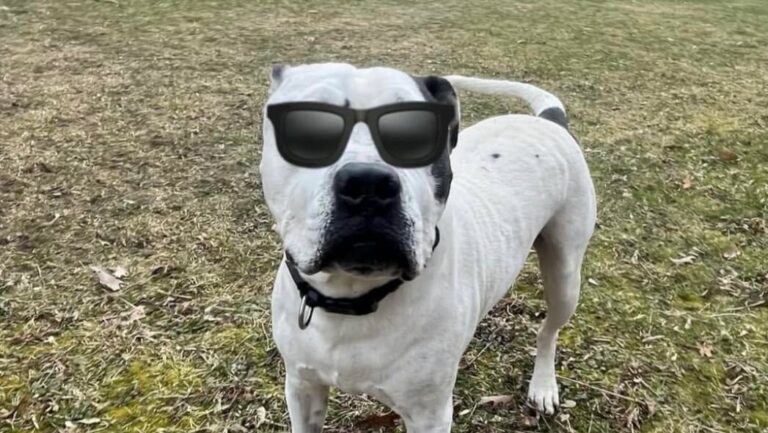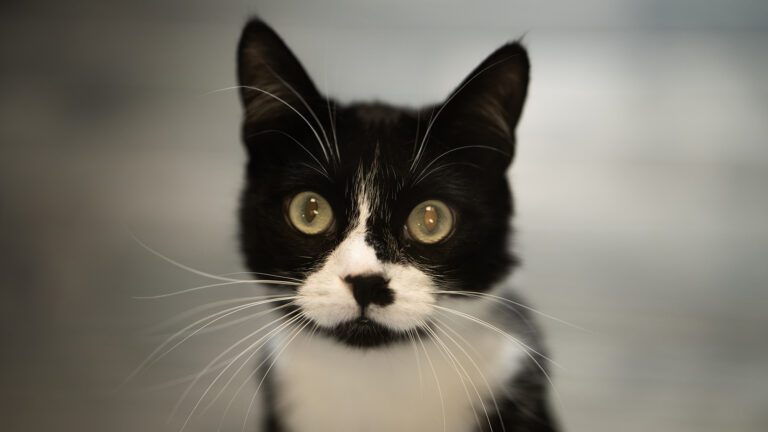
More and more we are seeing pets with anxiety coming in to the clinic for their veterinary visits. This is due to a combination of genetics, previous negative experiences, lack of socialization, loud noises and unfamiliar smells, and increased awareness of the signs of fear and anxiety.
As health care professionals, it tears at our hearts to see our patients so fearful and panicked when all we are trying to do is help them. Within the confines of the veterinary clinic itself, measures such as playing calming music, utilizing safe handling techniques, providing high value food rewards, and keeping dogs and cats in separate rooms are employed. However, many patients benefit from the use of pre-visit sedation prior to coming into the clinic.
Most pre-visit sedatives, are actually anxiolytics, rather than sedatives. This means that they are aimed at reducing the fear and anxiety, rather than just making your pet feel sleepy. Some pet parents are resistant to using these medications because they don’t want their pet to be “drugged”. These medications when prescribed responsibly are very safe though. Imagine if your doctor needed to examine you when you were in a high state of fear, you didn’t understand what they were doing, you didn’t speak their language, and you already weren’t feeling well. The experience would reinforce your fears and create traumatic memories.
Pre-visit sedation is administered several hours before leaving to come into the clinic for the appointment so that your pet is in a clam state for the car ride. It will help to prevent negative associations with the veterinary experience. It also allows for a more accurate physical examination. Fear causes an elevated temperature, heart rate, blood pressure, and masks pain and lameness. It also can prevent a thorough physical exam if your pet reacts aggressively when they are fearful. If your pet is calm, collecting diagnostics samples will be easier and the results more accurate.
A panicked pet may bite, scratch or be very combative and injure themselves or the veterinary team. Managing the fear ahead of time will keep everyone safe and prevent more aggressive restraint measures. Reducing fear also has been shown to lead to better anesthesia outcomes. Keeping the catecholamines associated with anxiety at baseline prevents negative blood pressure and heart rate consequences. It also lowers the doses of general anesthesia.
The most common medications used for fear free visits are Gabapentin and Trazodone. In challenging cases, other medications may be piggy backed onto these drugs. Cats, especially benefit from Gabapentin to not only make their vet visit less stressful, but the car ride to and from more comfortable.
If you pet experiences car sickness, this may add to the anxiety associated with the veterinary visit. Medication is also available to manage that to enhance the overall positive experience.
Please do not feel embarrassed to ask your veterinarian for pre-visit sedation for your pet, and do not feel offended if your veterinarian advises it. It is a sign of love and compassion for the welfare of your pet and the bond between you and your pet and the health care team.
Any content, resident submissions, guest columns, advertisements, and advertorials are not necessarily endorsed by or represent the views of Best Version Media LLC (BVM) or any municipality, homeowners associations, businesses, or organizations that this publication serves. BVM is not responsible for the reliability, suitability, or timeliness of any content submitted, inclusive of materials generated or composed through artificial intelligence (AI). All content submitted is done so at the sole discretion of the submitting party.