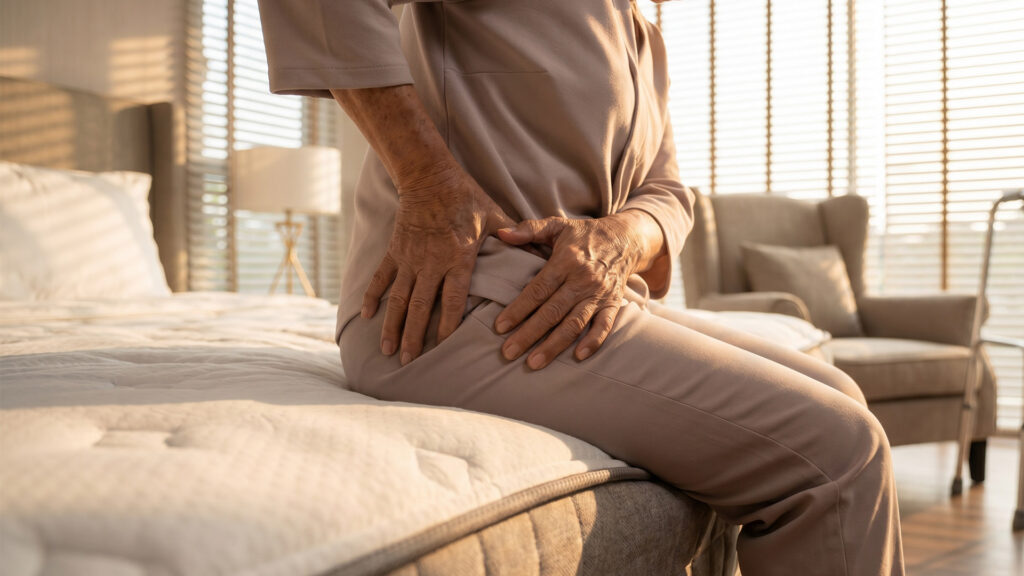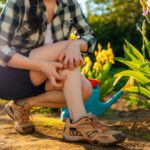
Do you spend your day sitting or being sedentary? Maybe you have difficulty kneeling or getting down to the floor? Once on the floor, do you have trouble getting back up, or do you have to rely on someone to assist you? Or, have you had to crawl to the nearest piece of furniture and haul yourself up with your arms?
You may be a victim of Dead Butt Syndrome, or DBS. No joke. It’s real, and it has detrimental consequences.
Strong hips are foundational to a functional body. Hips move you about the world. Hips get you out of the chair or out of the car. When out for a walk, hips and legs do much of the work. For ease of daily living, hip strength and hip mobility are imperative. And, sadly, without hip strength, you’ll most often have some level of discomfort in your body.
If you’re concerned about your ability to sit, stand, and move to the floor (yes, everyone should be able to get on and off the floor), a certified professional can more specifically determine hip or lumbo-pelvic strength and mobility by watching how your back, hips, and knees move during a squat. Other measures of hip strength and vitality include single-leg balance tests, a tandem walk assessment, and timed stand and sit tests.
It’s relatively easy to get a baseline measure of hip function with a Squat Assessment. It’s likely one of the most beneficial tests offered, and it gives feedback about how well you move within the three platforms of the body. To do this test, you move through a series of squats, and notes are made about how you move.
What happens after the tests?
Most often, the hips are strengthened via a basic series of mat-based exercises that improve strength in the gluteus medius and gluteus maximus, often the two most underactive muscles that contribute to DBS. Hip exercises include clamshells, prone hip extension moves, hip bridges, and side-leg raises. Once strength is gained, more progressive exercises, called reactive activation exercises, can be added, and this next level trains your muscles for function in all three planes of motion. In addition, working with a Structural Integration Practitioner to seek bodywork for help with fascial re-draping and postural exercises improves everyday awareness. And don’t forget taping! Applying athletic or fabric tape in specific configurations helps to enhance carry-over between sessions.
Getting stronger also depends on your level of effort and attention to adherence. Almost everyone feels stronger and moves about with noticeable ease within a few months of beginning to exercise.
Does aging have anything to do with DBS?
As a board-certified professional, I have found one thing to be true. If there’s no dedication to staying fit (no matter your age), then yes, vitality and strength decrease. But it’s also my experience that regardless of age, if you desire to become stronger, you can and you will. Truly, it’s never too late to begin, and regardless of age, muscles and joints respond positively to exercise.
Don’t wait. Get an assessment of your hip vitality. Don’t believe that things will improve without good, well-designed exercises and faithfulness to their regular performance. In other words, there’s no reason to suffer from Dead Butt Syndrome…it’s indeed curable. And, once you start feeling the difference in how you move and how you feel, stay active to stay vital, strong, and healthy.
Any content, resident submissions, guest columns, advertisements, and advertorials are not necessarily endorsed by or represent the views of Best Version Media LLC (BVM) or any municipality, homeowners associations, businesses, or organizations that this publication serves. BVM is not responsible for the reliability, suitability, or timeliness of any content submitted, inclusive of materials generated or composed through artificial intelligence (AI). All content submitted is done so at the sole discretion of the submitting party.