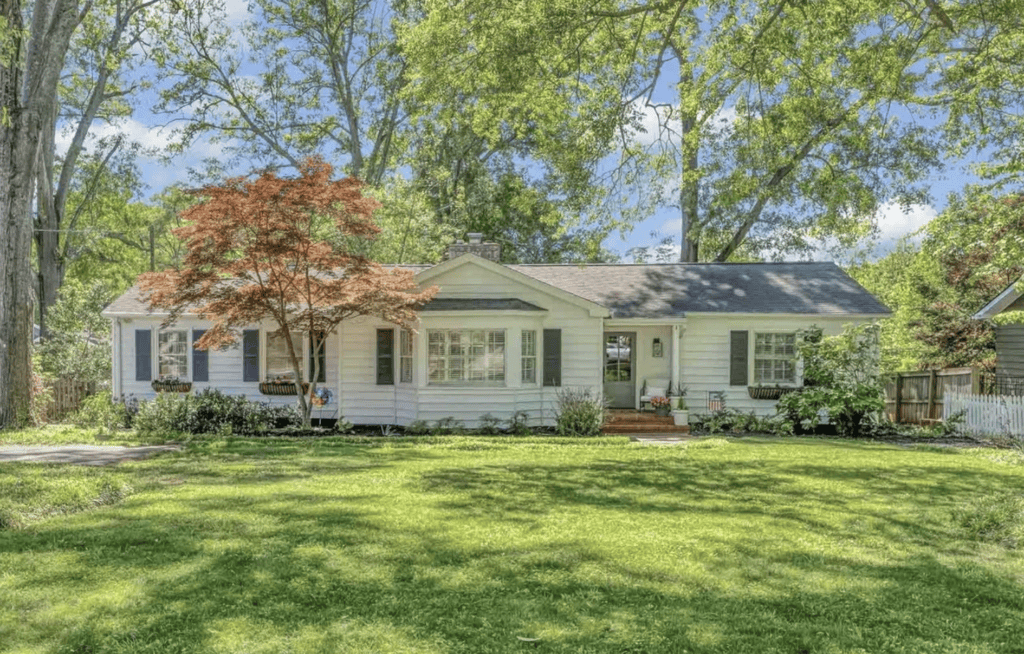
July in the Upstate is beautiful, marked by long afternoons on the porch and vibrant backyard gatherings. However, any local homeowner knows that our high-summer humidity also brings sudden, violent afternoon thunderstorms. While these quick downpours offer a temporary break from the heat, they pose a significant, invisible threat to our neighborhood’s defining feature: our historic, towering tree canopy.
As the owner of Stone’s Tree Service & Stump Grinding, I routinely see the aftermath of these summer storms. Many homeowners view tree care as purely reactive, calling a crew only after a massive oak limb has already crashed through a slate roof, a detached garage, or a custom outdoor kitchen. But for those who value property longevity and safety, true tree management is entirely proactive.

(Submitted by Christian Stone)
During the summer months, a mature tree carries an immense amount of physical weight. It is not just the heavy timber; the dense canopy of green leaves catches the wind like a massive sail, transferring thousands of pounds of pressure down the trunk during high-wind events. If a tree has internal structural weaknesses, such as hollow cores, root rot from our damp clay soils, or large dead branches tucked high in the canopy, the sudden, twisting forces of a July thunderstorm can cause catastrophic failure. Brittle species like Red Maples and Tulip Poplars are especially vulnerable to sudden limb drops over driveways and roofs.
The Homeowner Canopy Audit: Signs Your Trees Need an Inspection
To protect your property, take a walk through your yard this week and look closely for these key indicators of structural compromise:
- The V-Shaped Vicious Split: Look at where major trunks fork. A clean, rounded “U” shape is structurally strong. A tight, compressed “V” shape indicates a weak, included bark joint that acts like a wedge, making the tree highly prone to splitting in high winds.
- Leaning and Ground Heaving: A tree that has grown naturally at an angle over decades is usually stable. However, a sudden, new lean, or cracked, lifting soil and exposed roots at the base of the trunk, means the foundational root system is actively failing.
- Fungi and Decay at the Base: The presence of large mushrooms, bracket fungi, or “conks” growing directly out of the bark or around the root flare is an immediate red flag. It indicates internal wood rot hidden deep inside the heartwood.
- Deadwood in the Crown: Look up into the canopy. If you see large, bare branches completely stripped of leaves or featuring brittle, peeling bark, those limbs are severe liabilities waiting to drop during the next storm.
Our team approaches canopy management with clinical precision. We specialize in tight-space residential removals and crane-assisted work designed to dismantle hazardous trees piece by piece, protecting your manicured turf and established landscaping from heavy equipment impact.
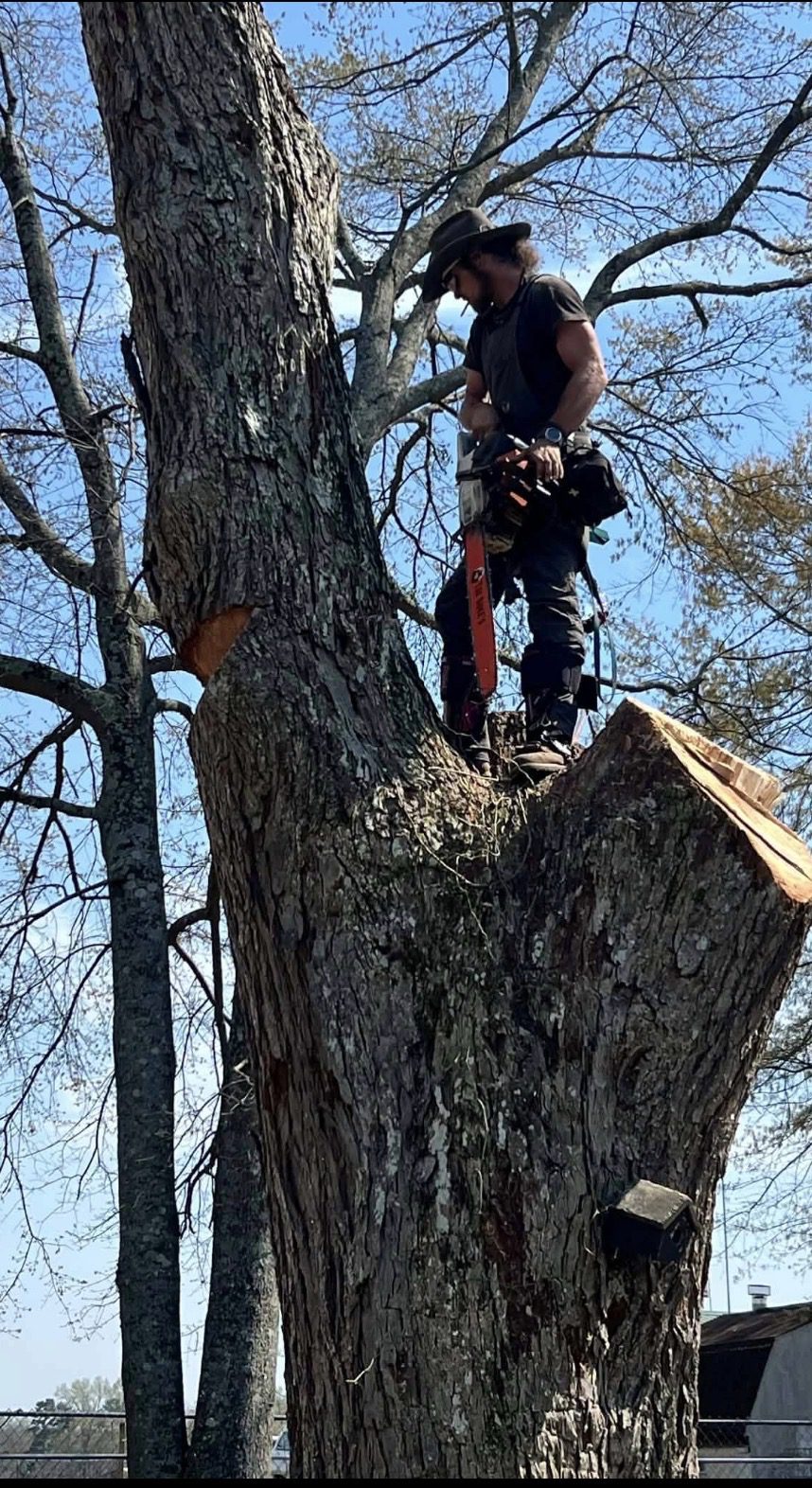
(Submitted by Christian Stone)
By identifying internal decay or structural liabilities before the peak storm season hits, we can safely mitigate risks. Sometimes, a tree simply needs safety deadwooding or structural pruning to reduce wind resistance and weight over your home. Other times, a graceful, controlled removal is the only way to protect your family and your property investment. Do not wait for a midnight emergency to check your trees’ health. Contact Stone’s Tree Service & Stump Grinding today for a comprehensive canopy evaluation, and let’s ensure your property is fully protected for the seasons ahead.
Any content, resident submissions, guest columns, advertisements, and advertorials are not necessarily endorsed by or represent the views of Best Version Media LLC (BVM) or any municipality, homeowners associations, businesses, or organizations that this publication serves. BVM is not responsible for the reliability, suitability, or timeliness of any content submitted, inclusive of materials generated or composed through artificial intelligence (AI). All content submitted is done so at the sole discretion of the submitting party.