Most people hear the words “long-term care” and picture assisted living, a nursing facility, or full-time medical support. Those are certainly part of the conversation, but that wasn’t what it looked like for me.
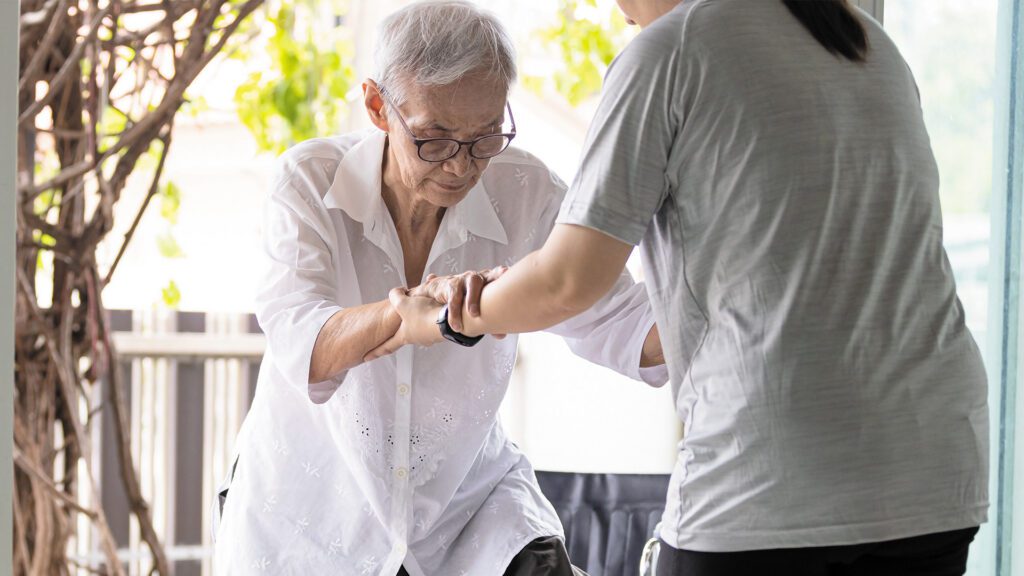
For me, it started with a major medical event that changed what day-to-day life looked like for my mom. It triggered existing conditions and suddenly she could no longer drive or walk outside of the house without assistance. As an only child, there wasn’t really a discussion or a handoff. I always knew this responsibility would eventually be mine. What caught me off guard was where it happened on my own journey map.
I had just started what felt like my dream job. In my mind, there were still another three to five years before driving would become an issue for Mom. Suddenly there were questions I hadn’t considered yet. How would this impact work? How much time would appointments, errands, and day-to-day support begin to take? What happens when the timing of life no longer lines up with the timing of the plan?
At first, I thought these were things I could simply schedule into my day. What I missed was that those errands were never just errands for Mom. They were activity, independence, and connection to the outside world. Mom is part of that generation that likes to shop, walk every aisle, look around, and make an outing out of it. She rarely made lists or planned out trips. If she needed something, she would get in the car and go. My role became more than helping with tasks. It was being present at appointments, helping navigate decisions, and understanding what those routines meant to her emotionally.
I think that’s where the everything else begins for many families. Care is often viewed as something far down the road, tied to later stages of life. But in reality, it can begin quietly through small adjustments that slowly reshape everyday life. Those moments raise questions people may not think to ask early enough. Who steps in? What changes need to happen? Is the emotional impact being considered alongside the financial one?
When I think back to the beginning of this journey, I realize the biggest challenge was not the responsibility itself. It was assuming there was still more time before Mom’s timeline and my own began to overlap. That overlap changed parts of my own routine, priorities, and career path in ways I had never really stopped to consider.
Over time, I also realized Mom needed connection and independence beyond just me. Eventually, I found activities and outings that helped her reconnect with some of those things in a different way. The people are closer to her age, and honestly, I think sometimes she needs a break from me too.
Along the way, I started to understand long-term care differently. For us, it was triggered by a major medical event, but the care itself unfolded through the everyday changes that followed. Routines, relationships, independence, transportation, those became the everything else. Those were the parts of the journey I thought we still had more time to plan for.
Any content, resident submissions, guest columns, advertisements, and advertorials are not necessarily endorsed by or represent the views of Best Version Media LLC (BVM) or any municipality, homeowners associations, businesses, or organizations that this publication serves. BVM is not responsible for the reliability, suitability, or timeliness of any content submitted, inclusive of materials generated or composed through artificial intelligence (AI). All content submitted is done so at the sole discretion of the submitting party.