Most people have heard some version of the same explanation for nerve pain: “A nerve is being pinched.”
Sometimes that’s true. But modern pain science has revealed a much more interesting story.
Think of your nervous system like a home security system. When it’s working properly, it alerts you when there’s a genuine threat. But what happens when the system becomes overly sensitive? Suddenly the alarm goes off when the wind blows, a squirrel runs across the yard, or a leaf lands on the porch.
Your nervous system can behave the same way.
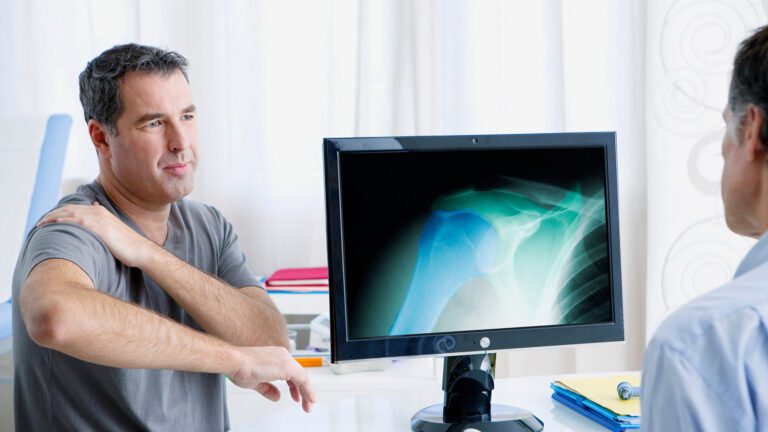
When a nerve becomes irritated – whether from arthritis, a disc issue, an injury, or prolonged stress – the body responds by becoming more protective. Over time, the nervous system can become increasingly sensitive, causing symptoms such as burning, tingling, numbness, shooting pain, or weakness.
Here’s the surprising part: sometimes the sensitivity remains even after the original tissue has improved.
This helps explain why two people can have identical MRI findings yet experience completely different symptoms. It also explains why some people continue to hurt despite being told that “everything looks fine.”
The encouraging news is that nerves are not static structures. They are living, adaptable tissues that respond to movement, exercise, sleep, stress management, and targeted rehabilitation. In fact, research increasingly shows that helping the nervous system feel safe again may be just as important as addressing the original source of irritation.
For many people, recovery isn’t about finding a single structure to fix. It’s about calming an overprotective alarm system.
And once you understand that concept, nerve pain starts to make a lot more sense.
If you’ve ever wondered why symptoms seem unpredictable, why stress affects your pain, or why traditional treatment hasn’t fully solved the problem, you may be asking exactly the right questions.
Our team at Peak Performance Care is available to continue the conversation and answer any questions you may have. You can reach us at 209-532-1288 or info@peakperformancecare.com.
Any content, resident submissions, guest columns, advertisements, and advertorials are not necessarily endorsed by or represent the views of Best Version Media LLC (BVM) or any municipality, homeowners associations, businesses, or organizations that this publication serves. BVM is not responsible for the reliability, suitability, or timeliness of any content submitted, inclusive of materials generated or composed through artificial intelligence (AI). All content submitted is done so at the sole discretion of the submitting party.