
When a property looks move-in ready, it’s easy to take that at face value. Fresh paint and a well-staged interior can make any home feel inviting. But for professionals who specialize in water, fire, and structural damage restoration, a walkthrough often tells a very different story.
Whether you’re purchasing a property or preparing one for sale, knowing what lies beneath the surface can protect your investment and spare you from costly surprises after closing.
Moisture Is the Most Common Culprit
Water damage accounts for a significant portion of home insurance claims each year, and its evidence isn’t always obvious. Brown or yellow stains on ceilings are clear indicators, but subtler signs deserve equal attention: warped flooring, soft spots around toilets or tubs, and a persistent musty smell can all point to hidden moisture or mold behind walls and under subfloors.
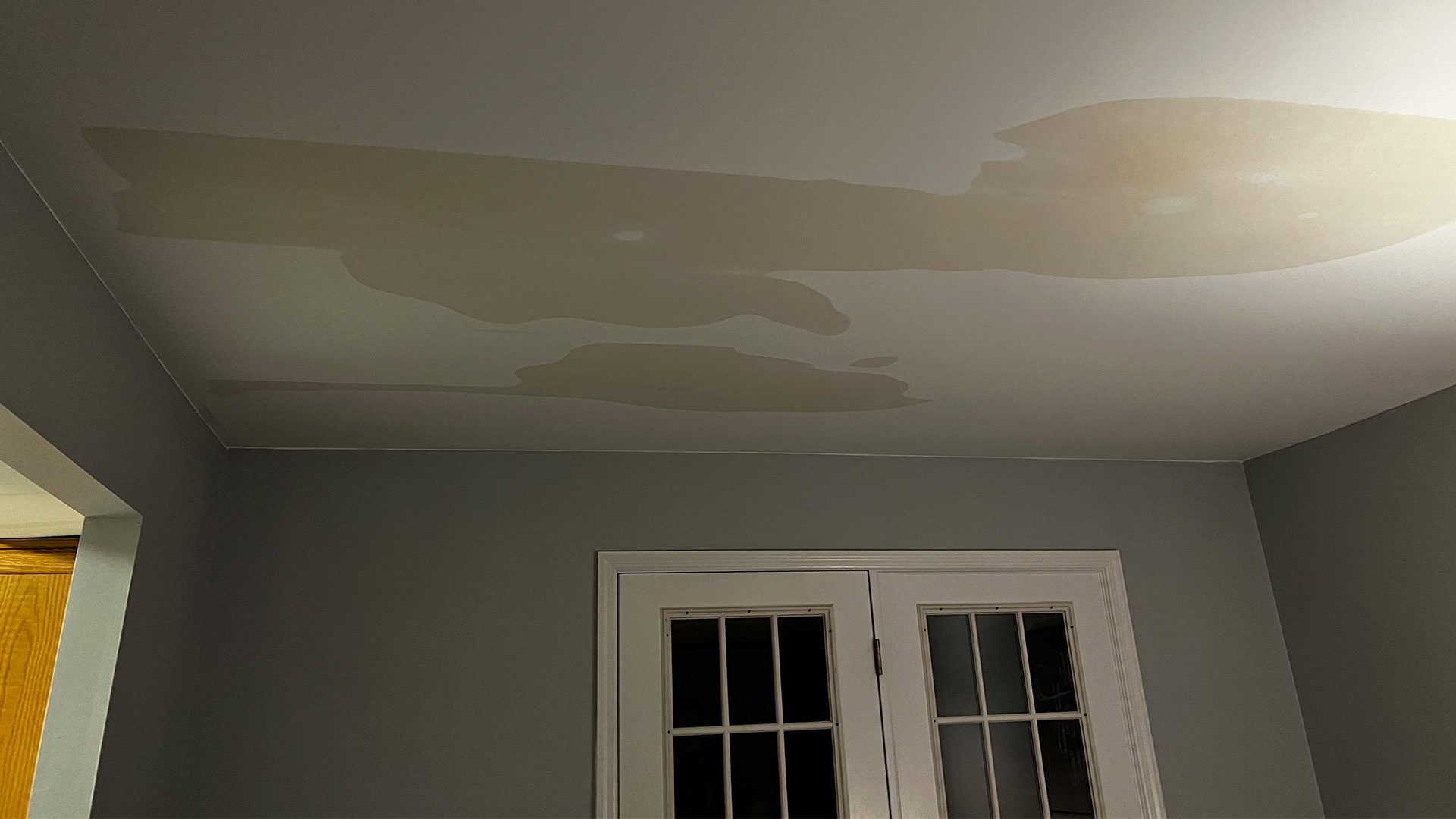
Isolated patches of fresh paint are worth scrutinizing as well. They can conceal prior staining from leaks or smoke damage. A restoration professional can often distinguish a routine touch-up from something more concerning.
Don’t Skip the Basement and Exterior
Basements and crawlspaces are frequently overlooked, yet they’re among the most telling parts of a home. White chalky residue on basement walls, called efflorescence, indicates moisture migrating through concrete. High humidity in these spaces, combined with an aging or backup-free sump pump, significantly raises flood risk.
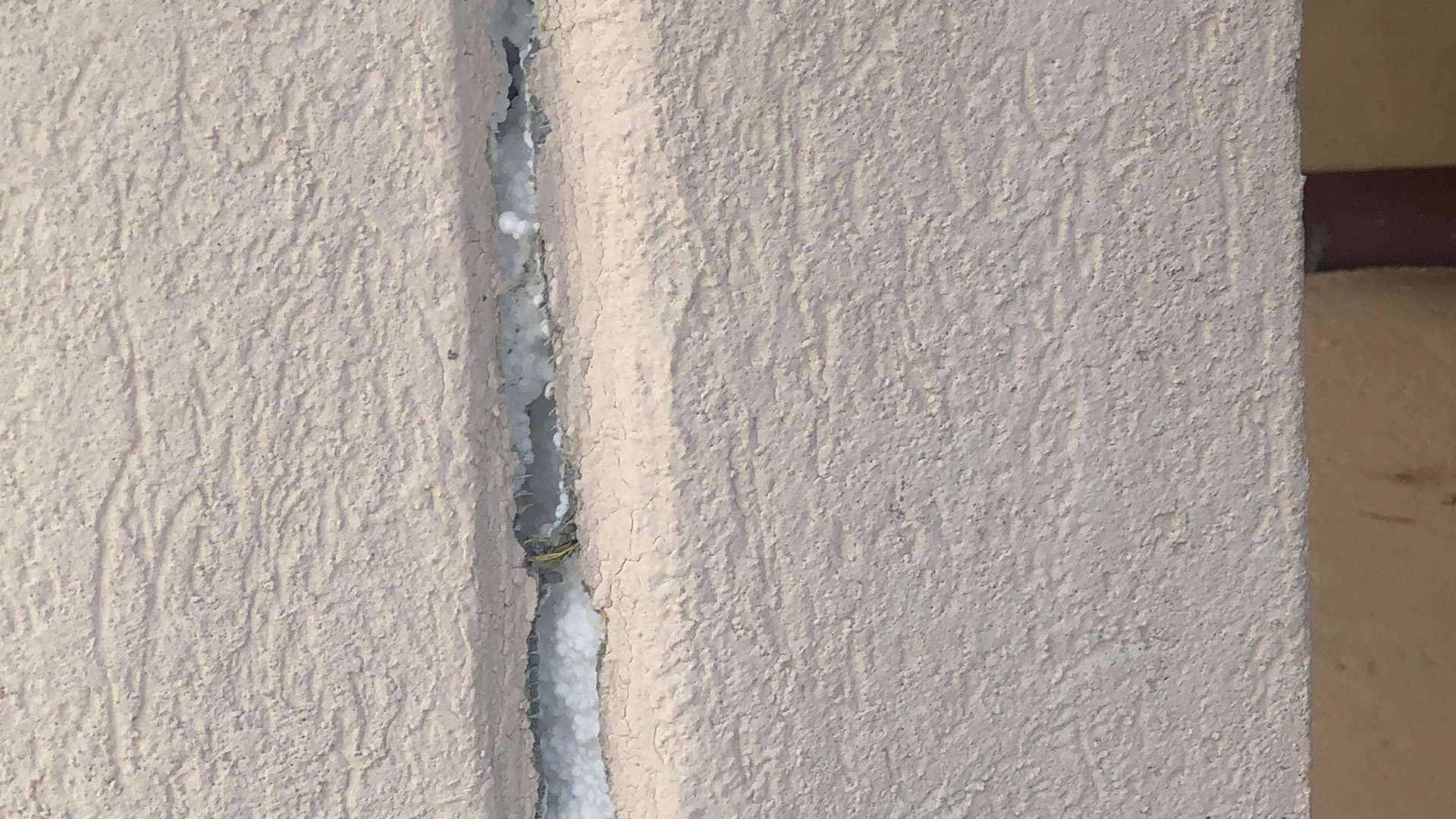
Outside, cracks in the foundation, rotting siding, sagging gutters, and aging shingles are more than cosmetic concerns. Roof failures are a leading cause of interior water damage, and poor drainage around the foundation can compromise structural integrity over time.
Fire and HVAC Issues Are Easy to Miss
Lingering smoke odors or scorch marks near electrical panels can signal prior fire damage that was never properly remediated. Dirty HVAC systems and poorly ventilated attics carry their own risks by circulating allergens and trapping moisture that accelerates roof deterioration from the inside out.
Ask the Right Questions
Buyers should request full disclosure on any prior water damage, mold remediation, or insurance claims. Ask about the age of the roof, HVAC, and water heater, and confirm that renovations were completed with proper permits. Unpermitted work frequently conceals problems a licensed contractor would have been required to address.
Sellers benefit from getting ahead of these questions. Unresolved moisture issues or cosmetic patches that haven’t been professionally addressed will surface during inspection usually at the least convenient moment in a transaction.
Trust What You Observe
If something smells off, feels damp, or looks recently patched, it warrants a closer look before contracts are signed. The most well-maintained homes have nothing to hide. The ones that do often show it if you know where to look.
Any content, resident submissions, guest columns, advertisements, and advertorials are not necessarily endorsed by or represent the views of Best Version Media LLC (BVM) or any municipality, homeowners associations, businesses, or organizations that this publication serves. BVM is not responsible for the reliability, suitability, or timeliness of any content submitted, inclusive of materials generated or composed through artificial intelligence (AI). All content submitted is done so at the sole discretion of the submitting party.