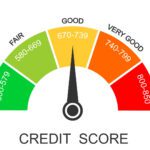
August is home to National Financial Awareness Day, making it a great time to take a fresh look at your financial health. While there are plenty of ways to do that, one of the simplest—and most overlooked—is reviewing your credit.
Your credit report can tell you much more than whether you have good credit. It can help you spot errors, identify potential fraud, and better understand your overall financial picture. Here are five things you may not know about your credit report.
1. Checking your own credit won’t hurt your score.
This is one of the biggest myths about credit. When you review your own credit report or credit score, it’s considered a soft inquiry, which has no impact on your score. In fact, checking it regularly is one of the best ways to stay informed.
2. Your credit report and your credit score aren’t the same thing.
Think of your credit report as your financial history and your credit score as the grade that’s calculated from it. Reviewing your report helps you spot issues before they become bigger problems.
3. Credit monitoring isn’t just for identity theft.
Monitoring your credit can alert you to much more than fraudulent accounts. It can also notify you when:
- Your credit score changes
- A new account is opened in your name
- A lender checks your credit
- Information on your report changes
4. Children can be victims of identity theft, too.
It may be hard to believe, but minors are often attractive targets because they typically won’t apply for credit for many years. Parents and guardians can request a security freeze to help prevent someone from opening accounts in a child’s name.
5. Know what to look for.
You’re entitled to a free credit report from each of the three major credit reporting agencies through AnnualCreditReport.com. When reviewing your report, pay close attention to:
- Accounts you don’t recognize
- Incorrect personal information
- Late payments reported in error
- Duplicate accounts
- Credit inquiries you didn’t authorize
Financial awareness isn’t about checking a box once a year. It’s about building habits that help you make informed decisions and protect your financial future.
One final tip: Before signing up for a separate credit monitoring service, take a look at what your bank already offers. Many financial institutions now include credit score tracking, monitoring alerts, and personalized credit insights as part of their online or mobile banking experience. Having those tools built into the same place you manage your money can make it easier to stay engaged with your financial health all year long.
Any content, resident submissions, guest columns, advertisements, and advertorials are not necessarily endorsed by or represent the views of Best Version Media LLC (BVM) or any municipality, homeowners associations, businesses, or organizations that this publication serves. BVM is not responsible for the reliability, suitability, or timeliness of any content submitted, inclusive of materials generated or composed through artificial intelligence (AI). All content submitted is done so at the sole discretion of the submitting party.