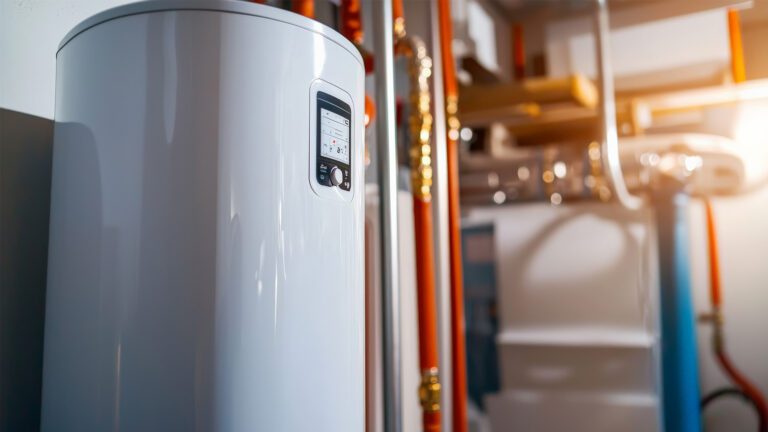
Most homeowners don’t think about their water heater until something goes wrong. Tucked away in a closet, garage corner, or basement, it quietly does one of the hardest jobs in the house: heating thousands of gallons of water year after year without much attention.
But when a water heater fails, it rarely happens at a convenient time. It is usually in the morning that someone gets a cold shower or, worse, the day a leak turns the floor into a puddle.
After two generations in the plumbing trade, I can tell you that many of those problems are preventable. A simple annual checkup can help protect the equipment, improve efficiency, keep energy costs in check, and reduce the chance of an emergency repair. Here’s what that maintenance includes and why it matters especially here on Long Island.
Traditional Tank Water Heaters
If you have a standard tank water heater, there are three key things to check each year.
1. Flushing the tank. Minerals in the water settle at the bottom of the tank as sediment. On a gas unit, that sediment acts like insulation between the burner and the water, forcing the heater to work harder to do the same job. That can mean higher energy bills and can also cause the rumbling or popping sounds homeowners sometimes hear from an aging unit. Flushing the tank helps clear out that buildup.
2. Checking the anode rod. This is the part many homeowners have never heard of, but it plays an important role. The anode rod is a “sacrificial” metal rod designed to corrode before the steel tank does. Once it is used up, the tank itself can begin to rust from the inside. Replacing a worn anode rod is relatively inexpensive and can add years to the life of the water heater.
3. Testing the safety valve. The temperature-and-pressure relief valve helps protect the tank from dangerous pressure buildup. If it is seized, corroded, or not working properly, it should be replaced. During a maintenance visit, we also confirm that the thermostat is set to around 120°F, which is hot enough for household use while helping reduce the risk of scalding and unnecessary energy use.
Tankless Water Heaters
Tankless water heaters are efficient, compact, and known for providing steady hot water. They can also last up to 20 years, but only if they are maintained properly. The most important step is annual descaling. Mineral scale builds up on the heat exchanger, which is one of the most expensive parts of the unit. If that buildup is left alone, it can reduce water flow, lower efficiency, trigger error codes, and eventually damage the system.
Annual maintenance also matters for warranty protection. Many major manufacturers, including Rinnai, Navien, Noritz, and Rheem, require documented service to keep the warranty valid. Skipping maintenance can lead to denied claims and costly repairs down the road.
Why It Matters More on Long Island
Long Island’s drinking water comes from the aquifer beneath us, and in many areas of Nassau and Suffolk, that water contains minerals that contribute to sediment and scale. Because of that, water heaters here can develop buildup faster than they might in areas with softer water.
For Long Island homeowners, annual service is not overcautious. It is smart preventive maintenance.
The Bottom Line
Your water heater is one of the hardest-working and most overlooked appliances in your home. A modest annual checkup can help keep it efficient, extend its life, protect the manufacturer’s warranty, and spare you from the stress of a flooded basement or cold-shower emergency.
The best time to schedule service is early fall, before winter increases hot-water demand. If it has been more than a year since anyone looked at your water heater, now is the time to put it on the calendar.
Your future self, standing in a warm shower on a January morning, will thank you.
Any content, resident submissions, guest columns, advertisements, and advertorials are not necessarily endorsed by or represent the views of Best Version Media LLC (BVM) or any municipality, homeowners associations, businesses, or organizations that this publication serves. BVM is not responsible for the reliability, suitability, or timeliness of any content submitted, inclusive of materials generated or composed through artificial intelligence (AI). All content submitted is done so at the sole discretion of the submitting party.