Fall is the best time of the year to plant grass seed; spring is good also, but second-best to fall seeding.
There is a 2-month window that works well to plant grass seed for fall growth (August 15th – October 15th). The soil is still warm during this time period; moisture is typically more available than most of the rest of the season, nights are cool, and daytime temperatures are moderating from the intensity that comes with summer.
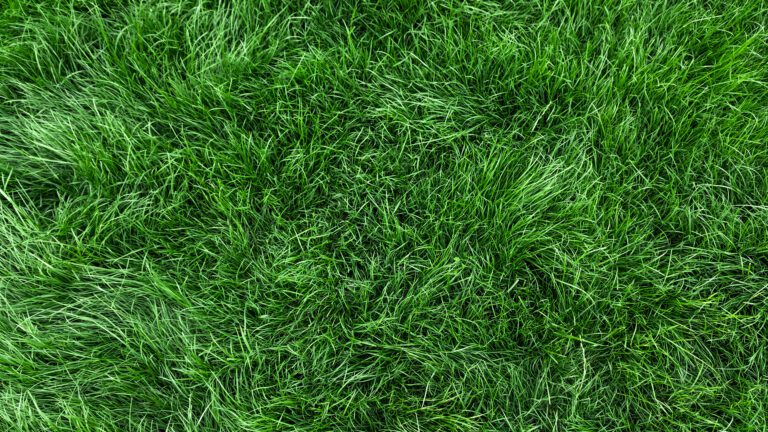
In south-central Pennsylvania, home lawn grass types that do well are Kentucky Bluegrass, Perennial Ryegrass, and Hybrid Tall Fescue. These are all known as “cool-season” grasses – thriving when conditions are cooler and moisture is adequate. They struggle during the summer months when summer heat and dry conditions prevail, but these grasses can rebound when cool, moist conditions return. All three seed types can be mixed together to establish a diverse stand of grass.
There are a number of mechanical processes that can be used to get the grass seed into the soil. It is important to get good “seed-to-soil” contact; this will lead to much more effective germination. Grass seed that settles into the thatch layer or even just laying on a hard soil surface will not germinate properly or not at all. Core aeration (hollow tines that pull a plug of soil up out of the lawn) is commonly used to loosen the soil surface, alleviating compaction, and providing some divots for seed to settle into. Aerovation is the use of a solid-tine aerator that vibrates and fractures the soil surface, and does not pull a plug of soil out. Slit-seeding involves using a machine that slices grooves in the soil (1/4” – ½” in depth) while seed is deposited, settling into these grooves. A double-pass of slit-seeding is often used to create a crisscrossing pattern of grooves to maximize the new grass filling in as it matures. Finally, nothing beats the ability to “hand-cultivate” small bare spots and edges of the lawn where machinery can’t quite reach. The “Garden Weasel” is the best tool around for this. Sometimes, multiple pieces of equipment and processes need to be used in conjunction with each other to get the seed in contact with soil and maximize results.
After all the work to get plenty of grass seed into the areas that need it, an application of a good quality “starter-fertilizer” is recommended – to give the young seedlings proper nutrition for a vigorous start.
Watering in the first few weeks following seeding can be extra helpful in getting the seed to germinate. Frequent, light waterings are best; no need to water deeply, as the grass seed is right at the surface. Bare spots that have been seeded respond best if the seed is covered with straw or another suitable covering. This covering helps hold some moisture on the seed and helps deflect some of the intensity of late summer sunshine.
Any content, resident submissions, guest columns, advertisements, and advertorials are not necessarily endorsed by or represent the views of Best Version Media LLC (BVM) or any municipality, homeowners associations, businesses, or organizations that this publication serves. BVM is not responsible for the reliability, suitability, or timeliness of any content submitted, inclusive of materials generated or composed through artificial intelligence (AI). All content submitted is done so at the sole discretion of the submitting party.