As summer transitions into fall in Southeast Wisconsin, property owners often focus on seasonal routines: yard cleanup, school schedules, and preparing for colder weather. What is less visible, but far more important from a property protection standpoint, is how many costly winter damage events are set in motion during the fall season.
In our experience working with property damage situations across residential and multi-family buildings, most significant winter-related losses do not begin in winter conditions. They begin weeks earlier in the fall when small maintenance issues are overlooked or delayed.
One of the most common patterns we see involves water intrusion tied to drainage failure. Fall brings frequent rainfall combined with heavy leaf drop. When gutters and downspouts become obstructed, water has nowhere to go except where it was never intended to be. We frequently see basement seepage or foundation moisture issues that trace directly back to simple blockages that went unaddressed. Ensuring clear gutters and proper drainage away from the structure is one of the most effective preventative steps a property owner can take.
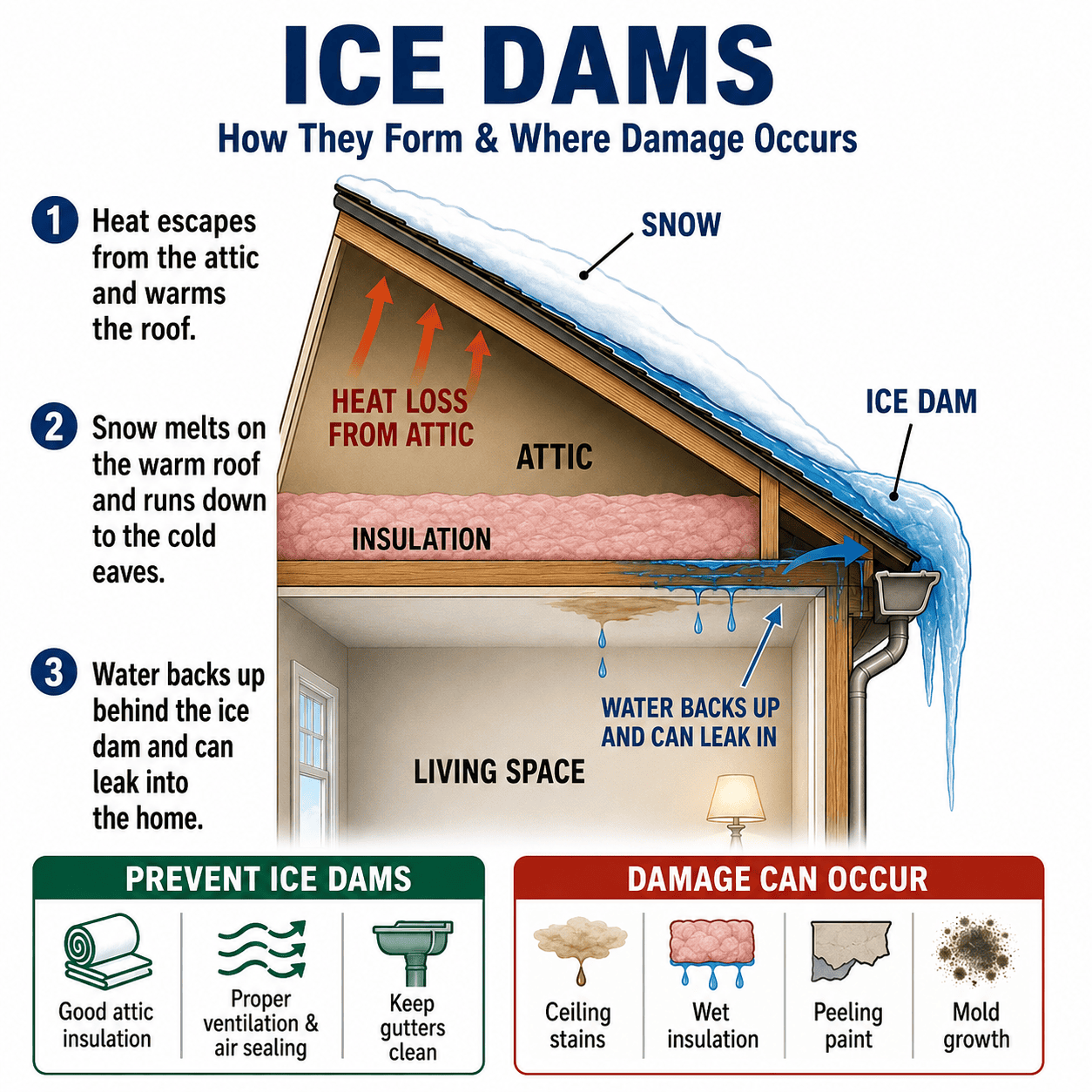
Roof systems are another critical area where fall conditions reveal underlying vulnerabilities. Small issues such as lifted shingles, worn flashing, or minor seal failures often go unnoticed until snow and ice arrive. Once freeze-thaw cycles begin, those small gaps become entry points for moisture. In many cases, ice dam formation is not the initial problem; it is the result of earlier ventilation or insulation inefficiencies that existed long before winter weather exposed them.
(Provided by Paul Winter)
Heating systems also transition back into heavy use during this time of year. After months of minimal operation, furnaces, chimneys, and ventilation systems can accumulate dust, wear, or unnoticed mechanical strain. We often see system failures or safety concerns that could have been prevented with basic seasonal servicing before sustained cold temperatures arrive.
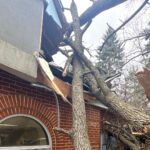
Exterior conditions also play a larger role than many property owners realize. Tree limbs that appear stable in calm weather can become significant hazards during fall wind events or early snowstorms. At the same time, unsealed gaps around windows and doors allow both cold air and moisture intrusion, which can compound into larger issues once temperatures drop further.
What is important to understand is that fall is not simply a transitional season; it is a compounding season. Small vulnerabilities do not remain small for long. Once winter conditions arrive, those minor issues often escalate into emergency situations involving water damage, structural repair, or heating system failure.
The most effective approach to fall readiness is not reaction; it is recognition. Recognizing where systems are beginning to weaken, where water is not properly controlled, and where seasonal stress is beginning to show allows property owners to address issues before they become costly losses.
In property damage work, timing is often the difference between prevention and restoration. Fall is the window where that timing still works in your favor.
Any content, resident submissions, guest columns, advertisements, and advertorials are not necessarily endorsed by or represent the views of Best Version Media LLC (BVM) or any municipality, homeowners associations, businesses, or organizations that this publication serves. BVM is not responsible for the reliability, suitability, or timeliness of any content submitted, inclusive of materials generated or composed through artificial intelligence (AI). All content submitted is done so at the sole discretion of the submitting party.