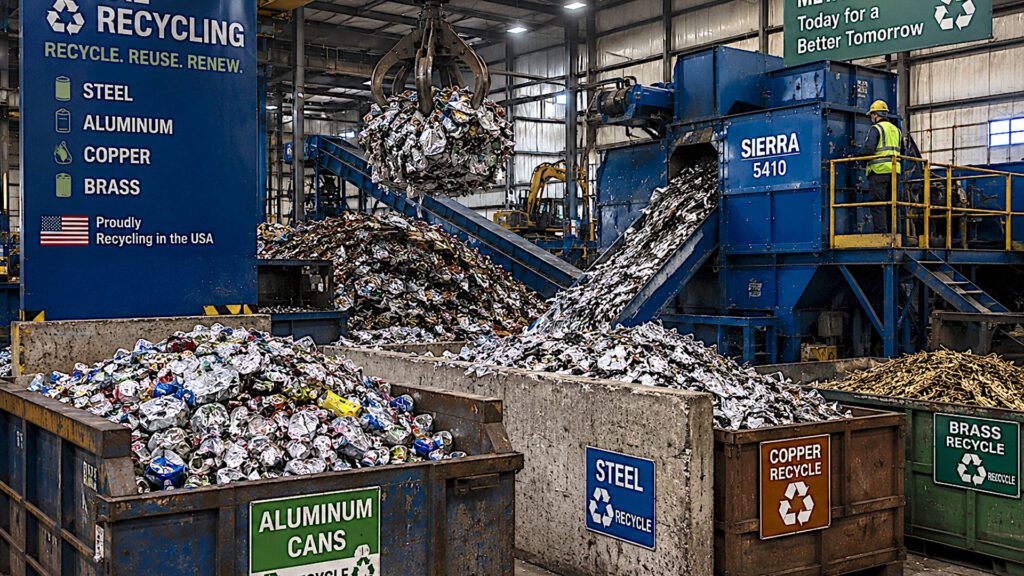
Recycling is one of the simplest ways to reduce waste and protect the environment, yet many people are confused by common myths about how it works. Misunderstandings can lead to contamination, wasted resources, and lower recycling rates. Learning the facts helps ensure that recyclable materials are processed correctly and given a second life.
One widespread myth is that all plastics can be recycled. In reality, not every type of plastic is accepted by local recycling programs. While plastic bottles and some containers are commonly recyclable, items such as plastic bags, straws, and certain food packaging often require special collection programs or cannot be recycled at all. Checking local recycling guidelines is the best way to know what is accepted.
Another common myth is that items do not need to be cleaned before recycling. Although containers do not have to be spotless, they should be emptied and lightly rinsed. Food residue can contaminate other recyclable materials, making entire batches more difficult to process.
Many people also believe that placing non-recyclable items in the recycling bin is harmless because recycling facilities will sort everything out. This practice, known as “wish cycling,” actually creates extra work, increases processing costs, and can damage recycling equipment. When in doubt, it is better to verify whether an item is recyclable rather than guessing.
The idea that pop tabs are more valuable than the aluminum beverage can is a common myth. It likely became popular because some charities have collected pop tabs as fundraising drives. Tabs are small, clean, and easy to store, making them convenient to collect. The tabs and cans are made from slightly different aluminum alloys. That makes the tab worth less in typically. If you’re recycling, it’s best to leave the tab attached to the can (or place it inside the can after removing it). This helps ensure both pieces are recycled together and reduces the chance of small tabs being lost during the sorting process.
Finally, some people think recycling is the only solution to waste. In fact, reducing consumption and reusing products are even more effective. Choosing reusable bags, bottles, and containers, repairing broken items, and purchasing products with minimal packaging can significantly reduce the amount of waste generated.
By understanding these common recycling myths, individuals can make better choices that support more effective recycling systems.
Small actions, combined with accurate information, help conserve valuable resources and contribute to a cleaner, more sustainable future for everyone.
Recycling Pays – Environmentally, Socially and Financially.
Any content, resident submissions, guest columns, advertisements, and advertorials are not necessarily endorsed by or represent the views of Best Version Media LLC (BVM) or any municipality, homeowners associations, businesses, or organizations that this publication serves. BVM is not responsible for the reliability, suitability, or timeliness of any content submitted, inclusive of materials generated or composed through artificial intelligence (AI). All content submitted is done so at the sole discretion of the submitting party.