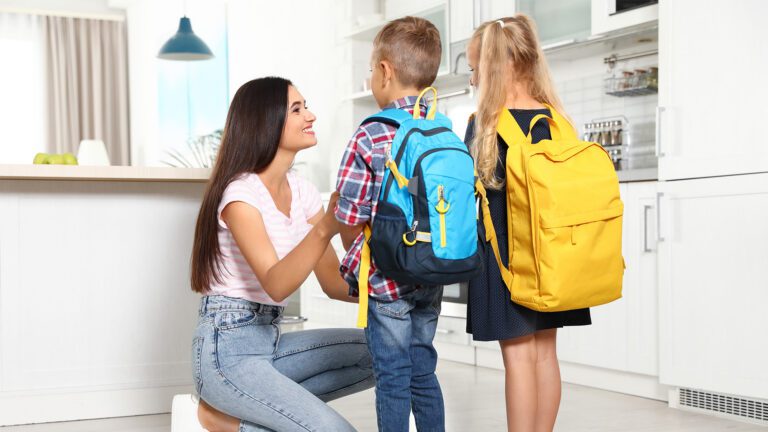
As summer comes to an end, families often begin preparing for the excitement of a new school year. Along with fresh school supplies and new routines, back-to-school season can bring a mix of emotions for children and parents alike. While many children look forward to seeing friends and meeting new teachers, others may feel nervous about the changes ahead.
Starting a new school year often involves adjusting to different schedules, expectations, environments, and social situations. Even positive changes can require time and energy to navigate. As children work through these transitions, parents may notice changes in behavior, mood, or daily routines.
Common signs that a child may be experiencing stress related to the transition back to school include:
- Increased irritability or emotional outbursts
- Difficulty falling asleep or staying asleep
- Clinginess or separation concerns
- Complaints of headaches or stomachaches
- Increased worries or frequent questions about school
- Fatigue after school or a greater need for downtime
- Changes in appetite or daily habits
The good news is that there are several ways families can help children feel more prepared and confident before the school year begins.
Start Routines Early
Children tend to do best when they know what to expect. Gradually adjusting bedtime, wake-up times, meal schedules, and morning routines one to two weeks before school starts can help ease the transition and reduce stress during the first days back.
Make School Feel Familiar
Visiting the school campus, driving the route to school, locating classrooms, or reviewing the daily schedule can help children feel more comfortable with what lies ahead. For younger children, reading books about starting school can also help introduce new experiences in a positive way.
Practice Everyday School Skills
Simple activities at home can help build confidence before the first day. Children may benefit from practicing skills such as opening lunch containers, using a backpack, organizing supplies, putting on jackets independently, or following a morning checklist.
Talk About Expectations
Conversations about school can help children process both excitement and uncertainty. Asking questions such as “What are you most excited about?” or “Is there anything you’re wondering about?” can create opportunities for children to share their thoughts and feelings.
Prioritize Sleep, Movement, and Downtime
Sleep, physical activity, and opportunities to relax all play important roles in helping children manage change. During the first few weeks of school, many children benefit from time to unwind after a busy day before jumping into additional activities or responsibilities. A regulation workout, or sensory diet, can help adjust emotions.
Heavy work, as we often refer to it, can help. Things like jumping jacks, wall push-ups, couch crashes, strong bear hugs, carrying or pushing heavy items (milk jugs or a grocery cart), or filling and carrying a heavy backpack can help add this type of input.
Remember That Adjustment Takes Time
Every child adapts differently. Some settle into new routines quickly, while others may need additional time and support. Temporary challenges during the first few weeks of school are common and often improve as children become more familiar with their new environment.
If concerns persist, become more intense, or significantly interfere with your child’s ability to participate at home, school, or in the community, it may be helpful to seek additional support from a pediatric professional.
As another school year begins, it’s important to remember that transitions are a normal part of growth. With preparation, consistency, and support, children can develop the confidence and skills needed to navigate change successfully. The start of a new school year brings opportunities to learn, grow, and build resilience, and every small step forward is worth celebrating.
Any content, resident submissions, guest columns, advertisements, and advertorials are not necessarily endorsed by or represent the views of Best Version Media LLC (BVM) or any municipality, homeowners associations, businesses, or organizations that this publication serves. BVM is not responsible for the reliability, suitability, or timeliness of any content submitted, inclusive of materials generated or composed through artificial intelligence (AI). All content submitted is done so at the sole discretion of the submitting party.