Electric vehicles are quickly shifting from a future concept to a present-day reality in neighborhoods across the country. What many homeowners don’t realize, however, is that the real transition isn’t just about the vehicle itself, it’s about whether the home is truly prepared to support it safely and efficiently.
One of the most common misconceptions is that any standard household outlet can fully support daily EV charging. While it is technically possible, it is often not practical for families with busy schedules. Charging through a standard outlet can take significantly longer and may place continuous strain on older home electrical systems that were never designed for today’s energy demands.
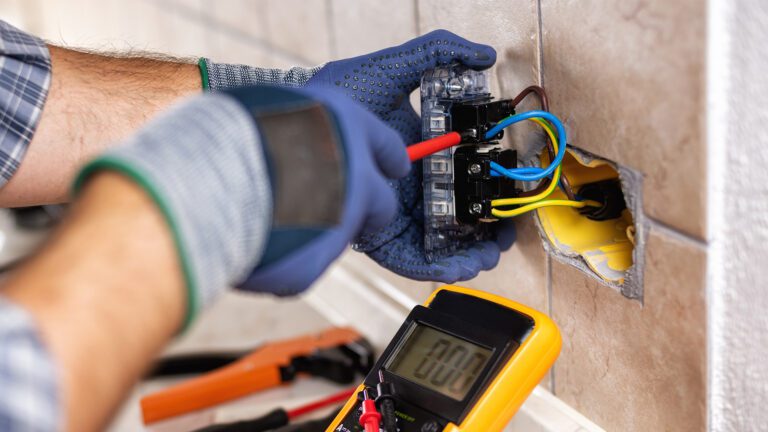
From an electrician’s perspective, the most important step in preparing for an electric vehicle is understanding the home’s existing electrical capacity. This includes evaluating the electrical panel, circuit load, and overall system condition. In many cases, homeowners are surprised to learn that their current setup may not safely support additional high-demand equipment without upgrades or adjustments.
One of the lesser-known aspects of this work is how quickly household energy needs have evolved. Homes are now expected to power multiple large appliances, remote work setups, smart home systems, and electric transportation all at the same time. This shift is reshaping how electrical systems must be designed and maintained.
A properly planned home charging setup can make a meaningful difference in daily life. Faster, more efficient charging helps reduce disruption to family routines while improving long-term electrical safety and reliability. The goal is not simply adding new technology, but ensuring the entire system works together safely and efficiently.
Looking ahead, the demand on residential electrical systems will continue to grow as more communities adopt electric transportation and energy-efficient technologies. Homes that are assessed and updated early will be better prepared for these changes, reducing unexpected issues in the future.
As this transition continues, electricians play an increasingly important role in helping families make informed, safe decisions about how their homes support modern living.
Any content, resident submissions, guest columns, advertisements, and advertorials are not necessarily endorsed by or represent the views of Best Version Media LLC (BVM) or any municipality, homeowners associations, businesses, or organizations that this publication serves. BVM is not responsible for the reliability, suitability, or timeliness of any content submitted, inclusive of materials generated or composed through artificial intelligence (AI). All content submitted is done so at the sole discretion of the submitting party.