There is a quiet confidence to a healthy smile. We’re not talking about the polished perfection of a billboard model, but the kind of smile that changes the way someone carries themselves in a room. It’s the kind of smile that can soften hesitation, the kind of smile that lets people laugh without thinking about their teeth.
For many families, orthodontics begins as a cosmetic conversation. Crooked teeth, spacing or alignment are the initial concerns. But increasingly, doctors and patients alike are understanding that orthodontic care is tied to something much larger: long-term health and function.
The mouth is not disconnected from the rest of the body. It is part of an integrated system. Bite alignment can affect jaw strain, speech patterns, airway health, chewing efficiency, and even the wear placed on teeth over decades of use. Small problems left untreated can compound over time, like a tiny wobble in the foundation of a home.
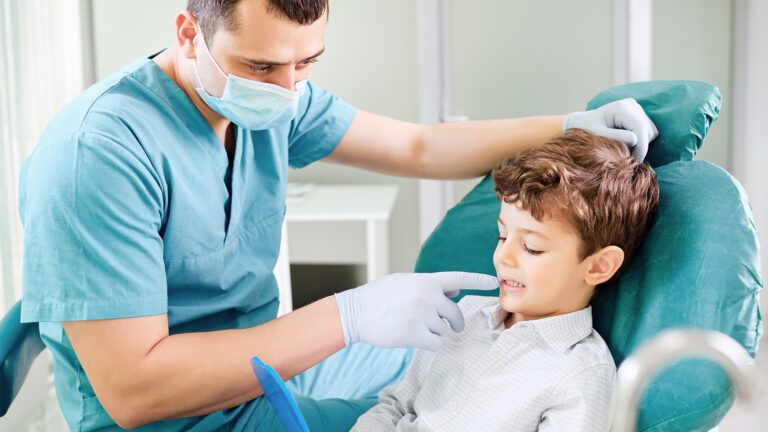
A properly aligned bite is often easier to clean and maintain, which can support healthier gums and reduce future dental and medical complications. For some patients, orthodontic treatment may also help relieve chronic tension caused by uneven pressure in the jaw. Parents are often surprised to learn that early evaluations can sometimes identify developing issues before they become larger and more expensive to correct later.
And then there is the human side of it. Confidence matters, especially during the vulnerable middle-school and teenage years when children are learning through interactions with others. Self-confidence is not only a concern in childhood; adults feel it too. Many patients who delayed treatment for years describe finally completing orthodontic care as emotional, as though they had quietly carried around self-consciousness for much longer than they realized.
Orthodontics is about more than straightening teeth. It is about creating harmony between appearance, health and function. A smile should feel like it belongs naturally to the person wearing it, not like a mask they are trying to maintain.
In a culture obsessed with quick fixes, orthodontics remains grounded as a healthcare treatment that improves patients’ quality of life over time. Orthodontics works gradually, tooth by tooth, appointment by appointment, with a plan tailored for each patient. It is less fireworks and more architecture.
And perhaps that is the point.
Long-term health is often built the same way beautiful communities are built: intentionally, patiently and with an eye toward the future.
Any content, resident submissions, guest columns, advertisements, and advertorials are not necessarily endorsed by or represent the views of Best Version Media LLC (BVM) or any municipality, homeowners associations, businesses, or organizations that this publication serves. BVM is not responsible for the reliability, suitability, or timeliness of any content submitted, inclusive of materials generated or composed through artificial intelligence (AI). All content submitted is done so at the sole discretion of the submitting party.