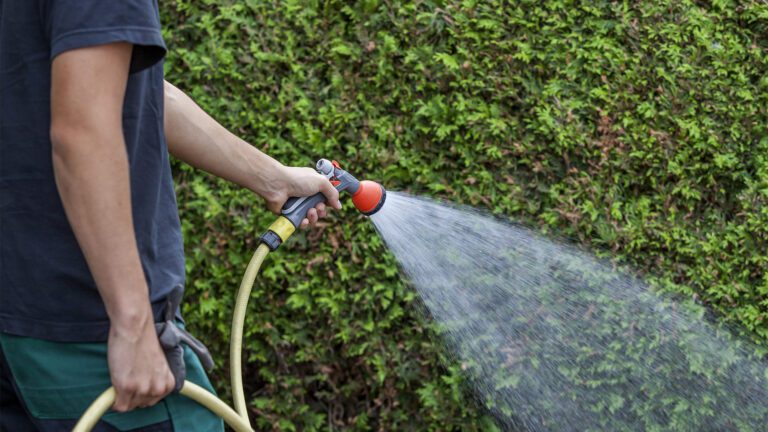
If your lawn has become thin, patchy, or worn over the summer, September offers the ideal opportunity to restore it. Warm soil temperatures combined with the likelihood of consistent rainfall create the perfect conditions for grass seed to germinate and establish strong roots before winter arrives.
Start by Addressing Weeds
Before seeding, take time to control any broadleaf weeds with a targeted herbicide application. Once the weeds die, they often leave bare spots that are excellent candidates for reseeding.

(Submitted by Jim Wollney)
The type of grass growing in your lawn will determine how those bare areas recover. In Kentucky bluegrass lawns, small patches—generally no larger than your fist—will often fill in naturally within a year with proper fertilization. Fine fescue lawns, however, behave differently. Because fine fescue is a clump-forming grass, it does not spread into bare areas on its own. Any open spaces should be overseeded to restore a full, even lawn.
Prepare the Soil for Success
Successful lawn renovation begins with good seed-to-soil contact. Grass seed germinates best when the soil is loose and friable rather than compacted.
For established lawns, core aeration is one of the most effective preparation methods. A core aerator removes small plugs of soil and turf, creating thousands of openings that improve air and water movement into the soil. The removed cores are left on the lawn, where they naturally decompose.
Immediately after aeration, broadcast grass seed evenly across the lawn. Some seed will settle directly onto exposed soil, some will fall into the aeration holes, and some may become a snack for birds. Fortunately, a pound of grass seed contains millions of seeds, so a small loss is rarely a concern. Seeding just before a forecasted rainfall further improves seed-to-soil contact and provides the moisture needed for rapid germination.
Protect Larger Bare Areas
Larger patches require additional protection to improve germination and reduce erosion.
A light covering of clean straw helps retain moisture while discouraging birds from feeding on newly sown seed. Even more effective are straw blankets, which hold the mulch in place and protect young seedlings during establishment.
Many straw blankets are manufactured with plastic netting intended to biodegrade over time. In practice, however, the netting often persists longer than expected and should be removed before mowing to prevent it from wrapping around mower blades.
An excellent alternative is a paper-based mulch product such as penn mulch. Made from recycled paper fibers with a small amount of starter fertilizer, the pellets expand when watered to form a protective mulch layer that helps retain moisture while supporting seed germination.
Choose the Right Seed Blend
Today’s improved turfgrass varieties offer excellent disease resistance, color, and durability. If you’re establishing a new lawn, you may choose either Kentucky bluegrass sod or a premium seed blend.
For sunny lawns, look for a mixture containing two or three improved varieties of Kentucky bluegrass combined with approximately 25 percent perennial ryegrass. This combination offers two significant advantages. First, perennial ryegrass germinates quickly, providing fast green cover while the slower-germinating Kentucky bluegrass becomes established. Second, perennial ryegrass contributes improved disease resistance, resulting in a healthier, more resilient lawn.
Even if your lawn was originally installed with Kentucky bluegrass sod, overseeding after aeration with a quality sunny lawn mix that includes perennial ryegrass can strengthen the turf and help reduce disease problems over time.
Many excellent blends are available at local lawn and garden centers. One outstanding example is Field of Dreams, a premium blend featuring two varieties of Kentucky bluegrass and two varieties of perennial ryegrass.
Feed New Seedlings Properly
Starter fertilizer plays a vital role in successful lawn establishment. A balanced fertilizer, such as 10-10-10, supplies nitrogen, phosphorus, and potassium to support healthy growth.
In Illinois, phosphorus may legally be applied to established lawns only when seeding. As the middle number in a fertilizer analysis, phosphorus encourages strong root development, giving young grass the foundation it needs to thrive.
Be careful not to overapply nitrogen. Excessive nitrogen promotes rapid top growth at the expense of root development, producing taller, weaker seedlings. Lawns growing in heavy shade require even less nitrogen because slower growth encourages stronger, healthier turf.
Water Wisely
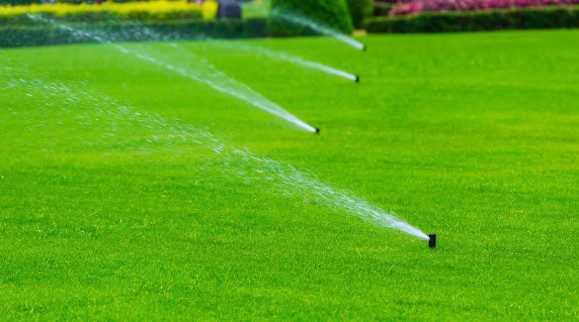
Consistent moisture is essential during germination. Keep the top inch of soil evenly moist until the grass is well established, which may require light watering several times each day depending on weather conditions.
(Submitted by Jim Wollney)
As seedlings mature, gradually reduce the frequency of watering while increasing the amount applied during each irrigation. This encourages deeper root growth and creates a more drought-tolerant lawn.
Because every lawn differs in soil type, sun exposure, and weather conditions, there is no single watering schedule that works for everyone. If you’re unsure, check the soil moisture with your finger or consult a local lawn care professional or Extension expert for guidance.
With proper preparation, quality seed, appropriate fertilization, and careful watering, September lawn renovation can transform a thin, tired lawn into a dense, healthy turf that will thrive well into the following growing season.
Architerra Inc
847-949-6576
Any content, resident submissions, guest columns, advertisements, and advertorials are not necessarily endorsed by or represent the views of Best Version Media LLC (BVM) or any municipality, homeowners associations, businesses, or organizations that this publication serves. BVM is not responsible for the reliability, suitability, or timeliness of any content submitted, inclusive of materials generated or composed through artificial intelligence (AI). All content submitted is done so at the sole discretion of the submitting party.