The Dangers of Extreme Heat for Older Adults
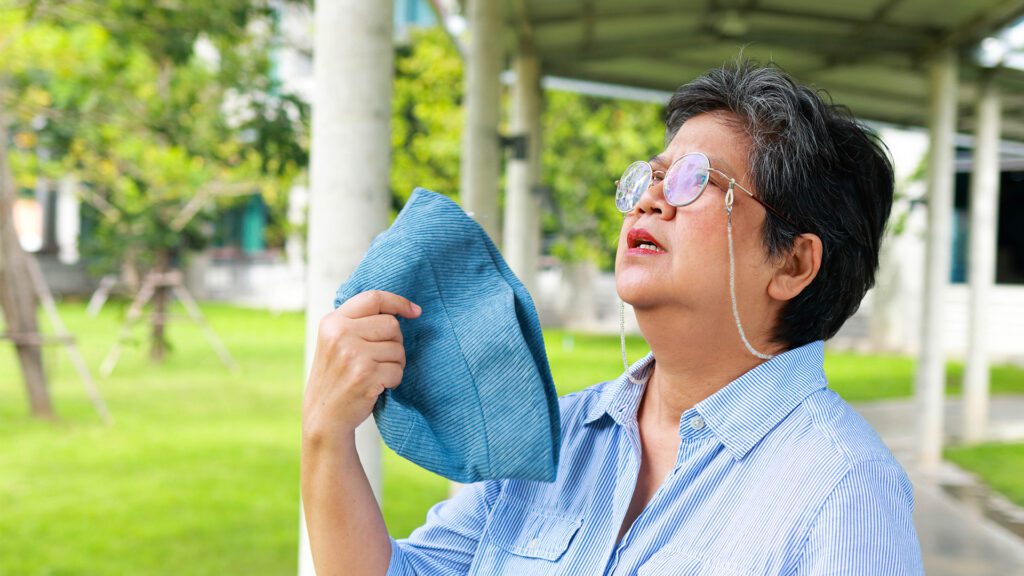
As temperatures rise in summer, it can create serious health concerns for older adults that can escalate quickly if ignored. Heat exhaustion is the most common warm-weather health risk that causes the body to overheat and become dehydrated. As summers grow hotter and heat waves become more persistent, medical experts suggest seniors and caregivers to be prepared and stay alert during the high temperatures this season.
What is Heat Exhaustion
Heat exhaustion results from a loss of excessive fluids and salts in the body through sweating. As people age, they become more vulnerable because the aging process reduces how efficiently the body regulates temperature. Ongoing health conditions such as diabetes, heart disease and respiratory disorders can further increase the risk.
Certain medications frequently prescribed to seniors including diuretics, blood pressure medications, and antihistamines can affect hydration levels or reduce the body’s cooling response. These factors can make even moderately hot days intolerable to some individuals.
Key Symptoms
Common warning signs include:
- Weakness or fatigue
- Rapid heartbeat
- Dizziness or lightheadedness
- Heavy sweating
- Muscle cramps
- Confusion or fainting
- Headaches
- Nausea
These symptoms can appear gradually and may be mistaken for other health issues. If symptoms worsen or body temperature rises significantly, heat exhaustion can progress to heat stroke, a life-threatening emergency requiring immediate medical attention.
Prevention Starts with Hydration
One of the most effective ways to prevent heat exhaustion is staying properly hydrated. Seniors should drink water regularly throughout the day, even if they do not feel thirsty or unless they are on a fluid restriction. The body’s sense of thirst often decreases with age which increases the likelihood of dehydration. It is also recommended to limit alcohol and caffeinated beverages during periods of extreme heat as both can contribute to fluid loss.
Smart Summer Habits for Seniors
Simple lifestyle adjustments can greatly reduce heat-related risks during the summer months.
Health experts recommend:
- Staying indoors during peak heat hours typically between 10 a.m. and 4 p.m.
- Using air conditioning or visiting cooling centers when temperatures rise
- Wearing lightweight, loose-fitting clothing in light colors
- Using hats and sunscreen outdoors
- Scheduling outdoor activities during early morning or evening hours
Family members and caregivers should also check on older loved ones regularly during heat advisories especially those who live alone.
A Safer Summer for Older Adults
Summer should be a time for relaxation and enjoyment not dealing with medical emergencies. By recognizing the warning signs of heat exhaustion and taking preventive steps early on, older adults can stay safe and enjoy the warmer months while protecting their health. Staying informed, planning ahead, and maintaining regular hydration can make all the difference when temperatures begin to rise.
Any content, resident submissions, guest columns, advertisements, and advertorials are not necessarily endorsed by or represent the views of Best Version Media LLC (BVM) or any municipality, homeowners associations, businesses, or organizations that this publication serves. BVM is not responsible for the reliability, suitability, or timeliness of any content submitted, inclusive of materials generated or composed through artificial intelligence (AI). All content submitted is done so at the sole discretion of the submitting party.