As the summer heat intensifies, one of the most critical parts of maintaining a healthy garden and a lush green lawn is proper watering. After years of caring for landscapes across Armonk and Greenwich, I can tell you that how you water matters just as much as how much you water. Efficient watering practices promote vibrant plant growth, conserve water, and minimize the stress our plants feel during the hottest weeks of the year. Here are the practices I recommend to help your landscape not just survive but thrive through the dog days of summer.
Time It Right
Water early in the morning, ideally between 5 and 9 a.m. The cooler air and soil at that hour mean far less water is lost to evaporation than during the heat of the afternoon. Morning watering also gives your plants time to absorb moisture before the sun climbs, so more water reaches the roots where it is needed most. As a bonus, foliage that gets a little wet in the morning has all day to dry out, which helps keep disease at bay.
Water Deeply, Not Often
One of the most common mistakes I see is shallow watering every single day. It feels productive, but it actually creates weak, vulnerable root systems that stay near the surface. Instead, water deeply and less frequently. A deep soak encourages plants to develop stronger, deeper roots that can reach moisture stored further down in the soil. Those deeper roots make your landscape far more resilient during dry spells. As a general rule, most established lawns and gardens need about one inch of water per week, whether from rainfall or irrigation.
Target the Soil, Not the Leaves
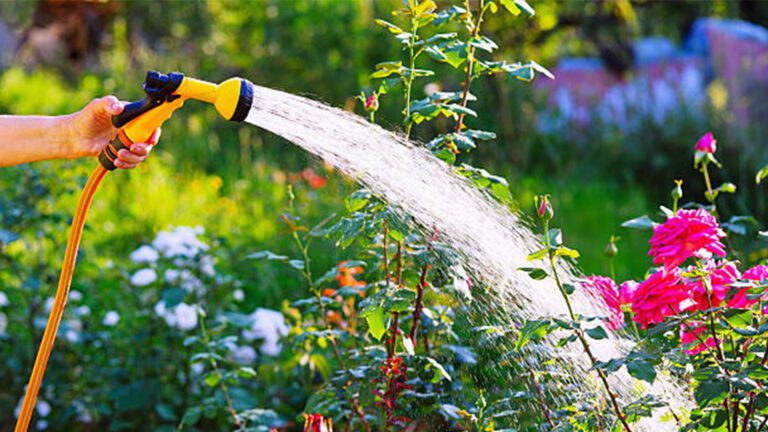
Direct your water at the base of your plants rather than overhead. Watering at the base delivers moisture straight to the root zone where it does the most good and cuts down on waste. Wetting the foliage, on the other hand, invites fungal diseases like powdery mildew, which spread easily in our humid Westchester and Fairfield County summers. Keep the water low and the leaves dry.
Layer on the Mulch
Apply a two to three inch layer of organic mulch, such as shredded bark or compost, around your trees, shrubs, and flower beds. Mulch is one of the simplest and most effective tools in a gardener’s arsenal. It locks in existing moisture, insulates the soil from extreme heat, and helps regulate soil temperature. It also suppresses weeds, which otherwise compete with your plants for the very water and nutrients you are working so hard to provide.
Know Your Soil
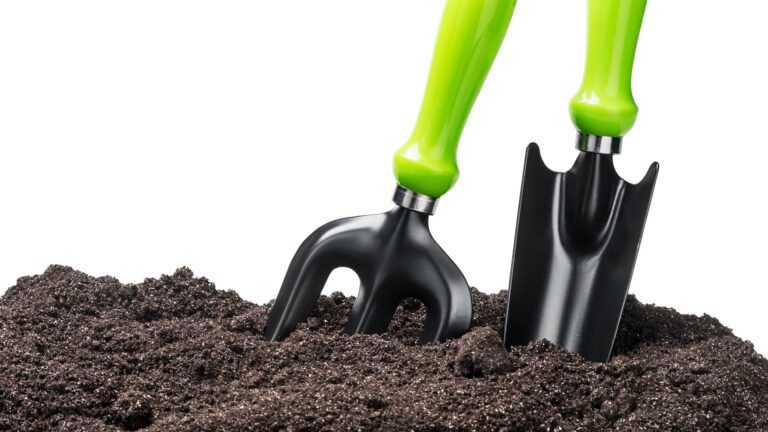
Not all soil behaves the same way, so adjust your watering to match what you have. Sandy soils drain quickly and generally need more frequent but shorter waterings. Dense clay soils hold water much longer but absorb it slowly, so they benefit from the “cycle and soak” method, watering in shorter bursts with pauses in between to prevent runoff. Loamy soils fall somewhere in the middle. If you are not sure what you have, a quick dig with a trowel will tell you a lot.
Consider Drip Irrigation or Soaker Hoses
For efficient, targeted watering, it is hard to beat drip irrigation systems and soaker hoses. Both deliver water directly to the soil around your plants, minimizing loss from evaporation and runoff and putting moisture precisely where it belongs. Many of these systems can be paired with timers, which ensures your landscape stays consistently watered even when you are away or busy, and takes the guesswork out of your routine.
Monitor Before You Water
Do not guess, measure. Check your soil moisture regularly during hot weather by using a simple moisture meter or by digging a few inches down with your fingers. If the soil is still adequately moist, hold off. A basic rain gauge is also invaluable for tracking exactly how much water your lawn and gardens are receiving during those scattered summer storms, so you are not doubling up unnecessarily.
Work Smarter With a Few Extra Habits
A handful of additional practices will stretch every drop further. Group plants with similar water needs together so you can water each area appropriately without over or underwatering. Collect rainwater in barrels when you can, since it is free of the chlorine and other additives found in tap water and is wonderful for plant health. And remember that watering needs shift throughout the season, so adjust your schedule as your plants grow and the weather changes. Where possible, consider planting native species adapted to our local climate, which require far less water once established.
The Bottom Line
Consistent monitoring and small adjustments are the real secret to a healthy summer landscape. Water deeply and early, protect your soil with mulch, keep an eye on moisture, and let your watering habits follow the weather. Do that, and you will keep a thriving garden oasis even during the hottest stretch of the year. If you would like a watering plan tailored to your specific yard, soil, and plantings, the team at The Grounds Guys of Armonk and Greenwich is always glad to help.
Any content, resident submissions, guest columns, advertisements, and advertorials are not necessarily endorsed by or represent the views of Best Version Media LLC (BVM) or any municipality, homeowners associations, businesses, or organizations that this publication serves. BVM is not responsible for the reliability, suitability, or timeliness of any content submitted, inclusive of materials generated or composed through artificial intelligence (AI). All content submitted is done so at the sole discretion of the submitting party.