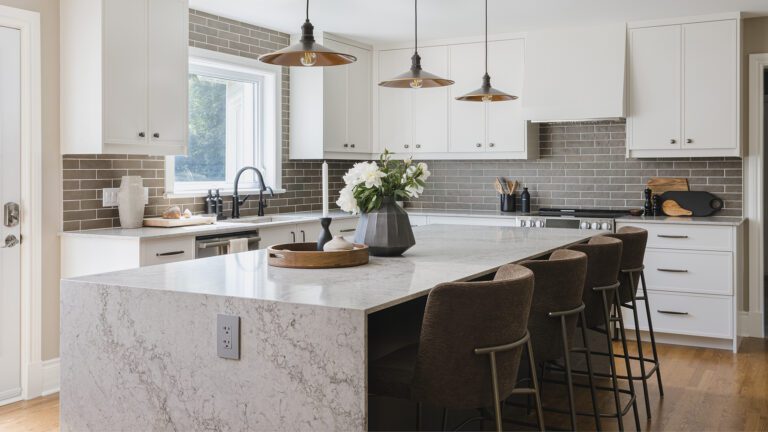

One of the things that makes Chapel Hill such a desirable place to live is how well many of its homes have been cared for over the years. Built primarily in the 1980s and 1990s, these homes have stood the test of time thanks not only to quality construction, but also to homeowners who have consistently invested in their upkeep. While major renovations often receive the most attention, it’s usually the smaller maintenance projects completed year after year that do the most to protect a home’s long-term value.
Homeownership is much like maintaining a vehicle. Routine servicing may not be exciting, but it helps prevent much larger and more expensive problems down the road. The same principle applies to your home. A clogged eavestrough can eventually lead to foundation issues. Worn exterior caulking may allow moisture to enter where it shouldn’t. A small roof repair completed early can prevent significant water damage later. Addressing these items before they become major repairs often saves both money and stress.
One of the most important systems homeowners should pay attention to is their windows. While replacing windows can be a significant investment, waiting until they have completely failed often creates a much larger hurdle. Older, drafty or fogged windows reduce energy efficiency and comfort, but they can also become a concern when it comes time to sell. Buyers recognize that window replacement is a costly project and may factor that expense into their purchasing decision. By replacing aging windows before they reach the end of their lifespan, homeowners not only improve their everyday living experience but also preserve the long-term appeal of their property.
Late summer and early fall are excellent times to inspect the home’s exterior before colder weather arrives. Cleaning eavestroughs, checking the grading around your foundation, inspecting roofing and flashing, sealing windows and doors, servicing your furnace before heating season, and repairing small cracks in driveways or walkways are all examples of preventative maintenance that help extend the life of your home. Homes located near wooded areas should also be inspected for potential wildlife entry points, such as damaged soffits, roof vents, chimney caps, or gaps around the roofline. Addressing these openings before the colder months can help prevent unwanted visitors from finding their way inside. These projects may not dramatically change the way a home looks, but they play an important role in protecting it for years to come.
It’s also worth remembering that not every dollar spent on a home translates into added value. While quality improvements that enhance functionality or replace aging components often appeal to a wide range of buyers, highly personalized renovations may not. Custom finishes, niche design choices, or features tailored to one family’s specific preferences can be expensive to install but may offer little additional value when it comes time to sell. Investing in the home’s core systems and making timeless, functional improvements generally provides longer-lasting benefits than following short-lived trends.
Whether you’re planning to stay in your home for another five years or another twenty, consistent maintenance remains one of the smartest investments you can make. It protects your property’s condition, helps avoid costly surprises, and preserves the pride of ownership that has long defined neighbourhoods like Chapel Hill.
In the end, it’s often not the biggest renovations that safeguard a home’s future, but the small, thoughtful decisions made consistently over time.
Any content, resident submissions, guest columns, advertisements, and advertorials are not necessarily endorsed by or represent the views of Best Version Media LLC (BVM) or any municipality, homeowners associations, businesses, or organizations that this publication serves. BVM is not responsible for the reliability, suitability, or timeliness of any content submitted, inclusive of materials generated or composed through artificial intelligence (AI). All content submitted is done so at the sole discretion of the submitting party.