For many teens, removing wisdom teeth is a normal part of growing up. While some erupt without causing problems, others become impacted or grow at an angle potentially leading to pain, infection, or damage to neighboring teeth. That is why early evaluation is an important part of protecting your child’s long-term oral health.
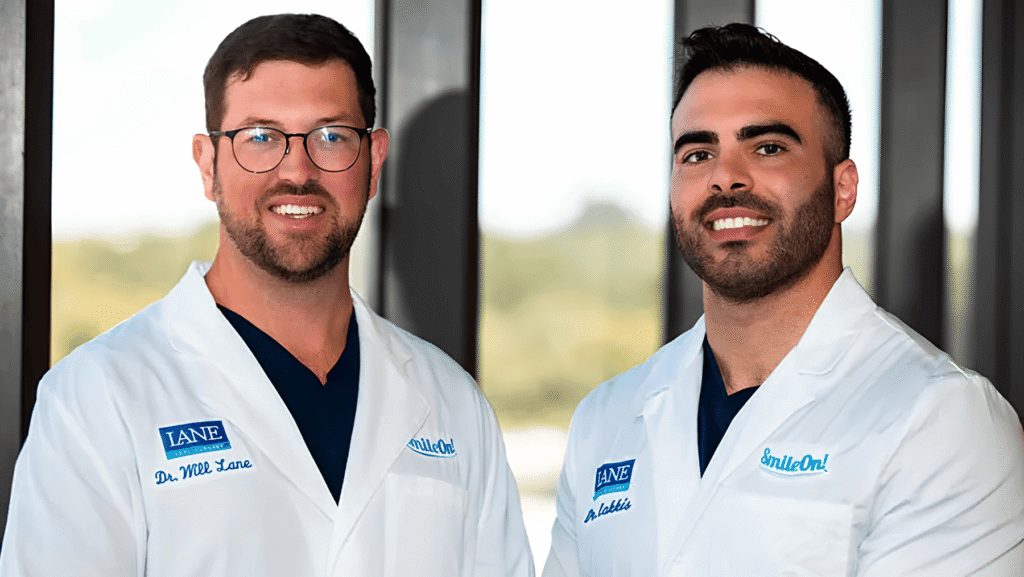
“Wisdom teeth are the third molars, sometimes referred to as the 18-year-old molars, and they are typically the last teeth to erupt,” said Dr. Ibrahim Lakkis of Lane Oral Surgery. “Because they develop at the very back of the mouth where space may be limited they are also among the teeth most likely to become impacted.”
Signs that wisdom teeth may be causing a problem can include pain or swelling in the gums, a sensation of pressure, or an unpleasant taste near the back of the mouth. However, wisdom teeth can sometimes create problems before noticeable symptoms appear making professional evaluation especially important.
If your family dentist recommends wisdom tooth removal, choosing an experienced oral surgeon can make all the difference. Oral and maxillofacial surgeons receive years of advanced surgical and anesthesia training beyond dental school, allowing them to safely perform everything from routine wisdom tooth removals to more complex cases.
“Wisdom tooth removal represents approximately one-third to one-half of many oral surgeons’ practices, so it is a procedure performed almost daily,” said Dr. Will Lane. “Families benefit from having that experience and expertise working in their favor.”
Why Early Evaluation Matters
Many dentists recommend evaluating wisdom teeth during the teenage years because younger patients often heal more quickly. Removing wisdom teeth before problems develop may also reduce the risk of infection, damage to nearby teeth, and other complications.
“As you get older, wisdom teeth can become more difficult to remove even if they have erupted,” said Dr. Lane. “When the procedure is completed around age 15, 16, or 17, the bone is generally softer, and the roots of the wisdom teeth may not yet be fully developed. At that stage, the surgery can be very precise and efficient.”
According to Dr. Lane, the jawbone becomes denser and more calcified with age, while the roots of the wisdom teeth continue to develop. Both changes can make removal and recovery more challenging later in life.
“If I could make one recommendation to families, it would be to address wisdom teeth while patients are young,” said Dr. Lane. “Taking care of them early can help prevent someone from having to deal with a more difficult procedure when they are 40, 50, 60, or even 80.”
Wisdom teeth are also located in an area that can be difficult to brush and floss effectively. This may allow food and bacteria to collect around them, potentially causing decay, gum inflammation, or damage to the molars directly in front of them.
“One concern is pericoronitis, which is inflammation or infection of the gum tissue surrounding a partially erupted wisdom tooth,” said Dr. Lakkis. “In some cases, an infection can become serious and spread beyond the area of the tooth which is another reason patients should not ignore pain, swelling, or other warning signs.”
What Families Can Expect
At Lane Oral Surgery, the process begins with a consultation. The team may obtain three-dimensional imaging to evaluate the position of the wisdom teeth, their roots, the surrounding bone, and nearby anatomical structures. This information allows the surgeon to develop a personalized surgical plan based on each patient’s needs.
“A lot of patients are concerned about discomfort during surgery, but there is no need to feel embarrassed or anxious about those concerns,” said Dr. Lakkis. “We offer sedation options to help patients feel comfortable and at ease throughout the procedure. They can feel confident knowing they are in experienced hands.”
Not every teen needs to have their wisdom teeth removed, but every teen should have them evaluated. The timing of treatment depends on several factors including the position of the teeth, available space in the jaw, symptoms, oral hygiene, and the likelihood of future complications.
“The most important message is not to delay the evaluation,” said Dr. Lakkis. “If you are 16, 17, or 18 years old and have not had your wisdom teeth examined, please schedule a consultation so we can obtain the necessary imaging and determine whether removal is recommended and when it should be completed.”
At Lane Oral Surgery, the team is committed to providing expert care with a focus on safety, comfort, clear communication, and a positive patient experience from consultation through recovery.
To schedule a consultation, please visit laneoralsurgery.com to request an appointment online, or contact the Lane Oral Surgery office most convenient for your family:
Plymouth- 30 Resnik Road, Plymouth | New patients: (508) 273-2213
Sandwich- 443 Route 130, Sandwich | New patients: (508) 591-8605
Bourne- 114 Waterhouse Road, Bourne | All patients: (508) 759-4495
Any content, resident submissions, guest columns, advertisements, and advertorials are not necessarily endorsed by or represent the views of Best Version Media LLC (BVM) or any municipality, homeowners associations, businesses, or organizations that this publication serves. BVM is not responsible for the reliability, suitability, or timeliness of any content submitted, inclusive of materials generated or composed through artificial intelligence (AI). All content submitted is done so at the sole discretion of the submitting party.